Seeing your baby hit five months brings a whole new set of milestones to watch for. Every week, you might notice something new. Maybe it’s an adorable sound, a curious stare, or the way those little hands reach for everything in sight. The changes keep coming fast, so I put together this five-month baby milestones checklist covering physical, sensory, social, and language advances. I’m also sharing what’s helped me encourage these discoveries, plus answers to questions that always seem to pop up at this age.
Physical Milestones at 5 Months
Five months is when babies often start feeling a whole lot stronger and more coordinated. Some major physical changes that started in month four keep gaining momentum, making playtime even more fun. Here’s what I usually notice (and get excited about) around this age:
- Rolling Over – Babies often master rolling from tummy to back, and some might flip from back to tummy. Some babies have already mastered this. Diaper changes might turn into a mini wrestle! Make sure you have a strap to use during diaper changes as babies can roll off a changing table, even if you only turn your back for a second. This happened to me!
- Pushing Up – During tummy time, many babies push up on their hands and even try straightening their arms. You’ll see their upper bodies lifting higher than before.
- Head Control – Wobbly heads become a thing of the past. Strong neck muscles make sitting with support or bouncing in your lap pretty enjoyable for everyone involved.
- Hand Control – Grabbing toys, moving things from hand to hand, and reaching out for dangling objects all get smoother.
- Sitting with Support – You might find that your baby can hold themselves up with a little help, either propped on a pillow or sitting in your lap.
Providing plenty of safe floor time is really important around this stage. Tummy time, rolling on different surfaces, or playing on a mat all give those little muscles practice and help prep for bigger moves, like crawling. As your baby grows, these activities set a solid foundation for mobility and independence, and encourage the development of confidence in movement.
Developmental Milestones Checklist: What to Expect
Babies are all about discovery right now. Milestones at five months cover a wide range of skills: sensory, cognitive, social, and language. Here are some main checkboxes I look for (and celebrate):
- Responding to Sounds – Most 5-month-olds turn their heads to familiar voices, music, or sudden noises. This is a big step for hearing and attention.
- Tracking Objects – Moving toys back and forth in front of their eyes keeps babies fascinated. Their eyes follow much more smoothly, without crossing or jerky movements.
- Exploring with Hands and Mouth – Almost everything ends up in their mouths. This “mouthing” stage isn’t just about teething; it’s how babies get to know the world.
- Making Sounds and Laughs – From squeals and giggles to a range of babbles, babies figure out their voices are great for getting attention and having fun.
- Showing Emotions – Expect lots of big smiles, random giggles, and maybe some pretend coughing or sneezing for laughs. Your reactions are their favorite feedback.
- Recognizing People – Babies may light up for mom or dad and might be shy or reserved with strangers. Separation anxiety might begin, but it’s a little early for most.
Babies at five months are watching, listening, and practicing constantly. The little things you do every day, such as responding to their sounds or playing simple games, go a long way in supporting brain and social growth.
Encouraging Growth: Activities and Tips for 5 Month Olds
At this age, babies need stimulation but not over-stimulation. Simple daily activities keep things interesting for both of you. Here are the things I’ve found really spark growth:
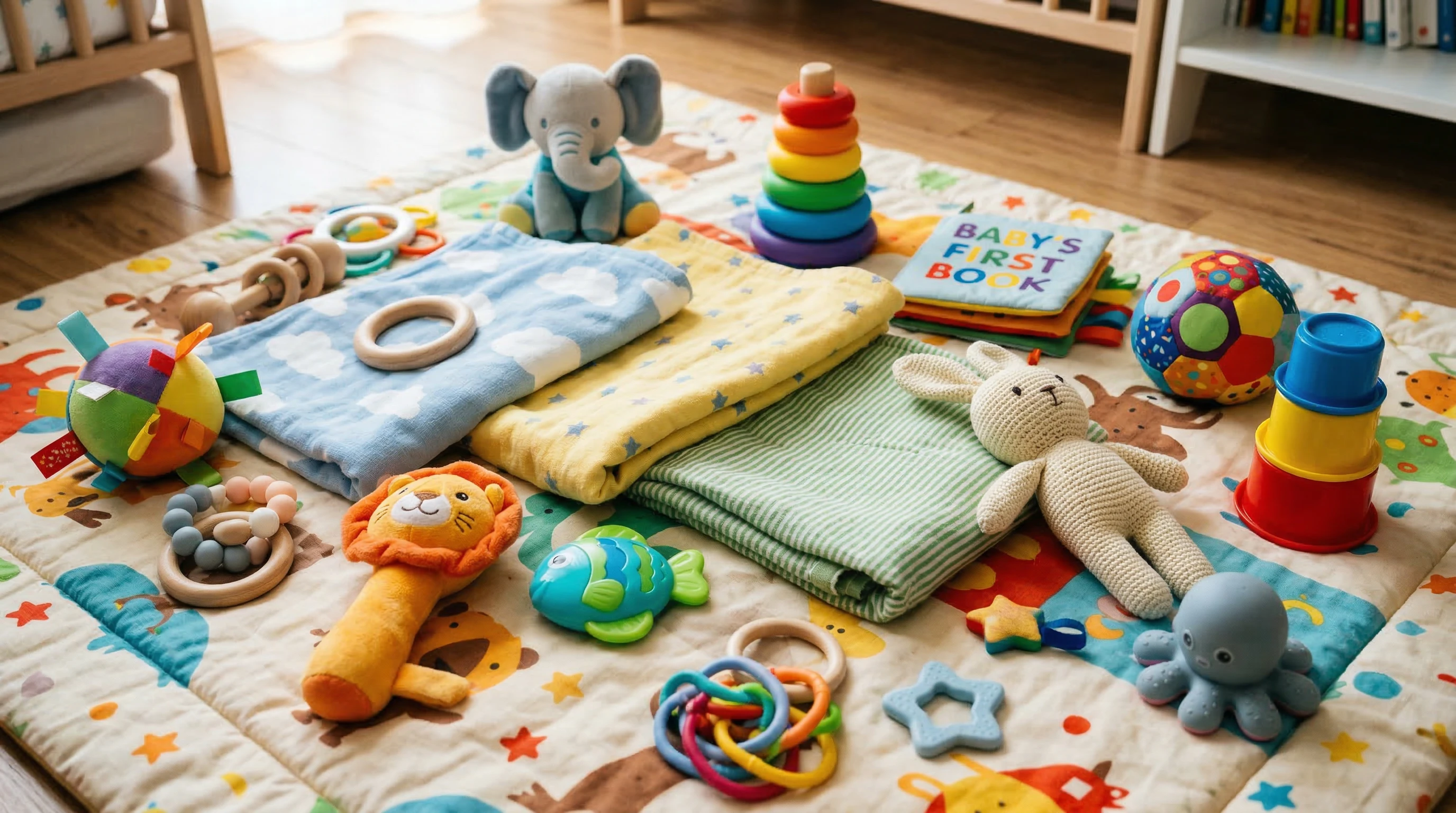
- Tummy Time Variety – Changing up the scenery during tummy time makes a big difference. Try toys, textured blankets, or gently rolling a ball nearby for them to watch. You can even encourage them to roll over.
- Mirrors – Babies are fascinated by faces, including their own. Placing a safe, unbreakable mirror on the playmat is always worth checking out.
- Gentle Movement – Slow “airplane rides,” bouncy knees, and swaying to music give both your arms and your baby’s senses a workout. Your arms will get tired before they do!
- Talking and Singing – Narrating what you’re doing or singing favorite songs supports language and shows babies how conversation works, even if their side is all goo-goos right now.
- Reading Together – Even if it feels early, reading board books helps build attention and listening skills. The dramatic voices are all for your baby’s benefit!
Try switching up these activities throughout the day. Remember, a change of scene—even just moving to another room or outside—makes a world of difference in keeping your baby engaged and happy.
Common Concerns and How to Address Them
Every baby develops at their own pace, but I know how common it is to worry if you’re on track. Here’s what usually comes up at month five and what’s worked for me or women I know:
- “My baby isn’t rolling yet.” – Totally normal. Some babies skip right to sitting or crawling. Keep offering tummy time and try placing toys just out of reach for motivation.
- “Should my baby be sleeping longer at night?” – Sleep at this age can be unpredictable. Try to stick to a bedtime routine, but know that waking during the night is pretty common.
- “Is it safe to use a jumper or activity center?” – Short sessions are usually fine with good head control, but too much time can affect muscle growth. Keep floor play the main activity.
- “When can I introduce solid foods?” – Most pediatricians suggest waiting until around six months, so there’s no rush at five months unless advised otherwise.
Spotting Red Flags
If your baby isn’t starting to make any sounds, shows no reaction to loud noises, seems very stiff or floppy, or has trouble holding up their head by this age, it’s a good idea to check in with a pediatrician. Sometimes, extra help or reassurance goes a long way. Early attention can help ease worries or spot anything that needs follow-up.
Everyday Challenges at Five Months
New skills bring new challenges, and life with a five month old keeps you on your toes. These are things I hear about most often:
- Constant Mouthing – Everything within reach gets chewed. Make sure toys are cleaned often and nothing small is left nearby.
- Drool Everywhere – Drooling tends to pick up thanks to teething, so extra bibs are super useful.
- Sleep Swings – Some babies hit a sleep regression or start waking more. Keeping the bedtime routine predictable often helps, even if it takes time for things to settle. Swings are good during the day, but if used at night, stay close and move the baby to a crib when they fall asleep. I know! Easier said than done.
- Boredom Fussiness – As babies crave stimulation, sometimes you just need a change of scenery, a walk outside, or a new song to keep things rolling.
Supporting Motor Skills
Hand-eye coordination and fine motor skills are on the rise, even if it doesn’t always look graceful. Toys that are easy to grab, lightweight shakers, and soft textured balls keep babies busy and help those movements become smoother. Switch up toys every few days to keep interest high and support ongoing growth.
Frequently Asked Questions About 5 Month Baby Milestones
These are some of the questions I hear a lot at this stage. Having answers handy makes finding your way through this age a bit smoother.
Question: Is it normal if my five-month-old is still waking up to feed at night?
Answer: Yes, quite normal. Some babies will continue to need night feeds for a few more months. Look for signs that your baby is satisfied after eating, and check with your pediatrician if you’re unsure.
Question: What toys are best for encouraging growth in my five-month-old?
Answer: Soft rattles, crinkly fabric books, mirrors, and play mats with dangling toys are all great choices. Toys should be lightweight, safe to chew on, and easy to grip.
Question: How long should tummy time last?
Answer: Aim for several short sessions each day, totaling about 15-30 minutes if your baby enjoys it. Switching up positions helps keep things interesting.
Question: My baby spits up often—is this normal?
Answer: Spit-up is really common at five months. If your baby is gaining weight and seems happy after feeds, there’s usually nothing to worry about. Always talk with your pediatrician if you have concerns about weight gain or if the spit-up is forceful and frequent.
Question: Should my five-month-old sit without help?
Answer: Many babies still need support to sit at this age. Practice by letting them sit on your lap or propped with pillows, but don’t stress if they tip over. Independent sitting often pops up closer to six months or later.
What Comes Next After Five Months?
One thing that stands out about reaching this age is how quickly everything can change. Over the next few weeks, you might notice first attempts at crawling, even more babbling and sounds, and those first tastes of food when your baby is ready. It helps to keep celebrating each new milestone as it happens, even if it’s not exactly on a schedule. Enjoy tracking down each small achievement together; there are plenty more on the way!