
Reaching the 8th month of pregnancy is a hugh milestone. There’s so much happening; your baby grows rapidly during this time, and your symptoms can start feeling more intense compared to earlier phases. If you’re looking for guidance on what to expect, development of your baby, or tips on staying comfortable, I’ve got practical information and personal experiences to share.
What’s Happening with Your Baby During the 8th Month
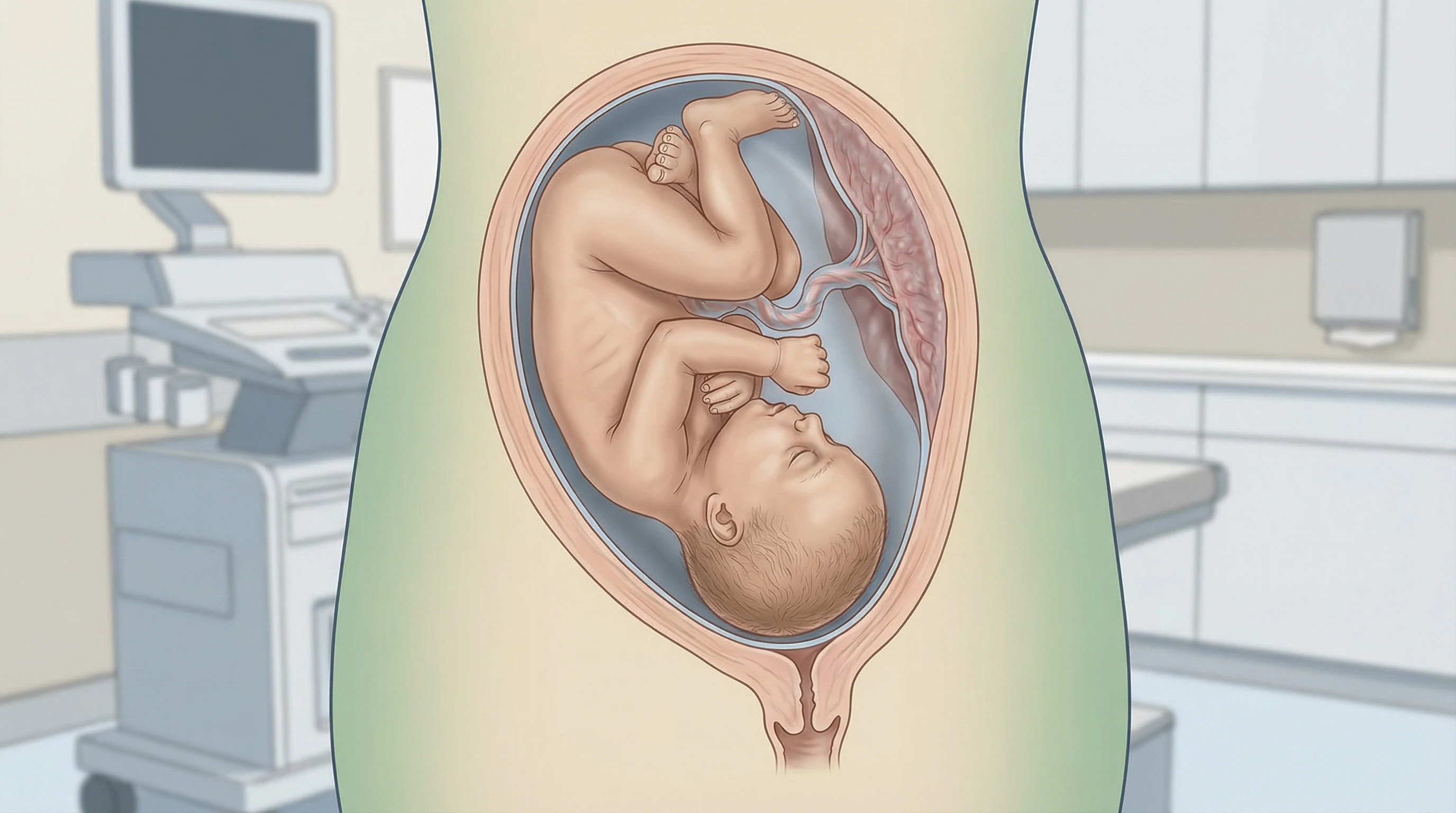
During the 8th month, your baby’s development shifts into high gear. By week 32, most babies are around 16–18 inches long and may weigh close to 4–5 pounds. The baby keeps gaining weight quickly at this stage, plumping up and growing layers of fat that help regulate body temperature after birth. Kicking, jabbing, and stretching movements become more robust, sometimes even visible under the skin. There might be a small intrusion where your little one is kicking or stretching. Our son would kick so hard, I could actually grab his heel through my skin. He would fight to get me to let go!
The nervous system keeps maturing, and the brain develops more complex structures. The lungs are getting closer to maturity, though most babies born before week 37 may still need a little help breathing. Sounds, light, and even strong flavors in foods you eat can be sensed by the baby now, which is kind of wild to think about.
At this point, most babies settle into a head-down position, prepping for delivery. If your baby is still breech, your healthcare provider will keep an eye on it during your check-ups.
The eye-catching part is, by month 8, your baby looks much like a newborn, just smaller and a bit leaner. Skin is smoother, bones are getting stronger (except for the skull, which needs to stay soft for delivery), and fingernails, toenails, and even hair keep growing. It’s an intense growth spurt all around.
Common Symptoms in the 8th Month, And What Helps
This part of pregnancy comes with some new, sometimes tricky symptoms. Personally, I remember feeling extra tired and surprised at how quickly the everyday aches changed. I felt pressure as the baby got bigger and the space in the uterus got smaller. Here’s what’s popular and solutions that are worth trying out:
- Shortness of breath: The growing uterus can press up against your diaphragm. Sitting up straight, during the day, or propping yourself with pillows at night can help your lungs expand more comfortably. For me, I was constantly sitting up straight, as it seemed to be the best way to alleviate breathing difficulty.
- Frequent urination: The baby is putting pressure on your bladder. Staying hydrated is super important, but you might want to limit fluids close to bedtime. I really had to watch what and when I drank. Fluids ran through me quickly, and if I was out during the day or working, I always had to be aware of the location of restrooms!
- Heartburn and indigestion: Small, frequent meals, skipping spicy foods in the evening, and using a wedge pillow for sleep often makes a difference.
- Swelling in feet and ankles: Elevating your legs, avoiding standing for too long, and wearing comfortable shoes can help lower swelling. Compression socks work well too.
- Difficult sleep: Anxiety, discomfort, and frequent bathroom trips can really interrupt rest. A pregnancy pillow, calming routines, and keeping screens off before bed helped me wind down.
- Back pain: Stretching, using heat packs, and getting a professional pre-natal massage can be pretty soothing.
- Varicose veins or hemorrhoids: Gentle movement every day, drinking plenty of water, and high fiber snacks are all good ways to prevent these from getting worse.
If something feels off or extreme, your healthcare provider is the best person to check in with. I always found having a list of questions ready for appointments helped me feel more in control. If a question popped up between visits, I tried to write it down immediately
Vitamins and Nutrients for Month 8
Your nutrition keeps playing a big part in your energy and your baby’s development. These nutrients are especially important in the last trimester:
- Iron: Needed for making extra blood for you and the baby. Lean meats, beans, leafy greens, or a doctor-approved supplement can keep iron levels steady. Low iron can leave you feeling drained and tired.
- Calcium: Helps with baby’s bones, teeth, and heart. Dairy, tofu, fortified plant milks, and leafy greens are all good options.
- Vitamin D: Supports calcium absorption and baby’s bone growth. 20 to 30 minutes of sitting in the sun and foods like eggs and fortified products work here.
- Folic acid: Still important for neural development, so stick with your pre-natal vitamin.
- Omega3 fatty acids: Help with baby’s brain development. Foods like walnuts, chia seeds, or a pregnancy safe fish oil supplement are helpful (as always, double check with your OB).
If you’re dealing with nausea or certain foods that don’t sit well anymore, try to vary your meals within your comfort zone so you’re not missing anything vital. I found prepping snacks ahead kept me from skipping meals when I was too tired to cook. Paying attention to what foods feel best will also help as your body gets ready for labor.
Foods to Enjoy and Foods to Avoid
Eating well can get trickier as heartburn and a crowded stomach become part of daily life. Here’s a quick rundown on what to reach for and what to skip:
- Foods that give you energy: Oatmeal, whole grain toast, eggs, lean proteins, yogurt, fresh fruits, and veggies are all easy to mix and match for quick meals.
- Hydrating options: Fruits with a high water content (like watermelon), herbal teas, and plain water keep you hydrated and can help beat swelling.
- Foods to avoid: Unpasteurized cheeses, deli meats, undercooked eggs, raw seafood, and high mercury fish. These can hike up the risk of foodborne illness or heavy metal exposure. Watch out for super salty snacks too; they can make swelling worse.
- Reduce caffeine: It’s usually fine in small amounts, but always good to double check with your provider about a safe dose.
Planning small snacks throughout the day really helped me combat low energy and queasiness. I also kept nuts in my bag for a quick protein boost. If you’re hungry late at night, eating plain crackers or a banana can prevent waking up later.
Exercise, Sex, and Safe Movements in Month 8
Exercise can feel like a chore at this point, but some gentle movement is helpful for circulation, sleep, and mental health. Walking, pre-natal yoga, or swimming are usually safe, but definitely go with whatever feels comfortable for you. Always check with your doctor before starting or continuing anything more intense. If you use exercise balls or bands, make sure you use proper support and don’t overdo it. Staying mobile can ease those late pregnancy aches and keep energy up.
Balance is trickier and your joints are looser, so take it slow and use support bars and rails when needed. Skip high impact moves and activities with a big risk of falling. Staying active can help your body bounce back more easily after birth and may even shorten recovery times.
As for sex, it’s typically safe if you have a low risk pregnancy. Hormonal changes and feeling ‘off’ or uncomfortable are totally normal if your sex drive changes. If you have placenta previa, signs of pre-term labor, or any other complications, your doctor might recommend holding off. Communication with your partner really makes a difference at this stage; I found being open about my comfort levels helped cut down on awkwardness and actually brought us closer.Don’t hesitate to ask your doctor if you have concerns.
Possible Health Concerns in the 8th Month
The final stretch comes with a few things that need watching. Some minor discomforts are common, but certain problems need quick medical attention:
- Pre-term labor: Watch for regular contractions, back pain, or leaking fluid. If anything feels weird or you notice reduced baby movements, call your doctor right away.
- Gestational diabetes: If you’ve been diagnosed, sticking to your meal plan and regular monitoring is really important. Several moms in my group shared ideas for yummy low sugar recipes that could benefit us al
- High blood pressure/preeclampsia: Swelling that’s sudden, bad headaches, vision changes, or pain under your ribs should be checked out without waiting. Preeclampsia can sneak up, even if earlier checks were normal.
Keep making your regular appointments, and don’t hesitate to call your provider if anything feels odd. The 8th month can be unpredictable, and it’s always safer to check than to wait it out. Knowing the signs to watch for gives peace of mind.
Preparing for Birth – Body, Mind, and Environment
This is the month when getting ready for labor feels real and a little scary, especially if this is your first baby. Here’s how to start prepping in a way that keeps stress in check:
- Pack your hospital bag: A few weeks before your due date is a good time. Include comfortable clothes, slippers, snacks, phone chargers, and any documents you’ll need. Our baby came 2 weeks early, and I was unprepared because I did not do this!
- Create a birth plan (if you want one): It can outline preferences but stay flexible; birth rarely goes 100% as planned. I found discussing options with my provider helped me feel prepared, not boxed in.
- Practice relaxation: Breathing exercises, meditation apps, and gentle pre-natal massage can calm your nerves and are worth practicing ahead so they’re easy to use during labor. If you are taking birthing classes, different techniques will help you when the time comes. Practice breathing techniques after each class so you will be prepared during labor.
- Discuss support roles: Decide who you want with you, who should be “on call,” and what jobs (like childcare or pet care) need covering when labor starts.
- Decorating and arranging the nursery: This doesn’t need to be Pinterest perfect, but having a cozy spot for the baby, basics like diapers, wipes, a safe bassinet or crib, and a few changes of clothes makes coming home with your newborn a lot smoother. I loved washing those tiny gowns and sleepers and preparing the bassinet!
- Stock up on home essentials: Fill the pantry, prep some freezer meals, and gather self care supplies. These steps made things way less frantic for me once the baby arrived.
Don’t underestimate the mental side. This time can be exciting, exhausting, and nervewracking all at once. Touching base with friends and family who’ve been there, joining an online parents group, or talking with your partner about any worries can be really grounding. Try journaling your thoughts or concerns too; it helps process the ups and downs. Planning small checklists can make everything feel manageable rather than overwhelming.
Frequently Asked Questions: 8th Month of Pregnancy
I get lots of curious questions from friends or readers in the last few weeks before birth. Here are a few that pop up most:
Question: Is it normal to feel less movement this month?
Answer: Movements often feel different because the baby is running out of space, but you should still notice some activity. Tracking kicks daily helps. Our baby pretty much had his own schedule by this time, so I could count on his movements. Always call your provider if you’re worried or there’s a sudden drop in movement. It is best to call just to make sure your baby is healthy.
Question: What signs show I’m going into labor early?
Answer: Regular contractions, excruciating lower back pain, leaking fluid, and pelvic pressure could point to pre-term labor. If you’re unsure, err on the side of caution and check in with your doctor.
Question: Can I travel in the 8th month?
Answer: Many airlines won’t let you fly after 36 weeks. If you’re traveling before then, talk to your provider and check rules with your airline. Road trips are usually fine for short distances, but get up and move regularly to keep blood flowing. Take breaks often and bring snacks and water to stay comfortable.
Question: How do I know if the baby is head down?
Answer: Your regular appointments include belly checks, and sometimes an ultrasound will confirm baby’s position. Some doctors can feel the shape through your belly as the baby settles. Your doctor may even do an internal exam to check. If you’re unsure, ask at your next appointment for reassurance.
Final Words
Making it to the 8th month is quite an achievement and brings a rush of excitement, fear of the unknown and questions. Every pregnancy looks a little different, but staying informed, asking questions, and listening to your body helps keep you and your baby on the right track. Keep snacks handy, take naps when you can, and don’t be shy about reaching out for support. You’re nearly there, and a little prep now smooths the path for less worry and being prepared when the big day arrives!