
Getting close to the ninth month of pregnancy means you’re almost at the finish line. It’s a time full of excitement, nerves, daily changes, and a little bit of uncertainty. I’ve put together this guide based on facts, hands-on experience, and advice from medical pros, so you’ll feel more ready and confident as you close in on your baby’s arrival.
What’s Happening with Baby at Nine Months?
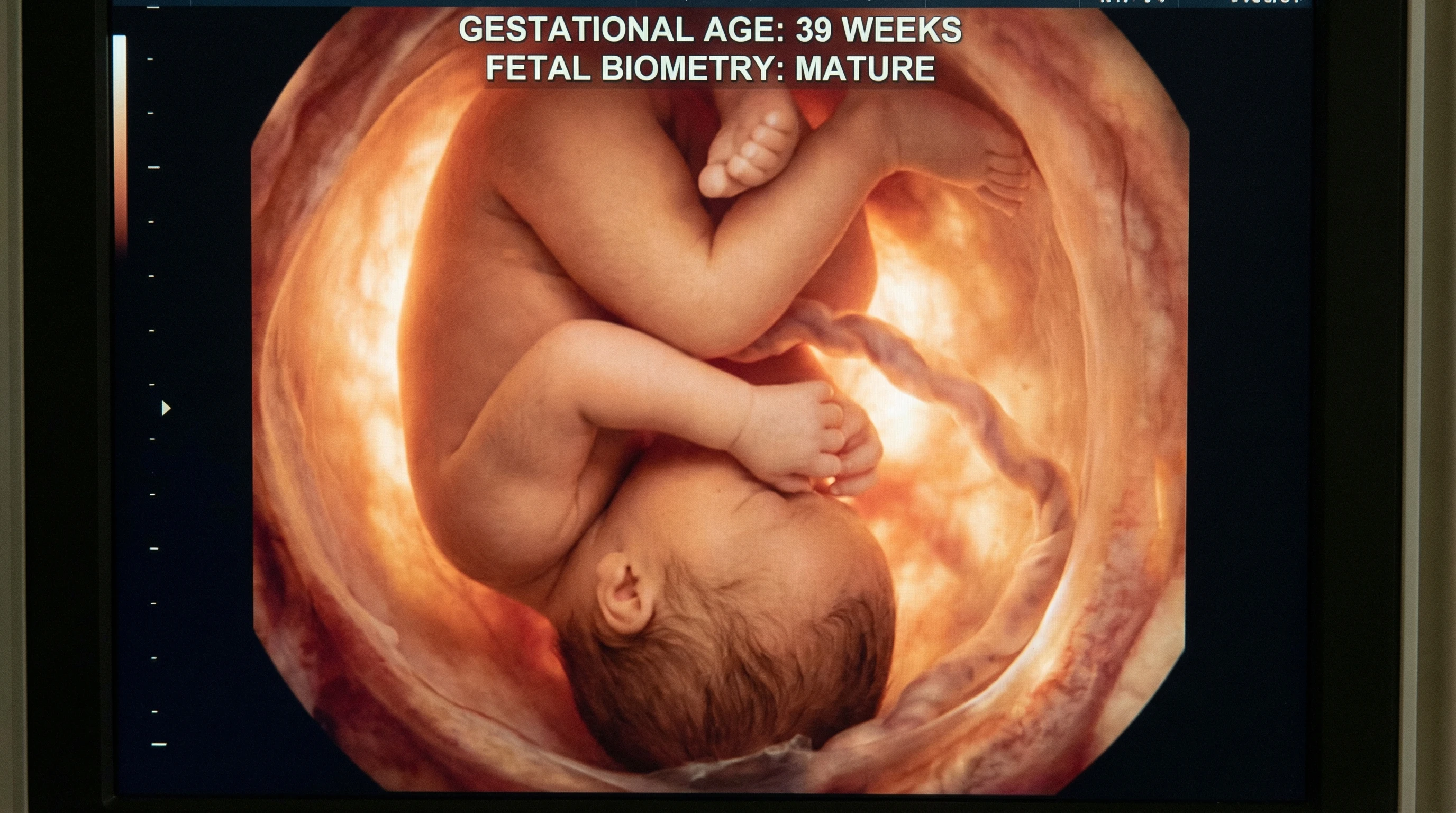
By now, your baby has grown in leaps and bounds and takes up most of the space in your uterus. At this stage, babies typically weigh about 6 to 9 pounds (2.7–4 kg) and measure 19–21 inches (48–53 cm) from head to toe. Some babies are a little smaller or bigger, which is totally normal. Remember, every pregnancy is unique. Here are a few final changes happening with your baby this month:
- Complete Organ Development: Most organs, especially the lungs and brain, are now mature. The lungs keep maturing right up to birth, but they’re basically ready to function on their own.
- Reflexes Get Stronger: Sucking, swallowing, grasping, and blinking are now pretty well coordinated. Your baby’s practicing all the movements he/she will use for feeding and connecting after birth.
- Baby’s Position: Most babies turn headdown in the womb, getting ready for delivery. Medical folks call this the “vertex presentation.” If your baby is feet down or “breech,” your doctor might discuss your options for turning the baby or planning a C-section.
- Fat Layers Build Up: At nine months, your baby’s putting on fat, making his/her skin less wrinkly and prepping to keep warm outside the womb.
Your baby is also developing more defined sleep and wake cycles, often resting when you’re active and becoming more animated as you settle down. You might notice patterns in their movements, and that can be reassuring. Some babies hiccup more at this point, which can feel like rhythmic little taps. Also, fingernails and toenails may reach the tips of their fingers and toes. A fine layer of vernix caseosa (a protective, creamy coating) is still on their skin, but much of the earlier hair (lanugo) is gone by now.
Changes Happening to Your Body
Your body has really stepped up to get ready for labor and delivery. I know from my own experience and from chatting with friends, these changes can catch you off guard, so here’s what most people notice:
- Heavier Belly: The baby is now sitting lower (called “lightening” or “baby dropping”). This switch can relieve some heartburn but add more pressure to your bladder, so you may notice more frequent trips to the bathroom.
- Stronger Braxton Hicks Contractions: These “practice” contractions can get pretty noticeable. They’re usually irregular and not as painful as true labor contractions. Some women worry about telling them apart from real contractions, so keep track of timing, intensity, and if they go away with movement or hydration.
- Pelvic Pressure and Back Pain: You may feel more aches as your ligaments loosen up for birth. Warm baths and gentle stretching make a difference. Using pillows for support, especially at night, helps your hips and back.
- Breast Changes: Your breasts could start to leak colostrum, the first milk your baby will drink. Colostrum can appear clear, yellowish, or a little sticky, and is super rich in nutrients and antibodies for your newborn.
It’s also really common to feel extra tired and emotional right now. Hormone shifts, sleep disruptions, and anticipation can all make mood swings and fatigue more intense in these final weeks. Swollen feet and ankles, leg cramps, and a bit of shortness of breath are also frequent. Remember to take breaks, ask for help, and rest when you can. Hopefully, you have a very supportive partner that you can confide in. If you don’t have a partner, talk to your best friend, sister or mom.
Nourishing Your Body; What to Eat and Avoid
Your baby relies on your nutrition in the home stretch, so sticking to balanced meals helps. Here are some general pointers that doctors and dietitians regularly stand by:
- Focus on Protein: Lean meats, eggs, beans, and tofu support tissue growth for you and baby.
- Boost Your Iron: Fortified cereals, spinach, beans, and lean beef help prevent low iron (anemia) and keep your energy up.
- Add Omega3s: Flaxseed, walnuts, and low mercury fish, like salmon, encourage healthy brain development.
- Keep Hydrated: Swelling can be managed with daily water intake and limiting excess salt.
Include a good variety of fruits and vegetables for fiber, vitamins, and minerals. Whole grains (brown rice, quinoa, whole wheat bread) help with energy and keeping your digestion running smoothly, which is especially helpful as constipation can be more of a problem late in pregnancy.
Foods to skip in the last month:
- Raw or undercooked fish, meats, or eggs
- Unpasteurized cheeses and juices
- High mercury fish (shark, swordfish)
- Deli meats unless heated until steaming hot
Spicy foods, fatty or fried items, and excessive caffeine can make heartburn and digestive discomfort worse, so it’s a good idea to eat these sparingly, or not at all, if you notice issues.
Vitamins and Supplements
Prenatal vitamins stay important right up to delivery. Make sure you’re getting enough:
- Folic Acid: Usually built into a pre-natal vitamin, this reduces risk of neural tube problems.
- Iron and Vitamin C: For red blood cells and better iron absorption. Combining iron rich foods with vitamin C (like orange juice or strawberries) works better than iron alone.
- Calcium and Vitamin D: For strong bones. Yogurt, cheese, tofu, and fortified drinks are helpful.
- DHA: An omega3 for baby’s brain and eyes. You’ll find this in some pre-natal vitamins or in certain foods.
If you’re unsure about which supplement to take, always run it past your provider. Too much of some vitamins (like vitamin A) isn’t safe during late pregnancy. Keep supplements in a spot where you remember to take them, and try to space iron and calcium apart for better absorption.
Exercise, Movement, and Sex in the Final Stretch
Staying active in the last month is something many providers suggest, with the right adjustments. Gentle movement helps reduce swelling, improve mood, and may even ease labor. Walking, prenatal yoga, and swimming are pretty safe if you don’t have complications.
- Walking: Helps circulation and gives a gentle boost of endorphins. Even short strolls around the block help clear your head and keep you feeling steady.
- Pre-natal yoga or stretching: Relieves tension, improves sleep, and keeps muscles flexible. Many classes focus on relaxation and breathing, which comes in handy during labor.
- Swimming: Supports your belly so you feel almost weightless. The water can ease pressure on your joints, and it’s a great way to cool down if you’re feeling overheated.
Exercise notes:
- Keep it slow and steady; listen to your body. Don’t push into pain or exhaustion.
- Avoid lying flat on your back for too long. This can lower blood flow to your baby.
- If you get dizzy, crampy, or spot any bleeding, stop and call your provider.
Always wear supportive shoes and a good sports bra. If something feels off, rest or call your provider to double-check. Gentle stretching before bed can help with nighttime leg cramps or back pain.
What About Sex?
If your pregnancy is healthy without placenta previa or other complications, sex is generally safe in the ninth month. Everything’s more sensitive, though, and some people feel less comfortable. Being open with your partner about comfort and boundaries is super important. Changes in lubrication, pelvic pressure, or emotional readiness can influence intimacy; take things at your own pace. Some women are just not interested in sex in the last month.
If your provider has given you specific guidelines or restrictions based on how your pregnancy is going, follow those closely. If you’re in doubt about what’s safe, just ask at your next appointment.
Signs of Labor: Early, Pre-term, and Full-Term
Knowing what’s normal versus what’s not can help you feel less nervous and act fast if needed. Here’s what most pregnant women need to look out for as the due date nears:
- Water Breaking: A gush or steady trickle of fluid means your amniotic sac may have ruptured. This is a key signal it’s time to call your doctor or midwife, even if contractions haven’t started. Mine broke in the bathtub! I saw large amounts of white particles in the water. I had no pain, but the floating particles scared me. I got out and called my OB immediately. He told me to head to his office in the next couple of hours. He said we were going to be parents that day!
- Strong, Regular Contractions: True labor contractions get more intense and closer together. If you can’t talk through them or they come every five minutes for an hour, it’s usually go time.
- Bloody Show: This is a mix of mucus and blood as your cervix starts to open. It’s a sign that labor might be starting soon.
Some women notice excruciating lower back pain and cramping as early labor signs. Tracking contractions, time between them, and intensity can help you and your care team tell when it’s time to head to the hospital or birthing center.
Pre-term labor warning signs (before 37 weeks):
- Sharp or regular contractions
- Vaginal bleeding not related to mucus plug
- Severe pelvic pressure or pain
- Sudden decrease in baby’s movements
If you notice any of these early warning signs, always get in touch with your healthcare team right away. It’s better to check and feel reassured than to wait it out and worry. If something feels off, trust your instincts and get support quickly.
Common Symptoms and How to Tackle Them
The ninth month throws a bunch of physical and emotional challenges your way. Here’s how I, along with advice from medical professionals, suggest handling some of the biggest ones:
- Swelling (Edema): Rest with your feet up, wear supportive shoes, watch salt, and drink water. Compression socks or stockings can also help if you have to stand or sit for long periods. Try to find stockings that are not too tight.
- Heartburn: Smaller, more frequent meals; avoid spicy or greasy foods; stay upright after eating. Prop yourself up with pillows at night to help keep stomach acids down. Chewing sugarless gum or drinking milk can offer mild relief, too.
- Trouble Sleeping: Try a pregnancy pillow, avoid screens before bed, and nap when you can. Setting a calming routine, like reading or listening to soft music, helps your body relax.
- Anxiety: Stay connected with support people, use relaxation apps, deep breathing, or try guided meditations. Journaling about your feelings can also help keep your mind clearer.
- Frequent Bathroom Trips: Drink water earlier in the day to lessen nighttime disruptions. Go slowly when getting up to avoid dizziness or tripping. Keep a small flashlight by the bed.
Remember that you’re facing lots of hormonal changes and physical stress. Prioritize comfort, avoid standing for long periods when possible, and don’t hesitate to ask for help when needed.
Advice from Medical Pros
Health providers always stress open communication. Never hesitate to call with questions, even if something feels small or unimportant. Some practical advice I’ve picked up:
- Keep your bag packed by week 36 with all the basics for yourself and baby. Include snacks, extra undies, your phone charger, and a copy of your birth plan if you have one. And don’t forget a cute going home outfit and blanket!
- Install your car seat early, and have it checked at a local safety event if possible. Proper installation is crucial for your newborn’s safety.
- Discuss labor and delivery plans ahead of time, but stay flexible to changes if needed. Sometimes things shift quickly during the birthing process.
- Line up help for siblings, pets, and meals so you can focus on recovery after birth. Postpartum support can make your first days at home smoother and less stressful.
Check out the American College of Obstetricians and Gynecologists’ pregnancy resources for more tips (ACOG). Hospitals usually offer pre-birth classes that walk you through what’s available where you plan to deliver. These are worth checking out even if it’s not your first child. Birthing classes can also connect you with other parents, which makes sharing tips and support easier.
Practical Steps to Prep for Birth
The best prep is a mix of planning and going with the flow. Here’s my favorite prep checklist for this last stage:
- Make a GoBag: Include comfy clothes, snacks, baby’s first outfit and blanket, chargers, insurance info, toiletries, and your own pillow or blanket if you want to feel more at home. Pack items for your partner, too, like a sweater, snacks, and their own essentials.
- Confirm Transport: Know who’s driving you, plus have a back-up ride plan just in case. Make sure there’s gas in the car and a clear route to the hospital.
- Have Important Numbers Handy: Plug in your doctor, hospital, partner, and back-up support people on your phone. Keep a printed list in your go bag in case your phone loses charge.
- Prep Your Home: Wash baby clothes and linens, set up a bassinet or crib, and stock up on diapers, wipes, and burp cloths. Prep a cozy spot for diaper changes and feeding.
- Ready Your Feeding Supplies: If you plan to breastfeed, have extra bras and nursing pads. Your milk will let down a lot and you could end up soaked! If using formula, make sure bottles, sterilizer, and formula are on hand. You might even choose to use a little of both, so having everything prepared helps alleviate worry and stress.
I’ve always kept a towel and plastic bag in the car just in case my water broke on the way to the hospital. Not required, but makes clean-up way easier! It’s also handy to bring a change of clothes for yourself and your partner, just in case there are unexpected spills or messes.
Planning for the Unexpected
Labor and delivery don’t always stick to the script. Sometimes, babies come early or labor doesn’t follow the classic pattern. Building in a little flexibility helps manage the bumps and twists along the way. Talk openly with your doctor about “what ifs,” like:
- What happens if labor is slower or faster than expected?
- Who will be allowed in the delivery room?
- What to do if you have to stay longer in the hospital?
- What your options are if your birth plan has to change quickly.
Knowing your options keeps you from feeling blindsided by surprises. It also helps to have your support person briefed on your wishes, like if you want music or certain comfort items present. Review hospital visitor policies and whether someone can stay with you overnight post delivery.
Mental flexibility is just as important as physical readiness. If you practice letting go and adapting, you’ll be better equipped for whatever direction this adventure takes. Remember, the safety of you and your baby always comes first, and your care team will help you make the best decisions along the way.
Frequently Asked Questions; All About the Ninth Month
Here are answers to stuff I get asked all the time or have asked myself during pregnancy:
Q: What if my baby isn’t headdown at 37 weeks?
A: Some babies turn by themselves close to labor, but sometimes, your doctor may suggest a gentle procedure called an external cephalic version (ECV) to encourage your baby into position. If that doesn’t work, you’ll likely talk through options for a safe delivery such as a planned C-section or other interventions.
Q: Is it safe to drive late in pregnancy?
A: If you don’t have major pain or symptoms, driving is fine, though you may need to adjust your seat for belly room. Use your seatbelt properly, low across the hips and under the belly. When in doubt, bring someone else along just in case.
Q: How can I get my labor started naturally?
A: Walking, gentle exercise, and sexual activity may encourage labor if your body is already gearing up. Loads of home remedies get passed around, but medical pros say it’s safest to let your provider guide any action here. Avoid overdoing any homemade methods that aren’t backed up by your doctor. An old wives tale was to walk on a curb, one foot on the curb and the other on the ground. Also, riding in a very low car that absorbs all the bumps definitely works. My husband and I took out our Austin Healy, for the day, and drove along Highway 1. We ate lots of exquisite pastries and drove for hours. I went into labor a few hours after that, although I did not know it at the time!! (First baby) I had the most excruciating back pain that would not let up! I was miserable.
Q: What’s normal for baby movement in the ninth month?
A: Movement might feel different (a bit less dramatic thanks to the cramped quarters) but should still be regular. If you’re worried, try a “kick count” or check in with your healthcare provider. Babies should continue moving up until and during labor. If activity drops noticeably, call your doctor for advice right away.
Q: Is it okay to travel?
A: Most providers recommend staying close to home after 36 weeks to avoid delivering far from your chosen hospital. If you have to travel, bring your records and know where the nearest hospital is along your route. Check travel policies with your doctor and any airlines if applicable, as many restrict pregnant passengers late in the third trimester.
Final Thoughts on the Last Weeks
The ninth month of pregnancy is a mix of anticipation, a lot of questions, and lots of changes. Every day can bring something new; some days are easier than others. Staying in touch with your doctor, eating well, and leaning on your support crew takes some of the pressure off. Don’t be shy about voicing your worries or needs—your care team is there to support you.
Even if everything doesn’t go according to plan, you’re doing a great job getting ready for a brand new chapter. Remember to ask for help, rest when you can, and enjoy a few quiet moments before life changes in the best way possible. Cherish these last weeks as you prepare to meet your new baby and celebrate how far you’ve come. Spend quality time with your partner, if you have one. The bottom line: you’ve got this, and you’re not alone on this wild ride.