Bringing a new baby home is an exciting chapter, but it can definitely feel overwhelming trying to figure out what you actually need for your baby registry. With what seems like endless lists floating around—and everyone offering their own advice—it’s tough to narrow things down. I put together this all-in-one guide to baby registry must-haves, covering what to buy, how much you’ll want of each, the best time to get them, and where you can shop. Whether you’re a first-time parent or looking to refresh your memory for a second baby, this list helps make prepping for baby’s arrival a whole lot simpler.
Core Baby Registry Essentials
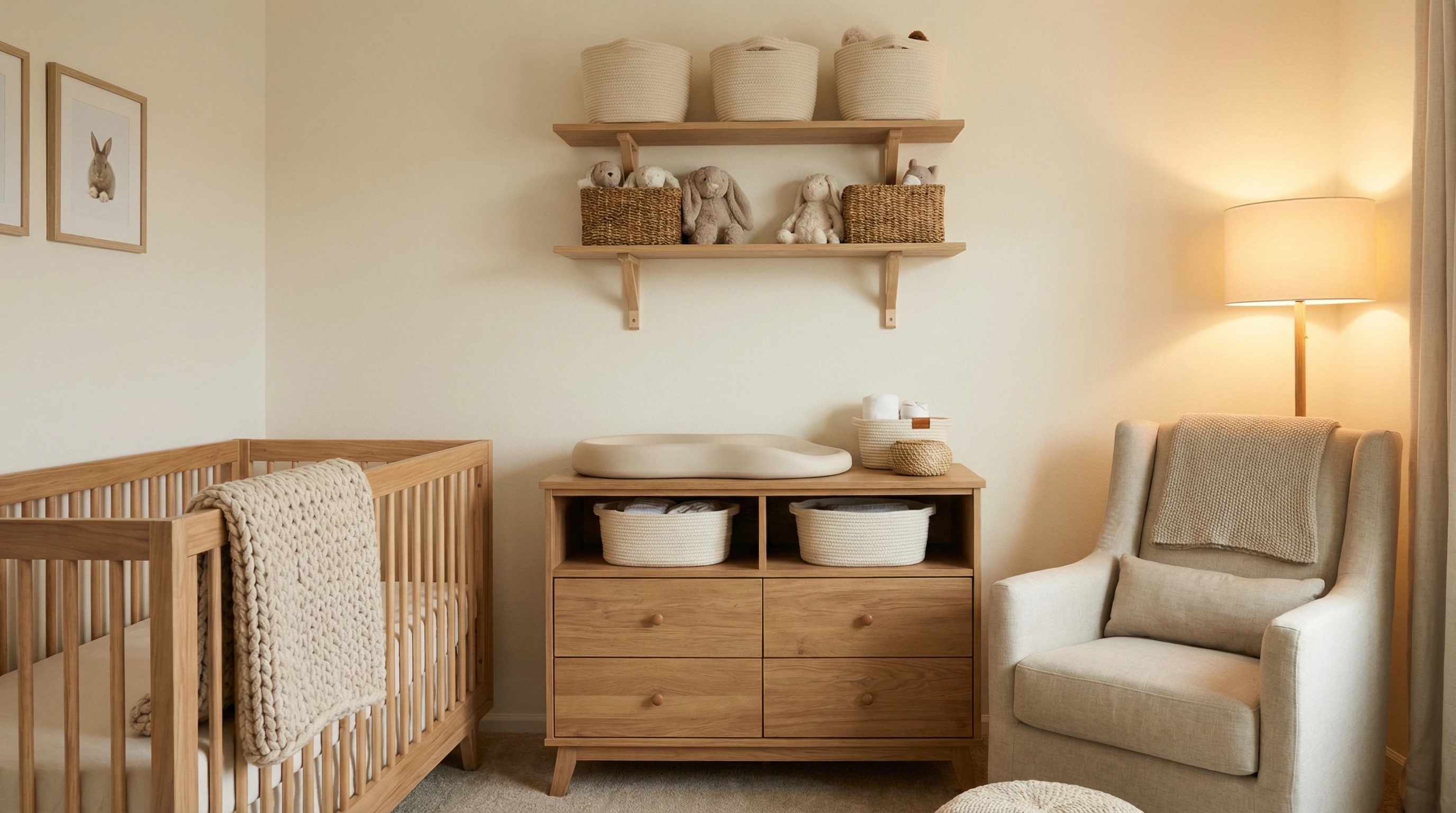
Creating a baby registry starts with nailing down the non-negotiables. These are the basics that every new parent will find super useful. Here, I cover the absolute need-to-haves, plus how many of each you’ll want on your list for a smoother start.
- Crib or Bassinet: (1) A safe sleep spot is key. Most parents choose a crib that’ll last for years, or a bassinet for the newborn months. Bassinets usually last for approximately 3 months. Some families use both for extra flexibility.
- Bassinet/Crib Mattress and Sheets: (1 mattress, 2 to 3 sheets) Look for a snug-fitting bassinet/crib mattress with at least a couple of fitted sheets for quick changes.
- Waterproof Mattress Protectors: (2) These save you in the middle of the night when leaks or spit-ups happen unexpectedly.
- Swaddling Blankets: (3 to 4) Opt for soft, breathable options that are easy to use and wash, like muslin wraps.
- Baby Monitor: (1) Video or audio monitors both work. Pick what fits your space and peace of mind.
- Clothing Basics: (6 to 8 onesies, 4 pants, 6 sleepers, 6 socks, 2 hats, 1 sweater or jacket) Babies go through a lot of outfits, so keep laundry frequency in mind. Also keep in mind what time of year your baby will be born. You may want short sleeve onesies for spring and summer, and long sleeve onesies for fall and winter. As for sleepers, again, you may want light cotton gowns or sleepers for spring and summer, and heavier ones for fall and winter.
- Diapers & Wipes: (2 boxes newborn size, then size 1) Most registries let you select from several brands, or you may choose cloth diaper systems (12 to 24 diapers & 24 to 36 inserts if cloth). For most cloth diaper systems, you will also need a minimum of 12 diaper covers.
- Changing Pad & Covers: (1 pad, 2 covers) You can use these on a dresser or a dedicated changing table.
- Diaper Rash Cream: (1 to 2 tubes) Even with top notch diapers, some babies get rashes early on.
- Baby Bathtub: (1) Choose something that fits a newborn but also grows with baby.
- Gentle Body Wash & Shampoo: (1 each) Tearfree and unscented is best for delicate newborn skin.
- Soft Towels & Washcloths: (2 to 3 towels, 6+ washcloths) Hooded towels are a classic—they’re perfect for wrapping up slippery babies.
- Infant Car Seat: (1, required to leave the hospital) Carefully check that the seat fits your car and lifestyle.
- Stroller: (1) There’s a range from basic frames for car seats to full-featured travel systems with extras.
- Baby Carrier or Wrap: (1 or 2 of each) Structured carriers are great for walks, while wraps are cozy at home.
- Bottles & Nipples: (4 to 8 bottles, newborn nipples) Even if breastfeeding, bottles help for pumped milk or formula.
- Breast Pump: (1, if breastfeeding/pumping) Insurance often covers a pump, so check before paying out-of-pocket.
- Bottle Sterilizer & Brush: (1 each) Sterilizers make cleaning bottles easy, and a good brush helps with stubborn residue.
- Pacifiers: (2 to 4, if using) Some babies love them; have a few types on hand to see what baby prefers.
- Burp Cloths: (6 to 10) Babies spit up a lot—absorbent cloths mean fewer outfit changes for everyone.
You might also want to add a small nightlight to your nursery; having subtle lighting during late night feeds or diaper changes helps you and your baby stay somewhat sleepy while tending to needs.
When and Where to Buy Must Have Baby Gear
Buying baby gear can feel like a lot, but setting up a schedule (plus knowing where to shop) makes it much less stressful. For most essentials, aim to buy or register by the start of your third trimester. This gives you plenty of time to set up, assemble, and organize. Here’s a simple breakdown of when and where to find key items:
- Bassinet/mattress, crib, crib mattress, and nursery furniture: Get these early—by 20 to 24 weeks—since shipping delays or backorders can pop up, especially during peak baby season.
- Clothes, diapers, feeding gear: Pick these up as you go through your pregnancy. Registry completion discounts often start in the second trimester.
- Car seat and stroller: Make sure these are purchased a few weeks before your due date. It gives you time to install everything and make sure it fits and works as it should.
- Other gear (monitors, carriers, bottle accessories): Pick these up during your second trimester, so you have time to figure out what fits your lifestyle best.
Popular places for building your registry or shopping directly include:
- Online Retailers: Amazon, Target, Walmart, BuyBuyBaby, and Pottery Barn Kids offer free universal registries and great discounts.
- Boutique Stores: Independent boutiques often stock unique or eco-friendly products not found at big box stores. Etsy also has a lot of unique baby items.
- Secondhand Options: Facebook Marketplace, moms’ groups, and shops like Once Upon a Child. Look for gently used gear that has up-to-date safety certifications.
- Local Baby and Children’s Stores: These are great for hands-on testing—try out carriers or check how strollers fold in person.
Feeding Essentials
How you plan to feed your baby (breast, formula, or both,) shapes what you’ll need in those first months. This section includes basics for every feeding situation so you’re ready for anything. Here’s what most parents reach for:
- Nursing Pillow: (1) Super helpful for nursing or bottle feeding, and later a good tummy time prop.
- Nursing Bras & Pads: (2 to 3 bras, 1 to 2 boxes disposable or washable pads) These keep both you and your clothes comfortable and protected.
- Milk Storage Bags: (1 to 2 boxes) Handy if you plan to pump and store milk.
- Bottle Warmer: (1) Especially handy if baby likes a warm bottle, or for those late night feeds.
- Formula Dispenser: (1, if using formula) Convenient for prepping bottles, whether you’re at home or out.
You’ll figure out what works best for your family pretty quickly, but these items get almost everyone through the early days without too much last minute scrambling. Stocking up on extra bottles or sterilizer bags also helps prevent emergency trips to the store.
Diapering and Health Basics
Keeping your baby comfy and clean is crucial. Building a stash beforehand means less stress if you run low during odd hours. Here’s what to keep ready:
- Changing Table or Dresser: (1) Using a dresser top saves space—just be sure to secure the pad for safety.
- Diaper Pail: (1) Helps keep nursery smells in check.
- Fragrance Free Wipes: (4 to 6 packs to start) Babies’ skin is super sensitive—unscented wipes are less likely to irritate.
- Baby Thermometer: (1) Digital rectal thermometers are the most accurate for little ones.
- Nail Clippers or Baby File: (1) Baby nails grow quickly and get sharp—keeping them trimmed helps avoid scratches.
- First Aid Kit: (1) Choose a kit stocked with basics like bandages, a nasal aspirator, and baby’s medications.
Keep these health items close to your changing area or in an easy-to-reach drawer so you won’t be hunting around when needed. Many parents also add saline drops for stuffy noses or a soft silicone toothbrush for cleaning early gums.
Bathing, Grooming, and Comfort
Bathtime can be soothing or a bit wild. Having everything within arm’s reach is key—no one wants to leave a slippery baby unattended to grab a towel!
- Baby Bathtub: (1) Many are designed to fit in a kitchen sink for newborns, then move to the tub as baby grows.
- Hooded Towels: (2 to 3) They wrap up baby after the bath and keep little heads warm.
- Washcloths: (6+) Perfect for bathing and for cleaning up small messes during the day.
- Gentle Lotion and Shampoo: (1 each) Hypoallergenic picks help avoid dryness or irritation.
- Soft Hairbrush: (1) Useful for preventing cradle cap and keeping baby hair neat.
You may also want a rinsing cup for gentle washing and a cute bath toy for when baby is ready for a bit of fun in the tub.
Sleep, Soothing, and On the Go
Helping babies and parents get more sleep is a real game changer. Comfortable, safe sleep set-ups and travel gear make new parent life a bit easier.
- Sound Machine: (1) Many babies settle better with white noise. Pick a portable one for naps on the go.
- Blackout Curtains: (1 set) Keep naptimes easier to manage—even on sunny days.
- Baby Swing or Bouncer: (1) These aren’t a must, but they help soothe baby when you need a break.
- Portable Changing Pad: (1) Be sure every diaper bag has one for mess free changes anywhere.
- Travel Crib or Play Yard: (1) Useful for overnight stays with grandparents or naps away from home. Lightweight options set up quickly and pack easily for travel.
Don’t forget a diaper bag that fits your daily routine; one with multiple pockets and waterproof lining can make outings stressfree.
Extra Nice-to-Have Registry Items
Some registry items just make life smoother, even if they’re not truly musts. Consider these as “nice extras” if they fit your space or budget:
- Wipe Warmer: (1) A lifesaver in cold climates for gentle diaper changes.
- Bottle Drying Rack: (1) Keeps washed bottles organized and dries pump parts too.
- Stroller Organizer: (1) Extra pockets for your drink, phone, or keys make walks more pleasant.
- Nursing Cover: (1) Some parents like the added privacy, especially when feeding in public.
- Paci Clips: (2 to 4) Keep pacifiers from hitting the floor.
- Teething Toys: (2 to 3) Little hands love them by months three or four.
Feel free to include your favorite storybooks or soft first toys—small touches can make baby’s space even cozier and add some fun to your days.
Shopping Smart: Practical Buying Tips
When building your registry, keep safety, budget, and future needs at the top of your mind. A few practical tips:
- Think ahead: Choose convertible cribs or all-in-one car seats that adapt as your child grows; it pays off down the road.
- Watch for deals: Major retailers offer registry completion discounts, extra rewards, and bonus gifts.
- Mix it up: Borrowing or buying gently used gear for fast outgrown items helps keep costs and clutter in check.
- Easy cleaning: Machine washable covers and wipeable surfaces save serious time.
- Check reviews: Trusted resources like BabyGearLab or What To Expect offer real parent pros and cons for many common products.
Don’t hesitate to ask other parents or browse trusted forums for realworld advice on brands and models—they’ve been through it, and their tips are gold.
Real Life: Registry Mistakes to Avoid
I’ve made my fair share of registry blunders. Here’s what to watch out for (and what many parents wish they knew):
- Try multiple bottle and nipple brands: Babies can be picky, so having a few options keeps you from panic buying at the last minute.
- Don’t stack up on only tiny clothes: Babies grow fast. Get a mix of newborn and 0 to 3 month sizes—and wash everything first.
- Skip high-end extras until needed: Fancy gadgets like bottle warmers or wipe warmers can wait until you see what works for your baby.
- Double check car seat and stroller fit: Not all strollers work with all car seats, so check for compatibility before buying or registering.
Toss in a few practical items like extra pacifiers or burp cloths—no one ever regrets having spares!
Frequently Asked Questions About Baby Registries
I see these baby registry questions all the time from new parents. Here are some quick answers to the most common ones:
When should I start my baby registry?
Most parents begin by the end of the first trimester and aim to finish shopping or registering by the beginning of the third trimester. This timeline gives you enough space to compare products and handle any shipping hiccups. Also, you will be prepared if your newborn decides to arrive early.
How many of each item do I really need?
It depends partly on how often you want to do laundry or cleaning, but a safe starting point is about 6 to 8 onesies, 2 to 3 crib sheets, and 6 to 10 burp cloths. For diapers, 2 big boxes in newborn size and 2 in size 1 work before you find out your baby’s growth rate. Cloth diapering is a completely different system. WeMost families quickly adjust these numbers once they settle in.
What should I buy new and what’s okay secondhand?
Cribs, crib mattresses, and car seats should always be up to date with current safety standards. Only buy these secondhand if you know their full history. Clothes, swings, and strollers are usually okay used, as long as they’re in good shape.
What are great places to shop for baby registry items?
Amazon and Target are perennial favorites for big choices and perks, while local boutiques and consignment stores often have unique finds and handy advice. Specialty retailers like Babylist, BuyBuyBaby, and Pottery Barn Kids let you make universal registries—perfect if you want items from a variety of places.
Wrapping Up: Takeaways for a Smooth Baby Registry Experience
Building your baby registry around practical essentials gives you confidence for whatever those first weeks throw at you. Picking safe, thoughtfully chosen items saves time, money, and keeps clutter at bay. If you forget something, no worries—baby stores ship quickly and family or friends love to help. Do your homework, talk to experienced parents, and you’ll figure out what fits your lifestyle best.
Enjoy getting everything ready, and don’t forget that what your baby needs most is you!