
As an Amazon Associate, I earn from qualifying purchases.
Installing an infant car seat can seem intimidating at first, but it’s one of the most crucial steps to keep your baby safe while traveling. I remember grappling with all the straps and buckles when I first tried, wishing for a simple guide to simplify the process. With so many car seat options and vehicle set-ups, understanding how to install your seat correctly really makes a big difference. Here’s what I’ve learned over the years about installing an infant car seat securely, along with extra tips that will help you double-check everything.
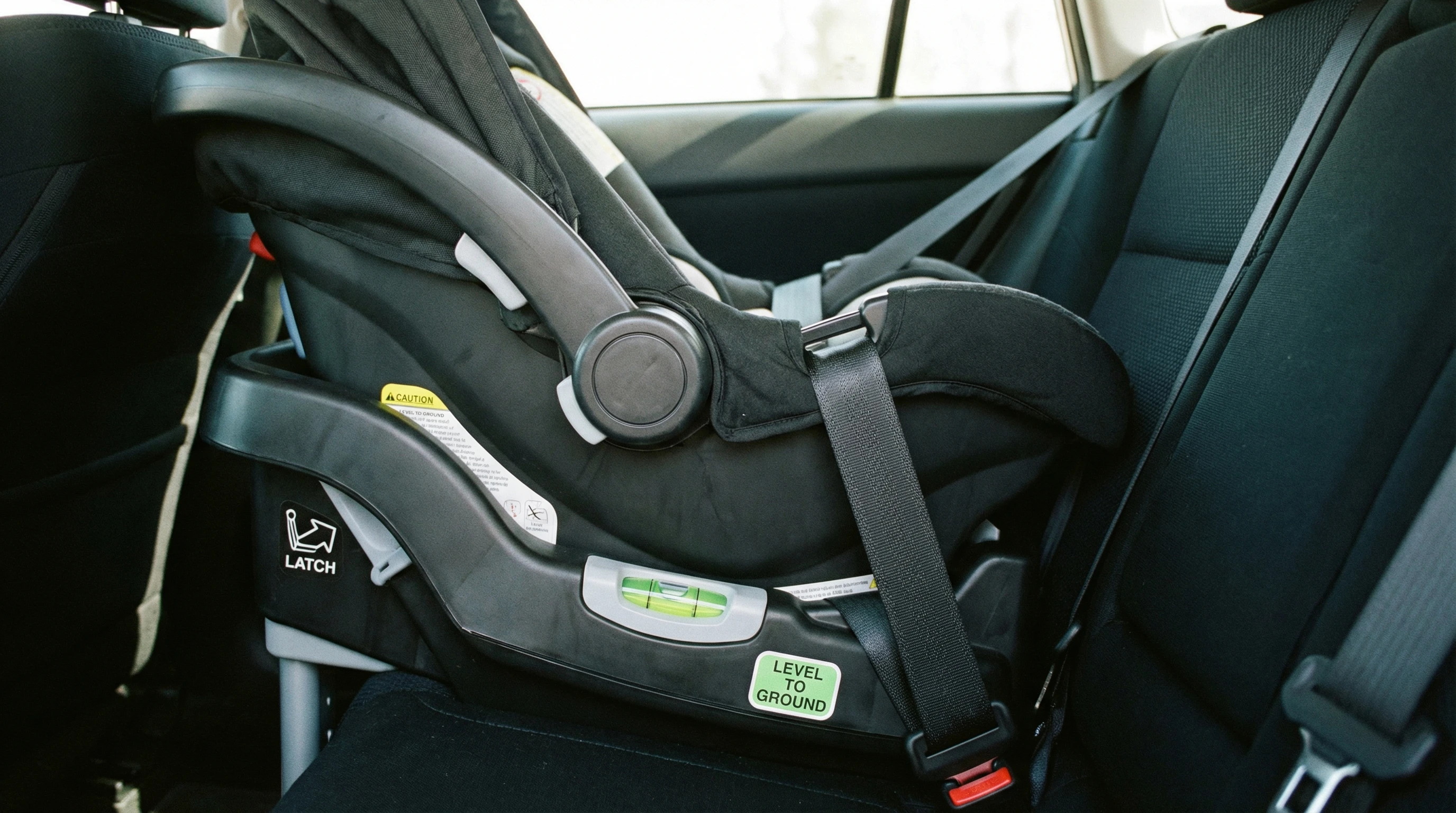
Why Proper Infant Car Seat Installation Matters
It’s not just about following rules—it’s about helping protect your newborn on every ride. According to the American Academy of Pediatrics, installing a car seat the right way can reduce the risk of serious injury in a crash by up to 71 percent. Knowing the correct method is something every parent should really focus on.
Newborns are especially vulnerable. Their neck muscles are very weak, and their bones are much softer. The rear facing position with a tight, stable installation cushions your baby and absorbs the shock if anything ever happens.
First Steps: Picking the Right Car Seat and Location in Your Vehicle
When choosing a seat, you’ll find two main categories: a rear facing infant-only car seat that usually clicks in and out of a base, or a convertible seat used in the rear facing mode. Both are safe for newborns if installed properly. The infant-only seats are usually lighter and easier to move around, which many families love.
Where Should the Car Seat Go?
The safest place, for most cars, is the center spot in the back seat. This keeps your baby furthest from doors, offering the most protection from side impacts. However, some cars don’t have a suitable center seat, or the car seat may not fit snugly there. If that’s the case, either rear side position works well as a backup. If you’re juggling a newborn and a toddler, you can often place the newborn in the middle, if you get a tight fit, and the toddler on one of the sides.
Remember, not every center position will have LATCH anchors—sometimes you’ll use the seat belt instead. Done right, both methods are equally safe.
Step By Step Guide: How To Install an Infant Car Seat
Every car seat has its own manual, and your car has a safety section too—you should definitely read both. The two main installation options are the seat belt or the LATCH system. Here’s the general process for installing a rear-facing infant seat:
- Position the Base: Set the car seat base flat on your chosen spot in the back seat. Most bases have a label indicating the “front,” so make sure it’s facing the right way.
- Securing with LATCH or Seat Belt: Connect the lower anchors (if available) to your car’s built-in anchors, tightening them down. If you’re using the seat belt, thread it through the belt path, buckle, and lock it as laid out in your car’s manual.
- Tighten Until Secure: Put some body weight on the base and tighten the straps or seat belt so the base doesn’t move more than an inch side to side or front to back at the belt path.
- Check the Recline Angle: Most bases include a level indicator—a bubble or colored marker—that helps show if the angle is just right for your newborn. Too upright and your baby’s head could flop forward, too flat and the seat’s protection drops.
- Click into Place: Snap the infant carrier into the secure base. Give the seat a gentle shake at the belt path to make sure it’s locked in tight.
- Secure Your Baby: Make sure the harness straps come from at or below your baby’s shoulders. They should fit snugly (Always use the pinch test so there is no slack at the shoulder), with the chest clip sitting at armpit level.
Common Mistakes To Watch Out For
- The car seat wobbles more than one inch at the base. Tighten it up until it barely moves.
- The angle isn’t right; always check the level guide for newborns before every ride.
- Harness straps are too loose. Pull to remove slack until you can’t pinch the fabric.
- The chest clip is too low. It should always line up with your child’s armpits.
Is Installation the Same in Every Car?
No, every car is a little different. Differences in seat shape, anchor locations, and the tilt of your back seat can affect the final fit. What works in a sedan might be trickier in an SUV, and some center seats just don’t pair well with every car seat base.
It helps a lot to check your car’s owner manual. Usually, there’s a section labeled “child restraints” with tips on precisely where and how to secure your infant seat. Some vehicles even include special leveling tools or unique LATCH configurations to smooth the way.
What About Airbags?
Never install a rear-facing infant seat in front of a working airbag. If the airbag deploys, it could seriously injure your baby or worse. Always stick to the back seat for car seats whenever possible—it’s the safest option.
Special Considerations for Newborns and Multiple Children
Newborns require extra attention to snugness and the correct recline angle. Young babies can have trouble keeping their airways clear if their heads slump forward. Always check your seat’s level indicator every time you re-install.
For families with both a newborn and a toddler, your arrangement depends on space and seat compatibility. Ideally, the center seat is best for the youngest, but if your seats won’t fit side by side, put the newborn behind the passenger seat. This allows for easy parent access and a clear line of sight while driving, and put the toddler behind the driver if needed.
How To DoubleCheck Your Seat’s Installation
- The car seat moves less than an inch at the belt path.
- The harness is snug—no loose spots you can pinch at the shoulders.
- The base is level to give your baby the correct recline.
- The chest clip sits at armpit height for best protection.
If you’re ever uncertain, many local fire departments, police stations, or trained child passenger safety technicians offer installation checks for free. If you are really stumped or worried, it’s well worth the extra input and provides peace of mind.
Extra Tips for Smooth Car Seat Installation
- Practice Before Baby Arrives: Try installing before the birth, so you get the hang of it with no stress.
- Register Your Car Seat: Manufacturers will send recall notices, which is super helpful for staying informed.
- Use a Towel or Pool Noodle for Leveling: Sometimes a rolled towel or a piece of pool noodle under the base gives you just the right tilt, especially for small babies. Always check the seat manual to make sure this is approved for your model. And use it only as a last resort.
- Don’t Add Extra Padding: Only use padding or inserts supplied with your car seat. Add-on products can interfere with the harness and make things less safe for your baby.
Real World Car Seat Checks and Stories
Before a road trip my friend took, she had to move the car seat to a rental car. The seats were completely different from what she was used to, and she could not get the car seat to fit properly. She could not find a manual, and had to seek out a car seat technician to advise her. It made a real difference in her confidence, and the safety of her baby. Sometimes, if you aren’t sure, a double-check is always smart. Techs often share tips tailored to your car and car seat brand, and they sometimes spot things that a mom may not see or know about, especially if you are a first time mom. If you know you will be using a rental car, it is wise to rent it a day or so early to make sure the car seat is fitted properly, and give you time to seek help if needed.
Frequently Asked Questions
Is the center seat always best for a newborn?
Most of the time, yes—the center rear seat is farthest from side impacts, so use it if your car and seat allow a snug install. If it doesn’t fit well, either side in the back works fine too.
Where should car seats go if you have a newborn and a toddler?
The newborn often goes in the center rear seat, in a rear-facing position for maximum protection; the toddler in a rear side seat. If the seats can’t fit side by side, the newborn can go behind the passenger for easier access, the toddler behind the driver.
Are all car seats installed the same way in every vehicle?
No. Each car and seat combo can differ—anchor points, seat shape, and LATCH setups vary. Always use your car seat’s guide along with your car’s manual for the safest install.
What should you do if you can’t get a tight install?
Sometimes, changing from LATCH to the seat belt or switching seat positions helps. If you’re still stuck, a certified car seat technician https://cremedelacremechild.co/finding-a-car-seat-technician can walk you through the process and spot any tricky issues.
Wrapping Up
Installing an infant car seat may take some practice, but it’s one of the best things you can do for your child’s safety. The right fit, position, and angle all play a role. Don’t hesitate to ask for help, and always consult both your car seat and vehicle manuals for the best guidance. Each time you finish setting up a car seat, you will feel much more confident behind the wheel. Safe travels to you and your family!