
Hitting the 6th month of pregnancy is a huge milestone, and a lot is happening for both you and your baby right now. This stage is usually considered weeks 21 through 24, and the changes are pretty amazing. In this guide, I’ll walk you through what’s going on with your baby’s development, symptoms you may notice, foods and vitamins to focus on, activity dos and don’ts, and risks or warning signs to keep an eye out for during this part of your adventure.
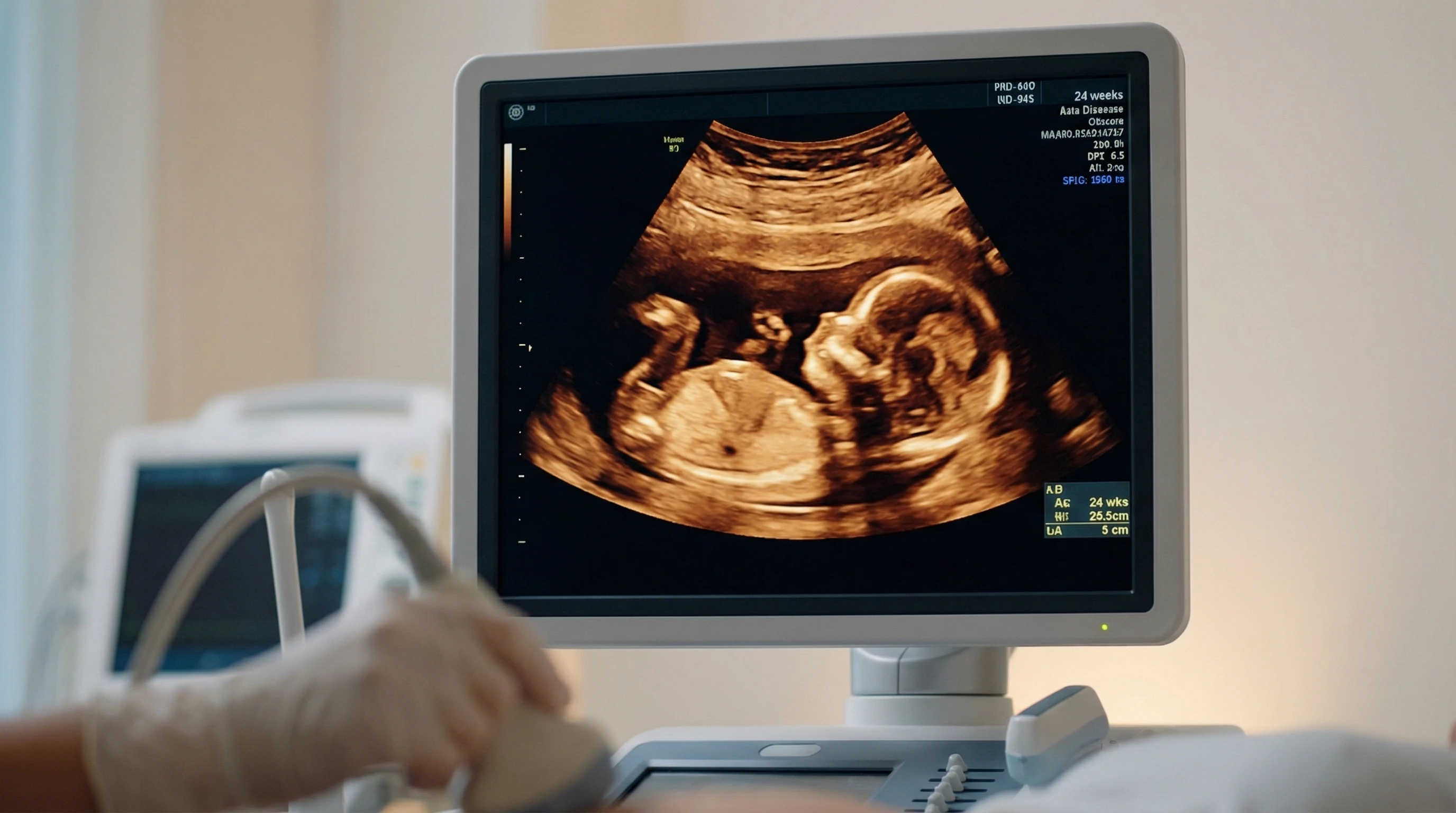
How Your Baby Develops During the 6th Month
At six months, your baby is growing fast and making some big developmental leaps. Most babies measure about 11 to 14 inches long, about the size of a big zucchini, and usually weigh just over a pound. The body is looking more proportionate now, with arms and legs catching up to the rest of the body.
A particularly interesting development at this stage is that your baby’s skin is still a bit translucent and wrinkly, but it’s starting to thicken up and is getting covered in vernix (that protective, white waxy substance) and lanugo (a layer of soft body hair). These features help safeguard their delicate skin against the amniotic fluid. Additionally, the lungs undergo big changes to get ready for breathing outside the womb, even though they still have some maturing to do.
- Hearing: Around now, your baby can actually pick up on sounds from outside your body, including your heartbeat, stomach growls, and even your voice. Many parents talk, sing, or play soft music for their bump, and you might notice the baby responding to loud noises with a little kick or wiggle.
- Movement: Kicks, stretches, and wiggles are much more obvious! Feeling your baby’s movements daily is both thrilling and reassuring.
- Developmental highlights: Eyelids start to open, taste buds form, and those tiny footprints and fingerprints are fully developed at this stage.
Size and Growth: What to Expect in the 6th Month
By the end of the sixth month, many babies weigh about 1.3 to 1.5 pounds. Much of the weight gain now comes from fluids, increasing muscle, and building up fat. Growth isn’t always steady; some days it might feel like your belly grew overnight.
While feeling bigger is normal, sudden or dramatic swelling, especially in your hands or face, can be a warning sign for conditions like preeclampsia. Keeping up with regular check-ups helps you and your healthcare provider keep tabs on you and your baby’s growth so that any new developments can be managed quickly and smoothly.
Symptoms You Might Notice (and Quick Solutions)
The sixth month brings a range of symptoms, from minor annoyances to more noticeable changes. Here’s what’s common during this month:
- Back pain: A growing belly puts extra stress on your back. Propping your feet up, wearing supportive shoes (it’s a good time to put high heels aside), and gentle pre-natal stretches can provide relief.
- Leg cramps and swelling: This is very common in the evening. Staying hydrated, gentle stretching, and elevating your feet can make a noticeable difference. Light walks and wearing compression socks can help with swelling, too.
- Heartburn: Your baby’s growth and shifting organs mean heartburn is a likely companion. Eating smaller, frequent meals and avoiding spicy or very fatty foods usually helps.
- Fatigue and sleep changes: Getting comfortable in bed is harder as your bump gets bigger. Pillows supporting your belly and between your knees help a lot. Sneaking in short naps can also refresh you.
Key Vitamins and Foods for the 6th Month
Nutrition is especially important now as your baby’s growth picks up. Here are the main vitamins, supplements, and foods to put on your radar:
- Iron: Your body needs more iron as your baby builds more blood. Include iron-rich foods like beans, lentils, leafy greens, and lean meats. Pair your pre-natal vitamin with a vitamin C source (like orange juice) for better absorption.
- Calcium: Important for your baby’s bones and teeth. Try to get dairy, fortified plant milks, leafy greens, and tofu in your diet.
- Folate/Folic Acid: Still essential for healthy development. Most pre-natal vitamins have you covered, but spinach, beans, and whole grains are excellent extras.
- DHA and omega3s: These support baby’s brain and eyes. Fatty fish (like salmon), walnuts, and eggs with added DHA are smart choices. If you don’t eat fish or eggs, your doctor might suggest a DHA supplement.
Continue to avoid foods like raw or undercooked seafood, deli meats (unless heated), unpasteurized dairy, and high mercury fish like shark or king mackerel. Keep sodium and caffeine in moderation as well.
Activities and Sex: What’s Safe and What to Skip
If your pregnancy is going well, most activities are safe with a few precautions:
- Exercise: Walking, swimming, pre-natal yoga, and low impact aerobics are usually fine. Skip high contact sports or activities that could lead to falls or are overly intense. If you have any complications, follow your doctor’s guidance closely.
- Lifting heavy things: Try not to lift heavy loads on your own. If needed, bend at the knees, keep your back straight, and ask for help.
- Sex: Unless your doctor says otherwise, sex is generally safe. You may notice more vaginal sensitivity or discharge—this is often normal. If you experience pain, bleeding, or fluid leakage, let your provider know.
Trust your instincts. If something feels off, painful, or uncomfortable, there’s no harm in checking in with your healthcare team just for peace of mind.
Risks of Miscarriage and Causes in Month Six
Miscarriages are most common in the first trimester, but can still occur later in rare cases. In the sixth month, pregnancy loss is termed a late miscarriage, and though less likely, it’s still possible. Main causes include:
- Placental problems (such as abruption)
- Premature rupture of membranes
- Pre-term labor
- Cervical insufficiency (if the cervix opens too early)
Chronic health conditions like high blood pressure, diabetes, or infections may also play a role. Stick to your pre-natal visits and let your healthcare provider know quickly if you experience significant changes like bleeding, severe cramping, leaking fluid, or a sudden lack of movement from your baby. Staying sharp and acting early can help protect you both.
Other Developmental Problems and Warning Signs
Most babies grow without major issues, but some problems can show up at this stage. Key things to be aware of:
- Growth restrictions: Sometimes babies don’t grow as quickly as anticipated. This is often found during ultrasounds or measurements at appointments. If needed, your provider will order extra scans or tests to watch over things.
- Pre-term labor signals: Learn to recognize signs like regular abdominal tightness, lower back pain, pelvic pressure, or a sudden increase in discharge. If you spot these, contact your doctor right away.
- Gestational diabetes: Screening typically happens this month. If you’re diagnosed, sticking closely to your doctor’s nutrition and activity guidelines helps ensure the healthiest development for your baby.
Other signs to take seriously:
- Severe headache or vision changes
- Sudden, extreme swelling
- Severe abdominal pain or cramping
- Bleeding or leaking fluid
- Less or no baby movement after you’ve started to notice regular movement (usually after week 24)
When in doubt, connect with your care team. Trusting your instincts and checking in even over small things helps keep both you and your baby safer.
Answering Common Questions About the 6th Month of Pregnancy
How can I tell if my baby is developing on track?
Regular ultrasounds, ongoing pre-natal care, and keeping an eye on how you feel usually provide a clear sense of progress. If there’s any uncertainty, your provider may order additional checks or scans for reassurance.
Is it normal to feel more emotional at six months?
Absolutely! Hormones are working overtime now, and the mix of excitement and worry about the approaching due date is normal. Reach out to a friend, partner, or counselor if you need extra support or someone to talk things through with.
How much weight should I have gained by now?
Weight gain varies, but most people will have added about 12 to 17 pounds by the end of the sixth month. The healthy range can shift a bit depending on your starting weight. If you’re ever unsure or have questions about healthy gain, ask your healthcare provider.
What if I can’t eat much because of heartburn or appetite changes?
Try smaller, more frequent meals and keep easy snacks like fruit, yogurt, or nuts nearby. This way, you can still take in what you and your baby need without feeling too full or uncomfortable.
Helpful Reminders for Your 6th Month
- Stick with your pre-natal visits and recommended tests.
- Stay active if you feel up to it, but don’t overdo things.
- Opt for nourishing foods and double check any new supplements with your doctor first.
- Keep well hydrated and pay attention to your body’s signals for rest or activity.
- If anything concerns you—even if you’re not sure—get in touch with your provider. Your peace of mind is important.
My baby was pretty active consistently. Toward the end of my 6th month, he stopped moving, at all. I tried to squelch the fear, but I could not overcome it. I called my OB/GYN. I had an appointment 3 days later. By that time, I was almost hysterical! My doctor did not use ultrasound, so he did an internal physical exam. Shortly after that, the baby started moving again. He told me the baby had completely worn himself out from being so active, and had been sleeping to restore his energy. I was so relieved, I completely broke down in tears. I was lucky. He also told me because he was so active inutero that he would be very active after birth! Good to know.
Entering the 6th month of pregnancy is both exciting and a little overwhelming. Understanding what’s normal and being vigilant for worrisome signs gives you and your baby the best shot at a healthy, happy run to the finish line. You’ve got this—and help is always just a phone call away!