
This post is part of The Ultimate Month by Month Pregnancy Guide. If you are interested in a step by step breakdown, view the roadmap here. The Ultimate Month-by-Month Pregnancy Guide: What To Expect
Reaching the fifth month of pregnancy often brings a mix of excitement and curiosity about how the baby is growing and what changes are coming your way. If you’re entering this stage, you might notice that your baby bump is starting to show, and many of the early-pregnancy symptoms are giving way to new ones. I’ve put together an overview of what’s happening in your body, what your baby is up to, and a few handy tips to keep you feeling your best during this important month.
How Your Baby Develops In the Fifth Month
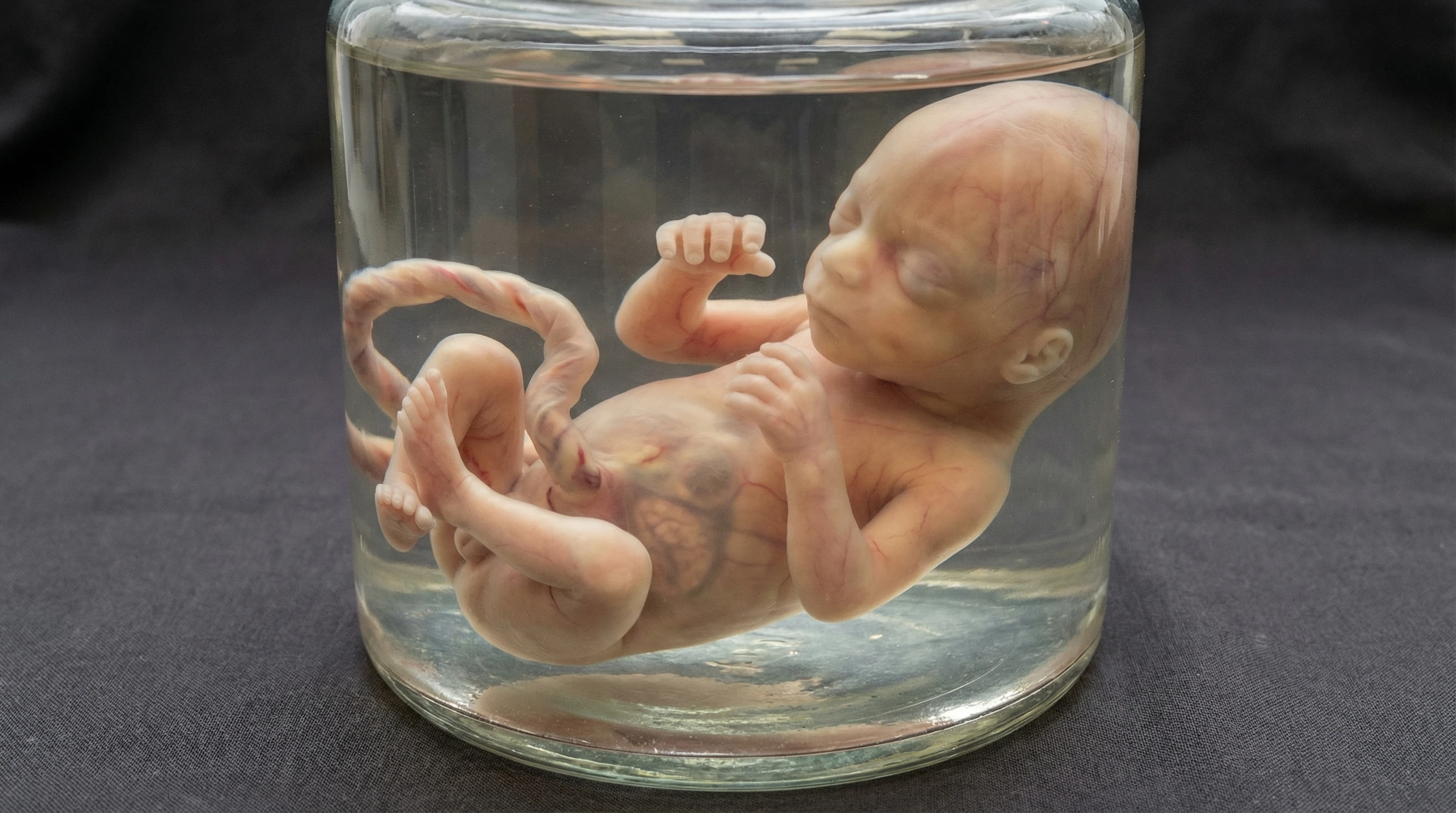
At five months, your baby measures around 6 to 10 inches from head to bottom and weighs about half a pound to a pound. It’s pretty cool to know that this month, your baby looks a lot more like a tiny newborn, just a lot smaller. Fine hair, known as lanugo, covers the skin, and you might even catch a glimpse of eyebrows and tiny eyelashes forming! During this stage, your little one’s proportions become more balanced every week, with legs lengthening and the head-to-body ratio evening out. This is also when you might notice a surge in your own excitement—it’s the time when pregnancy starts feeling truly real. Some parents love checking in with their care team and hearing that everything is progressing on schedule, while others like journaling or using a pregnancy tracking app to follow baby’s milestones week-by-week.
Inside your belly, the baby’s skin is still thin and a bit translucent, but things are moving fast. The skeleton is starting to harden, turning from soft cartilage into bone. You might even start to feel some fluttering or gentle kicks; these movements are often called “quickening” and are a really reassuring sign that your baby is active and growing. Quickening usually starts out subtle, like a soft tap or flutter, before eventually becoming stronger over the coming weeks.
- Facial features: Eyelids are now separate. The eyes are still shut, but your baby can make facial expressions. Their lips and nose become more defined, so your little one is taking on more familiar features each day.
- Hearing develops: Tiny bones in the ears are morphing into place, so your baby can start to pick up muffled sounds, like your heartbeat, your voice, or even music if you play it nearby.
- Growth spurt: This period brings one of the biggest growth spurts, so you might notice your bump getting rounder and firmer. During these weeks, some babies will double their weight by the end of the month.
- Fingerprints: Swirls and creases are forming on the baby’s fingertips, making their unique fingerprints.
With all these developments, every week adds something new to your baby’s toolkit for life outside the womb.
Your Body: Common Symptoms in Month 5
The second trimester is sometimes called the “honeymoon phase” of pregnancy, but that doesn’t mean it’s always a walk in the park. Energy often returns and morning sickness tends to fade, but you might notice a few new symptoms this month:
- Backaches: Baby’s growth and the switch in your center of gravity can make your back sore.
- Round ligament pain: You might notice sharp pains or twinges on the sides of your belly as the ligaments stretch to support your growing uterus.
- Heartburn: Hormones are relaxing the muscles in your digestive tract, which can cause acid reflux, especially after meals.
- Constipation: Slower digestion can be a pain, literally; fiber and hydration really help here.
- Nasal congestion: Pregnancy hormones increase blood flow to your mucous membranes, so sniffling or mild nosebleeds are normal for some women.
You may also notice a subtle line, called the linea nigra, forming down the center of your belly, and your hair or nails might feel stronger thanks to pregnancy hormones. Some people experience mild swelling in their ankles or feet, so it helps to prop them up at the end of the day.
Staying Comfortable: Tips to Handle Symptoms
Some symptoms can feel like a hassle, but there are ways to get relief. Here’s how I, and others I have heard from, managed some of the common annoyances:
- Back pain: Good posture, supportive shoes, and low impact exercise like pre-natal yoga or swimming can soothe sore muscles. A pregnancy pillow for sleeping can work wonders, too.
- Heartburn: Try smaller meals, avoid spicy or fatty foods before bed, and prop yourself up with an extra pillow if heartburn kicks in at night.
- Constipation: Whole grains, fruits, veggies, and lots of water usually get things moving. Some women also benefit from gentle walks every day.
- Round ligament pain: Slow down a bit when moving from sitting to standing, and gentle stretching can make a difference.
- Nasal stuffiness: Saline sprays and using a humidifier offer some relief, and staying hydrated helps keep things clear.
Taking a warm (not hot) bath or using a heating pad on low can ease aches. If symptoms ever feel severe or don’t ease up, it’s a good idea to check in with your provider. Most importantly, try to prioritize rest. Short naps, good sleep and proper hygiene make a world of difference as your body does the hard work of growing a baby.
Nutritional Needs: Vitamins and Foods Worth Choosing
What you eat now keeps fueling both you and your baby’s growing body. This month, you’ll want to pay special attention to a few key nutrients:
- Folic acid: Still important for healthy development, especially for your baby’s brain and spinal cord. Many pre-natal vitamins include folic acid, so you’re likely covered if you’re taking one daily.
- Iron: Your blood volume keeps increasing, and some women need an iron supplement along with eating more leafy greens, beans, whole grains, and lean meats. Vitamin C from fruits like oranges helps your body absorb iron better.
- Calcium and vitamin D: With that skeleton hardening, your baby draws calcium from your body. Dairy products, fortified plant milks, leafy greens, and safe sun exposure are super helpful. A glass of milk or a handful of almonds can help meet your daily goals.
- Omega3s: These healthy fats (found in fish like salmon and walnuts) support brain and eye development. If you’re vegetarian or eat minimal seafood, flaxseeds or chia seeds are plant-based options.
It’s not just about nutrients; eating small, balanced meals a few times a day helps keep your energy up and can stop blood sugar from crashing. If you’re ever unsure what’s best for your situation, it’s always smart to check with your pre-natal care provider or a registered dietitian who works with pregnancy nutrition. Don’t forget to make water your go-to drink and keep an eye on foods with added sugar or excess salt.
Things to Skip: Foods and Habits to Avoid in Month 5
Certain foods and habits are better left out during pregnancy because they can be risky for your baby or just plain unpleasant for you. Here are a few things I always tell friends to be cautious about in the fifth month:
- Unpasteurized cheeses & deli meats: These carry a higher risk for listeria, a bacteria that’s dangerous during pregnancy.
- Raw seafood or undercooked meats: Sushi, rare meat, and even runny eggs can contain bacteria or parasites you want to avoid while pregnant.
- Large, high mercury fish: Shark, swordfish, king mackerel, and some types of tuna can contain more mercury than is safe.
- Alcohol and certain herbal teas: Alcohol crosses the placenta and can impact development, and not all herbal teas are safe. If in doubt, ask your healthcare provider.
- Too much caffeine: Most guidelines suggest keeping caffeine below 200 mg per day, about one regular cup of coffee.
It’s also smart to limit processed foods as much as you can and always wash fruits and veggies thoroughly before eating. Pay attention to food safety at home, like cooking meats to recommended temperatures. Using a heat sensor for meat can assure it is cooked to the right temperature. Also, avoid leftovers that are more than 2 to 3 days old. They could produce bacteria that could make you sick. Better to be safe than sorry!
Exercise and Sex: What to Know About Staying Active
Staying active during pregnancy is healthy for most women, and the fifth month is usually a good time to enjoy gentle movement. Walking, swimming, and pregnancy yoga are all good options, but it’s smart to avoid contact sports, activities with a fall risk, or anything that might cause trauma to your bump. If you ever feel dizzy, short of breath, or experience pain or bleeding, it’s important to slow down and check in with your doctor. At this stage, listening to your own limits and taking breaks is especially important, as your energy may fluctuate from day to day.
Sex is generally considered safe for most women in the fifth month unless your doctor has given specific restrictions. If you experience pain, bleeding, or have a history of pre-term labor or miscarriage, talking to your healthcare provider about any concerns is a good move. Remember, comfort is key—try different positions or use pillows for support if needed, and don’t hesitate to communicate openly with your partner.
Risks: Understanding Miscarriage and Other Complications
The risk of miscarriage drops quite a bit after the first trimester, but it’s still natural to worry about what can go wrong. At five months (weeks 17 to 20), the risk of miscarriage is much lower compared to the earlier weeks. Still, there are a few complications to watch for:
- Pre-term labor: Signs like regular contractions, loss of fluid, or unusual pelvic pressure should be reported to your doctor right away.
- Placenta problems: Placenta previa or placental abruption are rare, but any sudden bleeding or severe pain calls for immediate attention.
- Infections: Fevers, chills, or foul smelling discharge should be checked out to rule out infections.
Most pregnancies go smoothly, but listening to your body and flagging any symptoms that feel off is really important at this stage. Some women find comfort in tracking their symptoms in a journal or app, which can help you spot changes quickly and provide useful information to your doctor if anything unusual pops up.
Extra Precautions: Reducing Risks for You and Your Baby
A little self-care and awareness go a long way. Always keep these practical tips in mind during the fifth month:
- Avoid heavy lifting and strenuous activities.
- Always fasten your seatbelt low over your hips, not over your bump, when in the car.
- Rest when you’re tired; sleep can get interrupted thanks to growing discomfort.
- If you’re traveling, get up to stretch and move every hour or two, and stay hydrated.
- Wash your hands often to cut the risk of infection.
- Keep pre-natal appointments so your provider can monitor your health and your baby’s progress with things like fundal height, fetal heartbeat, and (if scheduled) the 20 week ultrasound.
In addition, wearing loose, comfortable clothing, sensible shoes, and applying lotion can help ease itching as your skin stretches. If you notice swelling in your hands or face, sudden headaches, or changes in vision, let your care team know right away, as these can signal more serious issues like preeclampsia.
Frequently Asked Questions About the Fifth Month
When will I feel my baby move? For many women, first flutters start around week 18 to 22. Some feel it earlier while others feel it later, and it can feel like bubbles or light tapping at first. Try relaxing quietly after a meal or lying on your side—movement is easiest to pick up when you’re calm and still.
Is it normal to gain weight quickly this month? It’s common to see your weight go up around this time; usually about 1/2 lb. to 1 lb. per week, but every pregnancy is different. If you’re worried, your provider can help you track progress.
Should I be worried about occasional cramps? Mild cramping can be normal as your uterus stretches, but severe pain or cramps with bleeding should be checked out. Gentle stretching and a warm compress often ease mild aches, but any cramps that stick around or worsen call for a doctor’s visit.
Do I need extra vitamins? Most doctors recommend sticking with a pre-natal vitamin and adding extra supplements only if needed and advised. Remember that too much of certain vitamins (like vitamin A) can be harmful, so before adding anything, have a chat with your care provider.
Staying Positive and Healthy in Month Five
Hitting the midpoint of pregnancy brings new milestones and maybe a few surprises. Your baby is thriving, you’re probably getting to know your body better than ever, and there’s plenty you can do every day to stay on track. Keeping up with good nutrition, listening to your body, and checking in with your care provider provides peace of mind. Little things like keeping a water bottle nearby, taking regular, comfortable walks, and connecting with other parents-to-be online or in local groups can make the ride even smoother. Before you know it, you’ll be moving into the next exciting phase, which will be parenthood.