Dwarfism refers to a genetic or medical condition that causes short stature, meaning that an adult is much shorter than expected. People with dwarfism face unique experiences, but understanding the reasons, diagnosis, and what to expect before and after birth helps families feel prepared and supported. Based on what I’ve learned, here’s a deep look at dwarfism—from how often it happens, to what to do if your family gets news of a diagnosis.
Dwarfism Statistics: How Common Is It?
Short stature conditions show up more often than most folks realize. In the United States, dwarfism affects a noticeable number of births each year. Studies say about 4 to 5 babies out of every 10,000 are diagnosed with some type of dwarfism. This adds up to several thousand new babies born with dwarfism in the U.S. every year. Achondroplasia is the name of the most common type, and accounts for more than half of all cases. There are other types too, like diastrophic dysplasia, spondyloepiphyseal dysplasia, and some extra rare forms, each with their unique features and health needs.
The Little People of America group estimates around 30,000 people in the U.S. have a type of dwarfism. Many live totally independent lives: they go to college, start families, and have all kinds of jobs. Dwarfism is not contagious, and it doesn’t touch a person’s intellectual skills.
Globally, the numbers are trickier since not all countries track these conditions, but experts think dwarfism occurs at similar rates elsewhere. With over 300 known causes, new cases can spring up in any community, regardless of background or family history.
Understanding What Causes Dwarfism
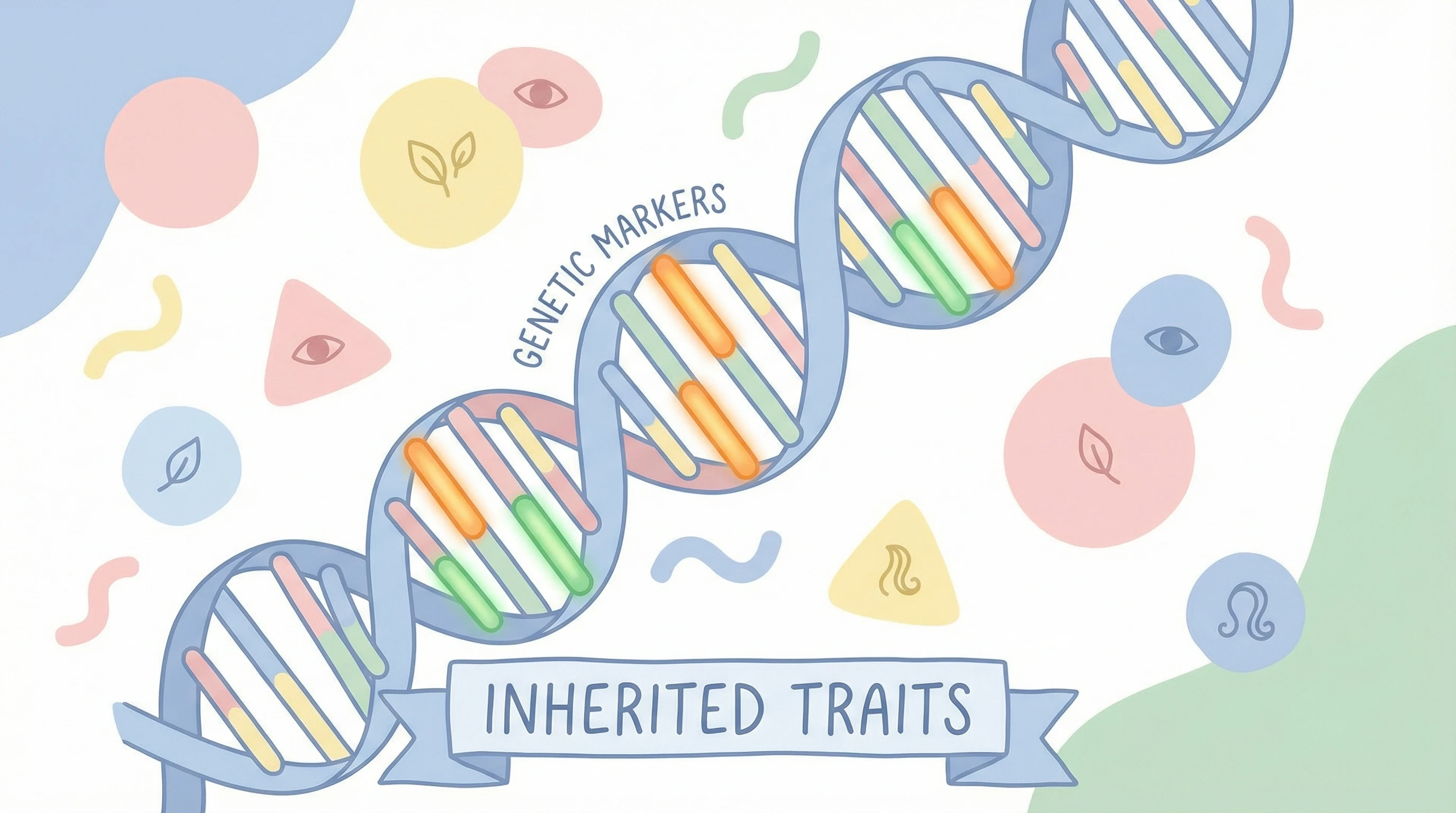
Dwarfism mostly comes down to genetics. The top cause, achondroplasia, is due to a small switch in the FGFR3 gene. This gene tweak happens randomly, so most parents of children with dwarfism are average height. Some types are inherited, either from one parent (autosomal dominant) or both (autosomal recessive). Despite the rarity, there are more than 300 different medical conditions linked to dwarfism. Most of them only pop up a handful of times worldwide.
Other reasons can involve metabolic disorders, hormone deficiencies, or different health issues that get in the way of bone growth. Very rarely, long-term poor nutrition or untreated illnesses can cause short stature, but doctors don’t consider these true dwarfism diagnoses.
- Achondroplasia: Most common, making up about 70% of cases.
- Genetic inheritance: Passed by one or both parents, depending on the specific condition.
- Spontaneous mutations: Most babies are born to parents with no family history of dwarfism.
- Other medical reasons: Hypochondroplasia, hormone growth problems, or bone development differences.
Science continues to check out new genetic links and keep adding to the list of known causes. This research helps with future diagnosis, support, and planning for families.
When Is Dwarfism Detected During Pregnancy?
Most parents find out about dwarfism in their child in the second or third trimester. Sometimes, during a detailed ultrasound at around 20 weeks, doctors might pick up on shorter-than-expected limbs or differences in bone development. However, these signs might not show up in every scan, especially with some of the less common types. For achondroplasia, the noticeable differences usually appear after 24 weeks, since fetal bones don’t all grow at the same pace.
Even if there’s a suspicion from ultrasound images, doctors often confirm a diagnosis only after birth with X-rays and sometimes a genetic test. In families with a history of dwarfism, or when parents know they carry certain genes, genetic counseling and specialized pre-natal testing (like amniocentesis) might be on the table. Still, these types of testing are usually for cases where there’s reason to think a genetic issue might exist.
Technology is changing fast. New forms of pre-natal genetic testing might make spotting some conditions easier in the future, although right now, most cases are found with late-pregnancy scans or after the baby arrives.
Can Dwarfism Be Prevented?
Dwarfism usually can’t be prevented. The majority of cases come from spontaneous gene changes that happen for no clear reason and aren’t connected to anything parents did. For types that run in families, parents can meet with a genetic counselor before pregnancy to figure out chances, but prevention isn’t totally possible.
Modern medicine can’t stop the gene changes behind dwarfism. For families with known genetic types, some might use preimplantation genetic diagnosis (as part of in vitro fertilization) to pick embryos without the condition’s gene. However, this is a very specialized and rarely used process. Still, being on top of pre-natal care and working toward a healthy pregnancy gives every baby the best start, even if it doesn’t control the risk for dwarfism at large.
It’s important for parents to know that nothing they did or didn’t do caused their child to inherit a form of dwarfism. It’s simply the way genetics sometimes play out.
Dealing With the News: Getting a Dwarfism Diagnosis
When doctors first bring up the possibility of dwarfism, parents might feel overwhelmed, sad, confused, or downright scared. These feelings are normal. Looking for information, asking good questions, and finding support can smooth the way.
Many families get a huge lift from connecting with dwarfism support groups, like Little People of America (LPA) or local clinics with expertise in skeletal dysplasias. Support circles offer real insights, practical tips, and a reminder that most people with dwarfism thrive. Medical teams often recommend genetic counselors who can answer medical questions, talk honestly about expectations, and help families figure out their next moves.
- Bring a notepad to each doctor visit, and jot down questions as they pop up.
- Look for support—online or in person—from families who’ve walked a similar path.
- Ask if there are local doctors or clinics that specialize in dwarfism.
- Give yourself time to process everything, and don’t feel rushed to have all the answers at once.
How a Birth With Dwarfism Differs From a Typical Birth
Most deliveries go smoothly, but certain types of dwarfism benefit from a birth plan. For example, achondroplasia can cause a bigger head size compared to body size. This sometimes means a planned C-section is the safest choice for the parent and baby. Delivery teams also take extra care to avoid pressing or twisting the baby’s neck and arms, since their bones may be softer or shaped differently.
After delivery, doctors typically check for specifics with an X-ray or genetic test to lock in the diagnosis. Some babies spend extra time in the newborn area, especially if they need breathing or feeding support—certain syndromes come with higher risks for these complications. That said, most parents can still enjoy skin-to-skin time and cherished first moments, just like any family.
Potential Birth Complications
Babies with dwarfism have higher odds for a few common issues when they’re born or shortly afterward:
- Breathing trouble, particularly if their chest is smaller.
- Feeding challenges—low muscle tone can make eating tough at the start.
- Possibility of spinal cord pressure or injuries during delivery.
- Jaundice, since some conditions increase the risk.
Your care team will have a plan for each of these, helping to keep things safe for both your baby and you.
Common Complications During and After Birth
Certain dwarfism types need ongoing follow-up due to extra health concerns. Here are common things doctors keep an eye out for in infants and young kids with dwarfism:
- Narrowing of the spinal canal (spinal stenosis), sometimes leading to surgery later.
- Lots of ear infections—with the potential for hearing loss if not treated quickly.
- Obstructive sleep apnea brought on by airway differences.
- Orthopedic concerns, such as bowed legs or stiff joints.
Many children work with specialists: orthopedists watch bone growth, ENT doctors check ears and breathing, and therapists help with movement or speech if needed. Early intervention teams and therapists can give your child a boost with physical, speech, or play development from the very beginning.
Families should know many complications get caught and handled early, thanks to more awareness and medical improvement. With regular doctor visits and the right support, most kids grow up healthy, active, and happy.
Frequently Asked Questions About Dwarfism
Is intelligence affected by dwarfism?
Intelligence isn’t changed by dwarfism. Most types only touch bone growth, not how someone thinks or learns.
Will my child be in pain?
Most kids with dwarfism aren’t in constant pain, but some may have joint or bone aches, especially if complications like spinal stenosis are present.
Are there treatments to “cure” dwarfism?
There is no cure for dwarfism. Treatments focus on managing related health problems. Limb lengthening surgery exists, but it’s complicated and not done for most people. The goal is comfort, good health, and helping the child thrive.
Can my child play sports, go to school, and have a family?
Absolutely. With the right support and practical adjustments, people with dwarfism can do everything their peers do—school, work, sports, relationships, and more. Adaptive sports leagues and vibrant communities help everyone feel included.
Living With Dwarfism: Everyday Experiences and Support
Life with dwarfism usually means thinking creatively about everyday needs—using stepstools, custom furniture, or equipment that fits just right. After talking with families, it’s clear that kids and adults with dwarfism pick up resourceful tricks to solve daily problems. Schools set up support plans, and workplaces adjust as necessary to accommodate everyone.
Peer groups offer a strong support system. They help families feel connected, pass along the latest info on health and resources, and keep spirits high. Sharing stories and shedding light on what dwarfism actually looks like helps the larger community understand and welcome everyone. In the end, acceptance and kindness can make all the difference for people living with dwarfism and their loved ones.