Umbilical stump care may seem overwhelming right after bringing a newborn home, but it’s a simple routine once you get the hang of it. The small piece of cord left after birth dries up and falls away naturally, but how you care for that area influences your baby’s comfort and reduces the risk of infection. I’ll walk you through what’s normal, what to note, and some easy habits for keeping your baby’s belly button clean and healthy.
Understanding the Umbilical Stump
When a baby is born, the umbilical cord, which connects mom and baby during pregnancy, is clamped and cut. What remains is a small stump on your baby’s tummy. This dries up and usually falls off on its own within one to three weeks. During this period, gentle care is really important for helping the area heal comfortably.
It’s totally normal for the stump to change colors—it may go from yellowish green to brown or even black as it dries. Some clear or yellowish drainage and a little crusting are also common. Avoid irritating the stump, tugging at it, or letting the area get dirty. You don’t want germs to get a chance to infect the belly button.
Basic At-Home Care for Umbilical Stump
After coming home from the hospital, keeping the area clean and dry should be your focus. Airflow helps the stump dry out and drop off, so folding down your baby’s diaper to keep the area exposed works well. Here are some helpful tips:
- Keep it dry: Avoid full baths until the stump falls off. Gentle sponge baths get the job done for now.
- Skip alcohol or harsh cleaners: Most hospitals now recommend letting the stump dry naturally without using rubbing alcohol, unless your healthcare provider says otherwise.
- Change diapers frequently: Wet diapers can irritate the area, so keep your baby in a clean, dry diaper as much as possible.
- Dress baby in loose clothing: Loose, breathable onesies or shirts are best for keeping air moving around the belly button area.
- Avoid picking or pulling at the stump: Let it fall off on its own, even if it’s barely hanging on.
Umbilical Stump vs. Umbilical Hernia: What’s Different?
Sometimes, you might notice a soft bulge or gentle swelling around your newborn’s belly button, especially when they cry or push. This is likely an umbilical hernia, which happens when a small opening in the abdominal muscles lets tissue poke through. Hernias are rarely painful for babies and usually go away by age two.
If your baby has an umbilical hernia, the care process is mostly the same: keep the spot clean and dry, and avoid putting pressure on the bulge. Watch for redness, persistent swelling, pain, or any changes, and check in with your pediatrician regularly. Having a provider keep an eye on the hernia ensures healthy healing.
What to Watch For: Signs That Need Attention
Most of the time, the belly button area heals just fine. Still, there are a few things you’ll want to call a doctor about if you see them around the umbilical stump:
- Redness or warmth near the stump that keeps spreading
- Unusual firmness or swelling
- Foul-smelling, pus-like fluid coming from the area
- Bleeding that doesn’t stop after gently pressing it with a clean cloth
- Fever or any signs your baby seems sick
These aren’t typical, but catching them early, if they occur, helps prevent bigger issues. Most pediatricians are glad to check if you’re ever uncertain about how the healing is going.
Caring for the Area Once the Cord Falls Off
After the stump detaches, a small spot or raw area is normal. Healing wraps up over the next several days. Keep these easy steps in mind:
- Stick with gentle diaper changes and fresh clothes until the belly button looks fully healed.
- If there’s a little bleeding or moisture, dab gently using a clean, damp cloth.
- Skip lotions, powders, or ointments unless your doctor gives you the go-ahead.
- If you notice a tiny reddish mass (an umbilical granuloma), let your pediatrician know. They’re generally harmless and easily managed in the doctor’s office.
When the belly button looks just like the surrounding skin, your baby can start having normal baths again. After that, you can treat it like any other part of your baby’s skin.
Will My Baby Have an Inny or Outie? What Determines Belly Button Shape?
The shape is mainly determined by genetics and how the skin and tissue heal after the stump drops off. The way the cord was clamped or cared for at home doesn’t determine whether your baby gets an “inny” or “outie.” What may seem like an outie in the first weeks can flatten with time, especially if there was an umbilical hernia that heals later on.
There isn’t a safe way to change the eventual shape yourself, and it’s not about at-home care. Belly button type is another unique trait for every child—one of nature’s little surprises.
Extra Tips for Simple, Stressfree Umbilical Care
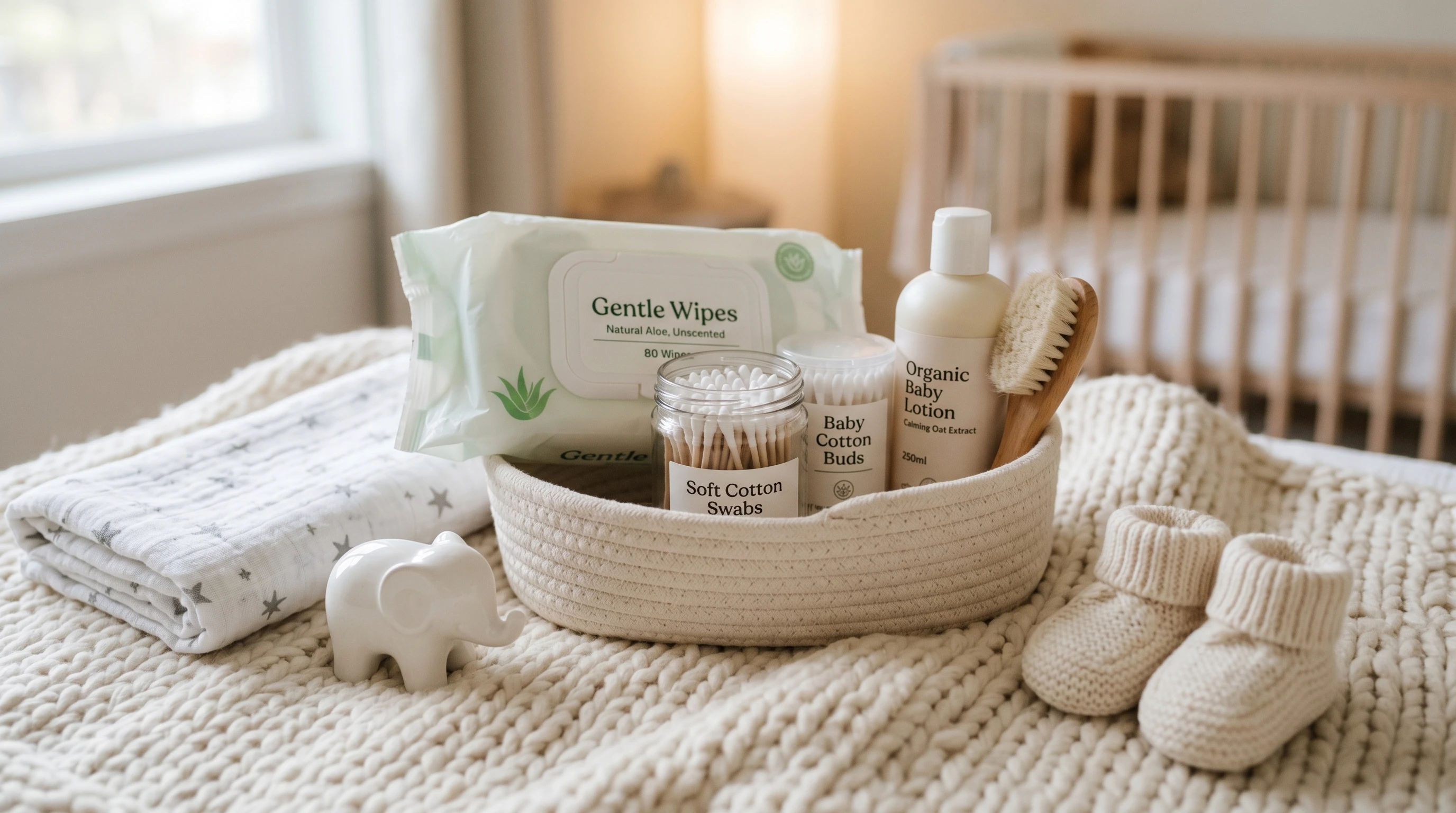
- Keep essential supplies like cotton swabs and clean cloths close by for changing diapers.
- If your little one has sensitive skin, stick to plain water and skip soaps until after the stump falls off.
- If your baby goes swimming or the area gets soaked, gently pat it dry with a clean towel right away.
- Check the stump daily or twice a day to pick up on any changes early.
Gentle care and cleanliness are all it takes for smooth healing. When in doubt, reach out to your doctor or nurse. They’ve seen it all and can let you know if something needs attention.
FAQs: Parents’ Top Questions About Umbilical Care
How long does it usually take for the umbilical cord to fall off?
Usually, it falls off in one to three weeks, though sometimes it can take a little longer. If it’s still attached after four weeks, it’s a good idea to check in with your pediatrician.
Is it okay if the stump gets a little wet?
If this happens, gently pat it dry with a clean towel. The most important thing is not to soak the area in a bath before the cord falls off.
What should I do if the cord bleeds a little?
Small blood spots are normal when the stump is close to detaching. If the bleeding doesn’t stop after gently applying pressure, or if it happens frequently, ask your doctor.
Can I use any creams or powders on the stump?
Skip them unless there’s a specific reason from your healthcare provider. Moisture-trapping products can slow down healing.
How should I treat diaper changes with a hernia present?
Diaper changes don’t change much—just be gentle and try not to press on the hernia. If the area gets firm, painful, or changes color, reach out to your doctor.
Key Points to Remember
Caring for your newborn’s umbilical stump is mostly about simplicity and keeping things clean. Whether your baby has a regular stump or a hernia, the key advice is the same: avoid moisture, be alert for unusual signs, and let nature do its thing. Once the cord drops, continue watching for a few days until the spot is fully healed, then return to regular care. The final belly button style is simply a cool quirk unique to your baby, not something you can influence at home.
With so much else happening, these easy routines can take a worry off your plate as a new parent. If you’re ever unsure, your healthcare provider is always there for reassurance. It’s a short phase, and soon your baby will have a fully healed belly button—ready for those adorable first baths and snuggly outfits.