Our newborn grandson has about a 1 inch stump, and I was concerned about it. I have never seen a stump like it, so I wanted to research it and inform parents. Our son had a normal kind of inny belly button after his cord fell off. All of my nieces and nephews also had normal belly buttons. So this was even something new for me.
Hernias in newborns can feel surprising and a bit worrisome for parents, especially if it’s your first time hearing the word. Umbilical hernias show up pretty often in babies, and the good news is, most of the time, they aren’t a big deal. Still, there are some things to look out for since complications can happen, even if they’re not super common. Here I’ll break down how these hernias form, what the odds are for babies, what you should watch for, and how to handle the warning signs.
How Does an Umbilical Hernia Form in Newborns?
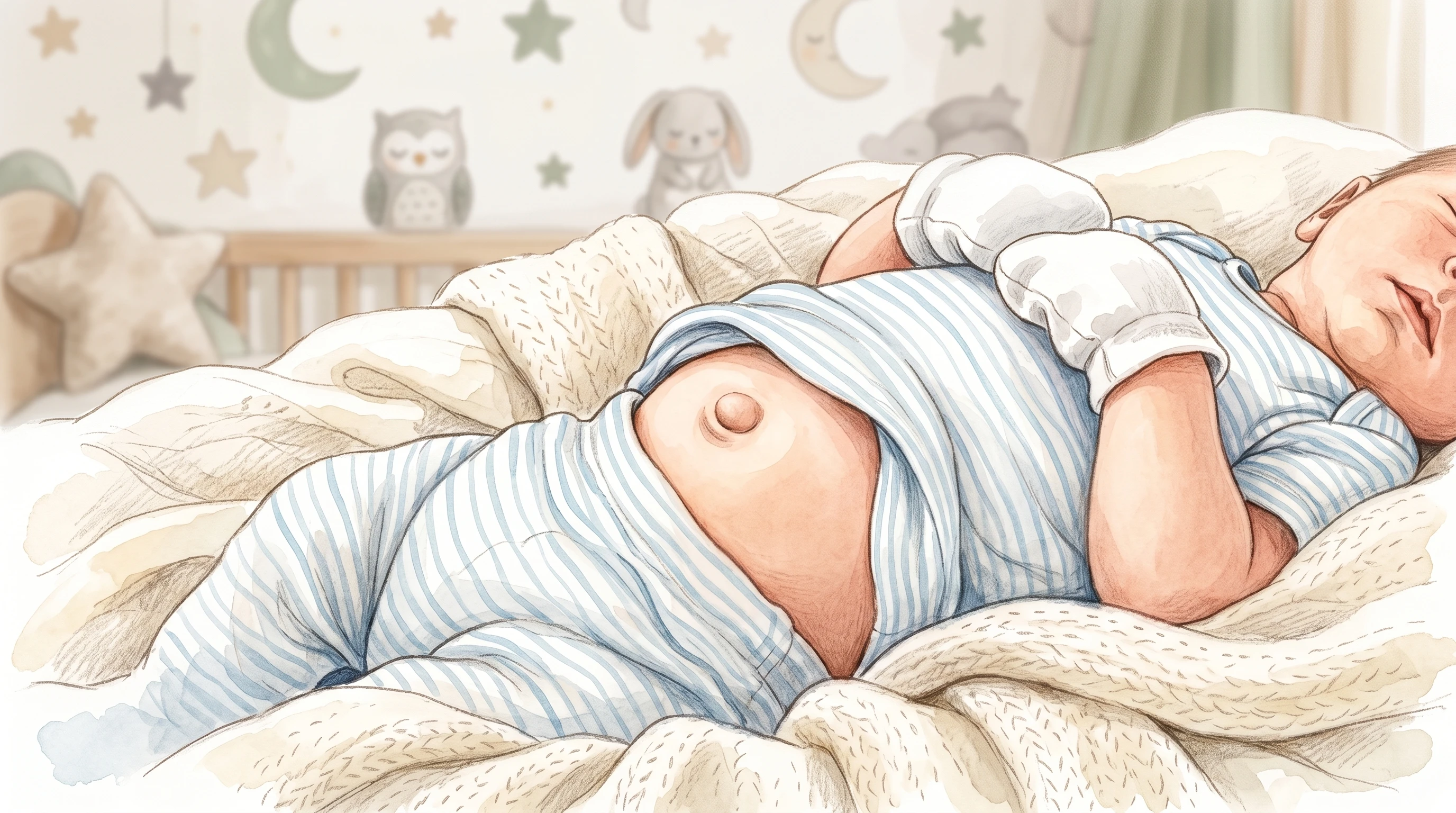
Right after birth, the umbilical cord (which connects your baby to you during pregnancy) gets clamped and cut. That leaves a small opening in the abdominal muscles where the cord passed through. Usually, those muscles close up naturally over a few weeks or months. Sometimes, though, the closure is a little delayed. If the gap stays open, a small part of tissue or even a bit of intestine can push through, making a soft bulge at the belly button. That’s what’s called an umbilical hernia.
The bulge may be most noticeable when your baby cries, coughs, or strains. It usually looks soft, round, and can be gently pressed back into the tummy. This is almost always harmless and doesn’t cause pain for the baby. In some cases, the bulge might nearly disappear when the child is calm or lying down. Parents sometimes notice it more after a bath or during diaper changes, so it’s good to regularly take a quick look at your baby’s navel area for anything new.
How Common Are Hernias in Newborns?
Umbilical hernias are actually pretty common in newborns and young babies. I’ve seen estimates suggesting that they show up in about 10 to 20 percent of all infants, and the numbers are even higher in babies born early (premature). The chance of a hernia seems to be greater for babies with lower birth weight or certain genetic backgrounds. Some studies point out that certain ethnic groups may also see a slightly higher rate of these hernias.
Most hernias appear within the first few weeks after birth. It isn’t something caused by the way you handle, feed, or care for your baby, so if you notice a bulge, it’s not because of anything you did. Instead, it’s all about natural muscle development, and you have no control over whether it happens.
Should Parents Be Worried?
The vast majority of umbilical hernias in newborns are nothing to panic about. For most babies, the hernia closes up on its own by the time they’re 1 or 2 years old. Sometimes, the process can stretch out a little longer, but even then, it rarely causes trouble. Some parents find it helpful to take photos every few months to watch how the hernia changes. Talk to your pediatrician if you feel unsure; doctors are happy to answer questions and put your mind at ease.
Doctors usually keep an eye on the hernia during regular checkups. As long as the bulge stays soft, painless, and you can gently press it back in, it’s generally safe to watch and wait. Surgery is only considered if the hernia is still there after 4 or 5 years, or if problems come up. So, in most cases, the hernia is something to be aware of, but not to lose sleep over. Parents sometimes worry that the bulge will burst, but that’s incredibly rare, especially if no warning signs are present and your doctor is monitoring things.
Main Complications: When Is It a Problem?
Even though problems with infant hernias aren’t that common, there are some situations that need quick attention. The biggest concern is when something called incarceration happens. This is when a bit of intestine gets trapped in the hernia opening and can’t slide back inside the tummy easily. If that part of the intestine gets stuck and the blood supply gets cut off, it’s called strangulation, which can be dangerous and needs fast treatment.
Complications are rare, but knowing warning signs is really important. Acting quickly if you spot trouble could make a big difference. It’s also good to remember that these complications can develop suddenly, sometimes after months of the hernia seeming harmless. Stay familiar with your baby’s baseline, and trust your instincts if you spot any sudden changes.
Warning Signs of Hernia Complications in Newborns
- Hard, Tender Bulge: If the bulge suddenly gets firm, swollen, or the skin above it looks red or bruised, that’s a red flag.
- Pain or Fussiness: Most umbilical hernias don’t hurt. If your baby is crying more than usual, seems in pain, or is super irritable when you touch the area, there could be a problem.
- Won’t Push Back In: If you can’t gently press the hernia back into the tummy like before, that’s another sign something changed.
- Vomiting or Swelling: If you notice vomiting (especially green or yellow), refusal to feed, or swelling in the belly, get help right away.
- Changes in Color: If the hernia bulge or the skin around it turns very dark or oddly colored, don’t wait—get your baby checked quickly.
Seeing any of these signs means it’s time to call your pediatrician or go to the nearest emergency room. Acting early keeps things safe for your baby and helps doctors step in before anything more serious develops. Most doctors would rather you reach out sooner than later, even if it turns out to be a false alarm. It is better to be cautious with young infants because their condition can change faster than in older children or adults.
Treatment Options and What to Expect
Almost all umbilical hernias close up on their own. Surgery isn’t usually needed unless there’s a complication or the hernia sticks around for several years. If surgery is needed, it’s a safe and fairly quick procedure. The belly button muscles are sewn closed, and most babies recover really well. Parents are often surprised at how quickly their child bounces back to their routine after the operation. The surgical scar is usually small and hidden in the natural folds of the navel.
Doctors don’t recommend taping coins or pads over the hernia—that’s old advice and doesn’t help the muscles close any faster. Plus, it could actually cause irritation or infection. Just keep the area clean and dry, and let your doctor know if the hernia changes at all. Occasionally, your pediatrician might show you how to gently press the hernia back during an office visit, but never try to forcefully reduce it at home. Painful manipulation can make things worse.
As your baby grows, if surgery becomes necessary, most children go home the same day. The risks and complications for umbilical hernia surgery are low, especially when performed by experienced pediatric surgeons. You can ask your doctor about what to expect in the days following the operation, including questions about bathing, feeding, and activity. Usually, children recover within a week and don’t need special restrictions afterwards.
Tips for Parents: Monitoring and Care
- Keep Regular Checkups: Your doctor will check the hernia as your baby grows. Keeping up with well-baby visits is the easiest way to spot any changes early.
- Watch for Symptoms: Be familiar with the warning signs mentioned above.
- No Extra Pressure: Don’t try to wrap, tape, or push the hernia down forcefully. Just gentle observation is enough.
- Comfort and Soothe: If your little one is fussy but the hernia seems fine, soothing and cuddling can help. Usually, the hernia itself isn’t painful unless complications are there.
- Document Progress: Taking photos periodically helps you and the doctor keep track of the size and shape of the hernia. This can be reassuring and useful if referral to a specialist is ever needed.
- Ask Questions: Never hesitate to ask your pediatrician about anything that concerns you. Even small changes or worries can be important in assessing your baby’s health.
Most doctors will give you specific information for follow-up, including when to come in for a check and how to get in touch if your child has symptoms at home.
Hernia Variations: Other Newborn Hernias
While umbilical hernias are the most common in babies, there are a few other types parents might hear about. Inguinal hernias happen in the groin and are less common but can cause more trouble. These are more likely in boys and usually need surgery to prevent complications. If you notice any abnormal swelling in your baby’s groin or a bulge that changes with crying or straining, talk to your doctor for guidance. Rarely, a baby can have both an umbilical and inguinal hernia, and these often require a different treatment approach. Always ask your doctor to break down the signs of less common hernias so you’ll be on the lookout for any new symptoms.
Frequently Asked Questions
Can my baby’s hernia come back after surgery?
Recurrence is rare, but it’s possible, especially in babies born prematurely or those with other medical conditions. Your child’s doctor can talk about long-term outlooks if surgery is needed. It’s a good idea to report any new bulge after surgery, even if it seems small or harmless, so it can be checked out quickly.
Will the hernia restrict my baby’s physical activity?
No, babies can move, roll, crawl, and explore as they normally would. The hernia doesn’t need special limits unless your doctor says otherwise. Active motion sometimes actually supports muscle development, which can be helpful in healing over time.
Are umbilical hernias preventable?
There’s nothing parents can do to stop a hernia from forming. It’s related to how the abdominal muscles develop before and just after birth, not anything moms or dads did during pregnancy or after delivery. Don’t blame yourself or feel guilty if your child has an umbilical hernia; it’s simply a part of their own unique growth process.
Final Thoughts: What Parents Need to Know
Spotting an umbilical hernia is pretty common when you’re raising a newborn, and in most cases, it’s something that goes away by itself. Complications are rare but knowing the red flags and keeping up with regular checkups takes a lot of worry off the table. If anything seems off, don’t hesitate to reach out to your doctor for advice; peace of mind is never a bad thing. For more info on newborn care and signs to watch out for, organizations like the American Academy of Pediatrics offer super helpful guides and updates. Staying informed and observing your baby helps you act fast if anything unusual pops up. Remember, most umbilical hernias heal without treatment, and your pediatrician will support you each step of the way as your little one grows.