Noticing small changes in your body early on can feel exciting, confusing, or both, especially if you’re wondering if you might be pregnant. The first month of pregnancy comes with subtle and sometimes surprising signs. Being able to spot these early pregnancy signs help if you’re trying to conceive or simply want to understand what’s going on with your body. In my experience, I knew I was pregnant 3 days after intimacy with my husband! Here’s an easy-to-read guide to what happens during the first month, including how to confirm pregnancy, common body reactions, symptoms you might feel, and what steps are worth taking next.
How Pregnancy Happens: A Quick Overview
Pregnancy starts when an egg released during ovulation is fertilized by a sperm. This usually happens in the fallopian tube. The fertilized egg then travels to the uterus, where it implants into the lining about 6–12 days after ovulation. Only then does your body start the complex changes that come with early pregnancy. For the first week or so, many women don’t realize anything is happening.
The first month of pregnancy is technically counted from the first day of your last menstrual period, not the date of conception. This means you could already be two weeks pregnant by the time fertilization happens. By the end of month one, the tiny bundle of cells that’ll become the baby is called an embryo and is busy growing and dividing, even though it’s smaller than a grain of rice right now. Imagine an embryo that size reeking so much havoc in your body. It is hard to imagine, but true.
First Signs of Being Pregnant
So many women say they “just knew” they were pregnant based on tiny changes even before missing a period. While everyone’s different, here are some pretty common signs in the first month:
- Missed Period: This is probably the most well-known clue. If your period doesn’t arrive as expected, especially if your cycle is usually predictable, this is often the first signal to suspect pregnancy.
- Spotting (Implantation Bleeding): Some people notice light spotting, often pink or brown, around the time the embryo attaches to the uterus. This usually happens about 6–12 days after conception and is much lighter than a usual period.
- Breast Changes: Soreness, swelling, or tingling feelings in your breasts can show up fast due to hormone surges. Nipples might look darker or feel more sensitive too.
- Tiredness and Fatigue: A sudden, deep tiredness is common in early pregnancy. Your body is producing more progesterone, which can leave you drained even after a good nights sleep.
- Frequent Urination: It may be surprising to be running to the bathroom more often. The growing uterus starts pressing on your bladder, and hormone changes also make you feel the urge to urinate more.
- Queasiness (Morning Sickness): Nausea can hit as early as week four. It doesn’t just happen in the morning. You might feel queasy at any time of day.
- Food Cravings or Aversions: Sudden desire for odd foods, or turning away from things you used to love, can show up quickly. Smell sensitivity can go way up, too.
- Mood Swings: Hormone changes mean emotions can switch up suddenly; one minute you’re overjoyed, the next minute something trivial has you in tears.
Body Reactions and Other Early Pregnancy Symptoms
Besides the big signs, there are some lesser-known symptoms a lot of women notice in the first month:
- Mild Cramping: Feels like period cramps but maybe lighter, caused by the uterus getting ready for baby growth.
- Bloating: High progesterone levels can make your abdomen feel puffy early on.
- Headaches: Changing hormones sometimes trigger headaches for women who don’t usually get them.
- Dizziness: Blood pressure can dip in the early weeks, causing a bit of light-headedness.
- Metallic Taste in Mouth: Some women notice a strange metallic taste, called dysgeusia, that wasn’t there before.
Picturing the Embryo in Month One
By the end of the first month, the embryo is about 1/4 inch long. At this stage, the beginnings of the brain, spinal cord, and heart are starting to form. It looks more like a tadpole than a person. There’s a teeny tiny tail (which goes away later), and basic body segments are just starting to show up. The placenta and umbilical cord are also in early development, which will nourish the embryo over the next months. https://www.acog.org has more on fetal development if you want to see science-backed details.
How to Confirm Pregnancy: Tests and Timing
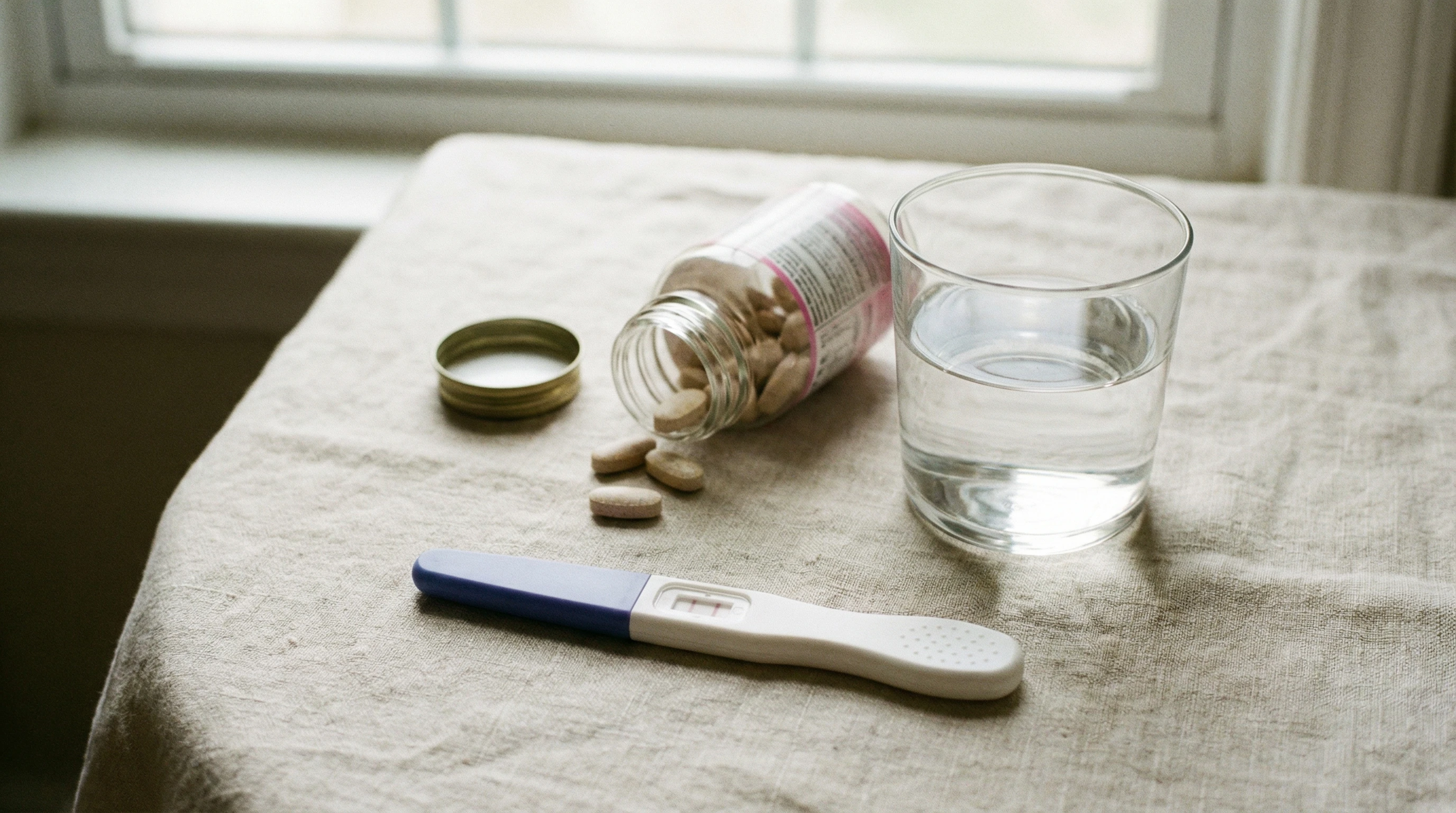
Home pregnancy tests work by checking for the hormone hCG (human chorionic gonadotropin) in urine. Your body only makes hCG after implantation, usually 6–12 days after fertilization. Most women can get a fairly accurate result with a home test after a missed period.
If you’re excited or anxious, you might want to test sooner. Super sensitive tests promise detection a couple of days before your missed period, but results can be a bit shaky that early. If you get a negative result but still suspect pregnancy, wait a few days and try again. For women with irregular periods, testing two weeks after possible conception usually gives a clearer answer.
A blood test done at a doctor’s office can confirm pregnancy even earlier and is sometimes used if you need an answer fast or if you’re dealing with fertility treatments.
Starting Pre-natal Vitamins: What to Take in Month One
Most healthcare providers recommend starting pre-natal vitamins as soon as you’re trying to conceive or when you find out you’re pregnant. The biggest reason is folic acid, which helps lower the risk of birth defects, called neural tube defects, that can develop really early, often before you know you’re pregnant.
A good pre-natal vitamin usually contains:
- Folic Acid (at least 400–800mcg): Very important for brain and spine development.
- Iron: Supports your body’s increased need for blood as pregnancy progresses.
- Calcium and Vitamin D: Help your body build bones and teeth for your baby.
- Vitamin B6 and B12: Can help reduce queasiness and support healthy development.
- Iodine: Helps babys brain and thyroid grow properly.
Fish oil (DHA and EPA) can also be helpful if you don’t already eat a lot of fatty fish, but always check with your doctor/healthcare provider or midwife on what’s best for you. Pre-natal vitamins are readily available.
When to See a Doctor (And What Happens Next)
If you’ve had a positive pregnancy test, go ahead and make an appointment with your doctor, midwife, or other healthcare provider. A first pre-natal visit often happens around 8 weeks since your last period, but call sooner if you have questions, concerns, or any symptoms you’re not sure about (especially heavy bleeding, severe pain, or dizziness).
Your provider will:
- Review your medical history
- Do a physical exam
- Confirm the pregnancy (sometimes with another test or an early ultrasound)
- Discuss lifestyle adjustments, like nutrition, exercises, and what to avoid
- Talk about next steps for your pregnancy care
Seeing a healthcare provider early makes it easier to spot any potential issues and get useful advice on wellness throughout pregnancy. You’ll also get information on what’s safe for you and your baby, resources for support, and what you might want to ask about during future visits.
First Month Pregnancy FAQ
These are some of the most common early pregnancy questions I hear about the first month:
- How soon do symptoms show up after conception?
Some women notice subtle changes as early as one week after conception, but for most folks, big signs like a missed period show up around week 4 or 5.