
As an Amazon Associate, I earn from qualifying purchases.
Car seat safety is a topic many parents worry about, yet with so many types of seats, complicated installation rules, and guidelines that always seem to change, it’s easy to feel overwhelmed. That’s where a certified car seat technician becomes a real asset. In this article, you’ll find everything you need to know about finding and choosing a helpful car seat technician: what they do, how certification works, when to reach out for their expertise, and how to make sure you pick someone who’s the right fit for your family.
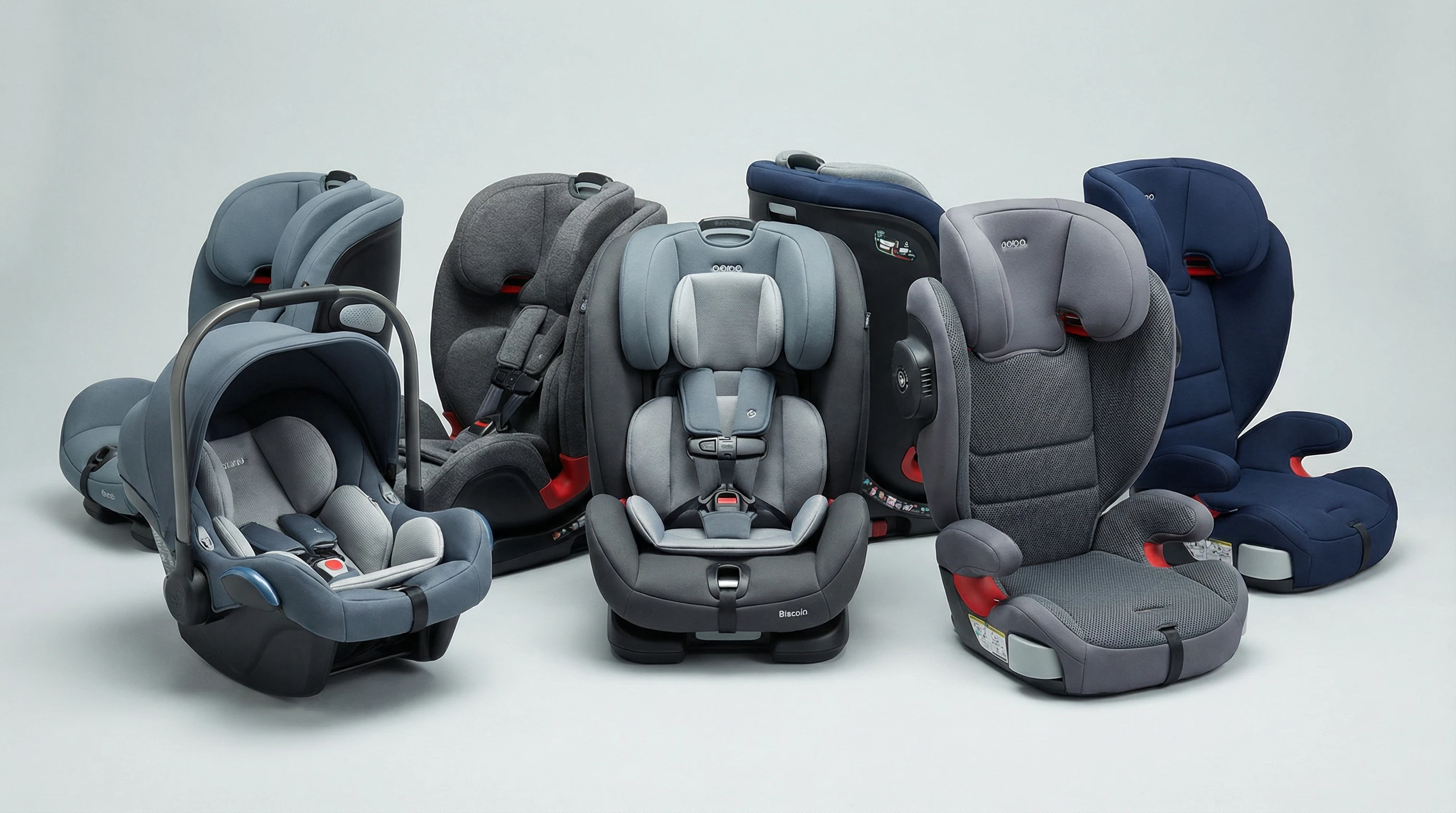
What Is a Car Seat Technician and Why Should You Use One?
Car seat technicians, also called Child Passenger Safety Technicians (CPSTs), are trained pros who teach parents and caregivers how to use and install car seats the right way. It may look easy, but most car seats are far more complicated than they first appear. In fact, studies confirm that a huge percentage of seats are installed wrong—even when parents believe they’ve done it perfectly.
Working with a technician doesn’t just help with peace of mind; it can actually cut the risk for your child in the event of a crash. Technicians spot the tiny installation details, harness mistakes, and seat compatibility issues that parents often miss. Local fire stations, police departments, and hospitals frequently offer these services, and many technicians now operate private businesses or run events at community centers.
How Car Seat Technicians Get Certified
Car seat technician certification in the U.S. is organized by Safe Kids Worldwide, using a nationally recognized child passenger safety program. Technicians must complete a thorough 3- or 4-day course led by certified instructors. Here’s what the training covers:
- Child Development: How children’s bodies differ from adults’ when it comes to car crash protection.
- Car Seat Types and Uses: Getting familiar with the huge range of seat options, from infant carriers to boosters.
- Installation Practice: Practical, hands-on training for installing car seats with seat belts and LATCH anchors in many different vehicles.
- Problem Solving: Handling tough scenarios, such as missing parts, uncommon vehicle models, or special needs cases.
- Teaching Skills: How to explain car seat safety to families in plain language.
Afterward, technicians must pass a written exam and a hands-on skills check. To remain active, techs have to stay current on best practices with ongoing education and re-certify every two years. This keeps their knowledge sharp and up-to-date, so you get the very latest safety advice with every visit.
What Technicians Know That Most People Don’t
Even the most careful parents may not get every detail right—car seats are trickier than expected. Car seat technicians know to look for things that others overlook:
- Proper Installation: Ensuring there’s less than one inch of movement at the belt path; a loose car seat is a frequent error.
- Correct Harness Fit: Making sure the harness is snug and sits at the right height: level with your child’s shoulders or armpits, depending on the seat.
- Recalls and Expiry Dates: Watching out for expired or recalled seats that can be unsafe, regardless of appearance.
- Lock-Offs and Locking Mechanisms: Each seat and vehicle may need a unique method to secure the seat belt, and using the wrong system could be dangerous.
- LATCH Rules: Helping families sort out when to use lower anchors and when they need to switch to the seat belt—vehicles and seats have distinct weight limits and guidelines.
- Best Practices by Age and Weight: Giving guidance on when to go from rear-facing to forward-facing, then to a booster, based on your child’s size and safety—not just their age.
- Angle and Recline Guidelines: Setting the seat to the right angle for your baby’s airway and comfort, an easy detail to miss without help.
When You Should Use a Car Seat Technician
It’s a common misconception that you only need car seat help before your first baby arrives. In fact, several moments make a technician valuable:
- Before Your Baby Is Born: Set things up prior to your hospital trip, to avoid last-minute stress.
- Switching Seats: Changing from an infant carrier to a convertible or from a harness to a booster seat.(Before you buy a new seat, you can make sure your baby hasn’t already outgrown their current one by checking our complete guide on Infant Car Seat Weight and Height Limit.
- After an Accident: Deciding if your seat needs replacing after even a minor collision.
- Getting a New Car: Each vehicle can present new challenges—different angles, latches, or seat designs may affect installation. Each vehicle can present new challenges—different angles, latches, or seat designs may affect installation. (This is especially true if you are trying to puzzle together multiple seats in a smaller backseat or figuring out a 3-across setup!)
- Travel Prep: Planning to fly, bring a seat on vacation, or use a rental car? A tech can help you figure out how to set up the seat somewhere unfamiliar.
- If You’re Unsure: Any time you wonder about your child’s comfort or safety in the seat, a pro check can help set your mind at ease.
The truth is, whenever questions pop up—no matter how simple—a quick check-in with a technician usually sorts it out fast.
How to Find a Certified Car Seat Technician Near You
Luckily, it’s easy to track down a certified car seat technician. Safe Kids Worldwide offers a comprehensive online locator for the U.S. and Canada. Enter your ZIP code to view a list of nearby technicians, their workplaces (think hospitals, fire stations, private businesses), contact numbers, and even language options.
The National Highway Traffic Safety Administration (NHTSA) runs another search site. Some larger inspection events (like “car seat check-up days” at the mall) are posted here and are free for all families.
Can’t find someone nearby at first? Check with your pediatrician, local birthing center, or police/fire department. They often have the latest information or can direct you to a certified technician on their staff.
Picking the Best Car Seat Technician for Your Family
Technicians can vary in experience, focus, and approach. Here’s what to consider when making your choice:
- Certification: Confirm their certification is current; you can request their ID or check through the Safe Kids website.
- Experience Level: Some specialize in newborn installations, while others are pros at handling three children in a backseat or unique medical needs.
- Location and Flexibility: If you prefer, look for someone who makes house calls or offers evening and weekend hours.
- Communication Style: The best technicians answer questions in clear, nonjudgmental ways that make you comfortable with the process.
- Language Options: If your family is more comfortable in another language, search for a tech who can offer consultation in that tongue.
- Fee Structure: Most public safety techs and events are free, but private consultants may charge $40–$100 per appointment. Always ask what’s included—follow-up help and hands-on instruction can be worth it.
Don’t hesitate to ask questions before booking. The right technician should help you feel confident and supported throughout the process.
What Happens During a Car Seat Check?
Expect a relaxed, hands-on learning session that usually takes 30–45 minutes. Here’s what generally happens during your appointment:
- The technician asks about your child’s age, height, weight, and any special health considerations that affect seat choice.
- You demonstrate how you’ve installed the seat and buckled your child in (if they’re present).
- The technician looks for missing parts, recalls, or expiration dates on your seat.
- They inspect the installation and demonstrate corrections, giving you the chance to do each step so you learn by doing.
- You get tailored tips on buckling, rethreading harnesses, and signs that indicate it’s time to move to the next seat stage.
Many technicians also share checklists, handouts, or links to helpful resources, so you can reinforce what you learned at home.
Common Mistakes Parents Make (and How a Technician Fixes Them)
Even experienced parents get tripped up by some of these frequent slip-ups. Here’s what techs often see, plus the fixes:
- Loose Installations: A technician will teach you to put your knee in the seat to apply pressure while tightening, so the seat feels rock-solid.
- Harness Too Loose or Positioned Wrong: They’ll share the “pinch test” for a secure fit and show how to correctly adjust harness height as your child grows.
- Unsafe Accessories: Aftermarket inserts or toys impact crash safety. Technicians guide you on what’s crash-tested and what to skip.
- Moving Up Too Soon: Many families switch from rear-facing to forward-facing, or to a booster, before their child has outgrown the seat. Techs explain why extended rear-facing is safest and show you how to check current limits.
- Seat Belt Threading Errors: Many seats have multiple belt paths, and it’s surprisingly easy to use the wrong one. Techs ensure you’re secure for your seat’s current stage.
Extra Tips to Make the Most of a Car Seat Check
- Bring your child along if possible, so the tech can do a customized fit check.
- Have your car manual and car seat instructions within reach. Some techs even recommend watching a setup video ahead of time to pinpoint where you felt lost.
- Choose a time when you’re not rushed. Practice makes perfect—give yourself the space to get comfortable and ask every question on your mind.
Frequently Asked Questions About Car Seat Technicians
How much does it cost to visit a car seat technician?
Most car seat checks are free at hospitals, fire stations, or public safety events. Private consultants sometimes charge $40–$100, but the cost covers a complete install, instruction, and follow-up if needed.
Do I need to check with a technician every time I change car seats?
If you feel sure of your work and have read the instructions closely, you might skip it. But experts say a check is wise for each new style of seat, car, or big milestone, like switching to a booster.
Is it necessary for an older child in a booster?
Booster-age kids can still benefit. Technicians have helpful tips on snug fit, knowing when a child is tall enough for a seat belt alone, and avoiding common mistakes, so it’s worth the checkup.
Wrapping Up: Why Using a Car Seat Technician Matters
Choosing to work with a car seat technician means getting expert, up-to-date advice in a world where child safety can often feel confusing. These professionals stay on top of new standards and bring sharp attention to details, showing parents how to keep their kids safe while traveling. Instead of second-guessing yourself, you get a clear, supported path to making confident choices.
Connecting with a technician before your first drive, after a major switch, or just anytime you have a question can erase a lot of worry. And remember, handy tools like Safe Kids’ locator or NHTSA’s finder can link you to someone qualified and ready to help. No matter where you find yourself on your parenting adventure, a car seat technician gives your family’s safety a real boost. Use one if you have any hesitation at all. It could just save a life.