This post is part of The Ultimate Month by Month Pregnancy Guide. If you are interested in the step by step breakdown, view the roadmap here. The Ultimate Month-by-Month Pregnancy Guide: What To Expect
The 3rd month of pregnancy is when things start to feel realistic for many parents-to-be. The notion that you are going to be parents starts to hit home. There’s a lot happening inside your body, and your baby is growing at a pretty fast pace. As your first trimester wraps up, knowing what’s normal and what isn’t can ease your mind and expectations. I’m breaking down what to expect this month, from symptoms you might notice, to food choices, exercise, and what’s up with your baby’s development inside the womb.
What Happens to Your Baby in the 3rd Month of Pregnancy
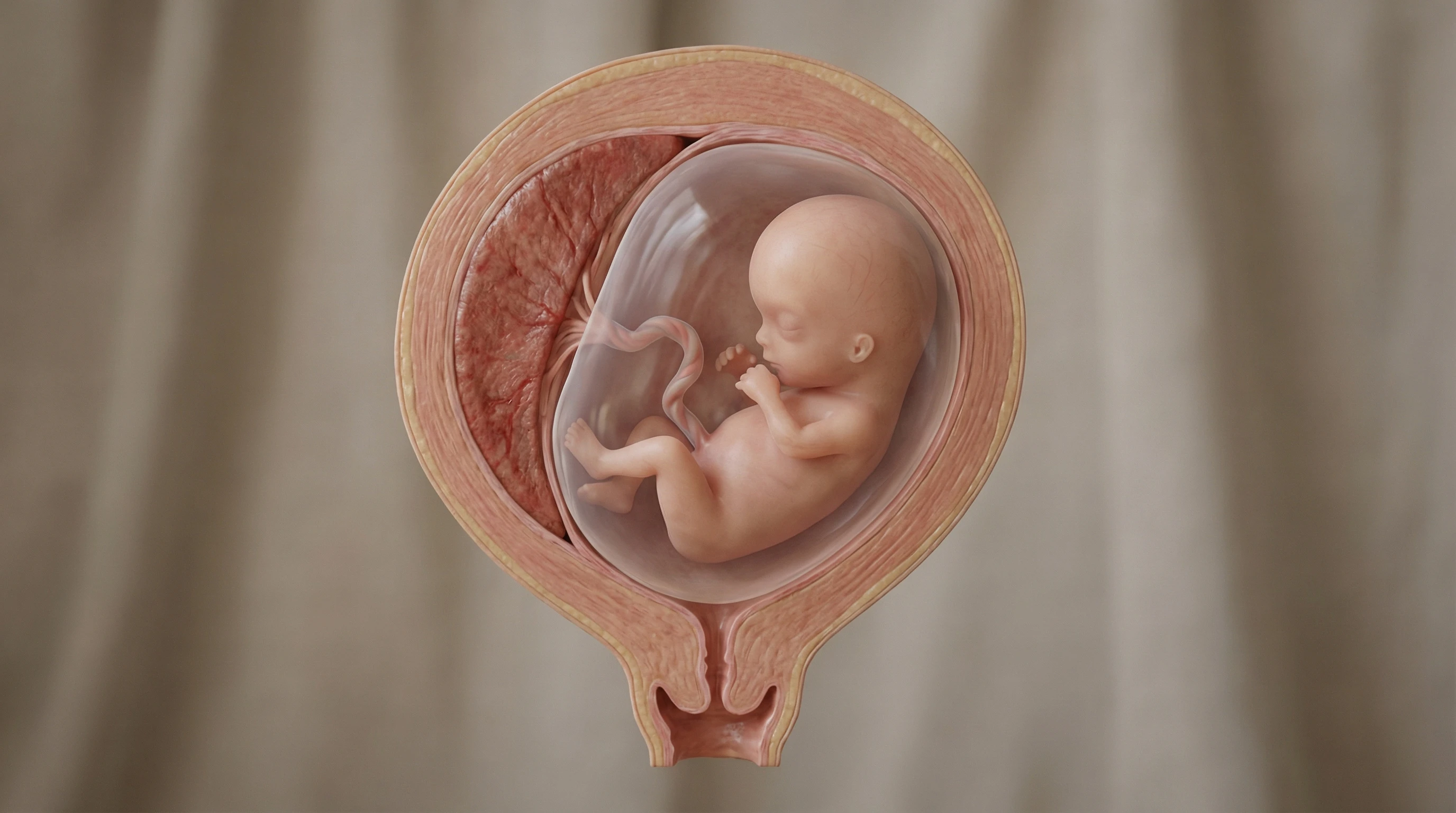
During the third month of pregnancy, your baby goes through some big changes. At the start of the month, your little one is about the size of a lime. By the end, they’re closer to a plum or even a peach—usually about 2.5 to 3 inches (6-7.5 cm) long and weighing around 0.5 ounces (14 grams). Even though that’s still tiny, the change from the previous month is pretty amazing.
By week 12, nearly all major organs and body systems have formed, and the most important groundwork for the rest of the pregnancy is now in place. Fingers and toes have separated, little fingernails are starting to grow, and tiny teeth buds are developing under the gums. Your baby’s face is getting more defined, with eyes that are set closer together, a tiny nose, and even the start of ears and a chin.
Muscles are also starting to work. The baby’s body can make small, random movements, like flexing arms and legs, even if you can’t feel them yet. Genitals start to form around this time, but it’s usually too early to tell the sex through an ultrasound. Inside, kidneys begin to create urine, which is released into the amniotic fluid. The intestines also move into their final spot inside the abdomen. All these details might sound a bit scientific, but they really just show how much the baby is maturing this month. A baby in utero is truly a miracle!
Common Symptoms and Problems During the 3rd Month
The third month brings a mix of symptoms that can feel a little different from earlier weeks. Some women start to notice things easing up, while others feel like things are getting taken up a notch. Every woman is different, and our experiences will be different. Here are a few things you might notice:
- Nausea and vomiting: For some, “morning sickness” may start tapering off by the end of this month. For others, it might still be hanging around.
- Fatigue: Tiredness can still hit hard. Your body is working overtime, so listen if you feel like you need to rest.
- Frequent urination: This one sticks around throughout your pregnancy, thanks to hormone changes and a growing uterus pressing on your bladder.
- Food cravings or aversions: Suddenly hating your favorite snack isn’t unusual, and you might develop surprising cravings, too. Chocolate covered Cherries, anyone?
- Mood swings: Hormones can take your emotions on a bit of a rollercoaster.
- Headaches or dizziness: These can pop up, sometimes because of lower blood sugar or blood pressure changes.
- Breast changes: Breasts might still feel sore and larger as your body prepares to feed your baby at birth.
Solutions for Typical 3rd Month Pregnancy Symptoms
While these symptoms can be a hassle, a few tips can help you handle them with confidence.
Nausea: Eating small meals throughout the day helps, and keeping snacks like crackers nearby can settle your stomach. Avoid greasy or spicy foods if they cause indigestion
- Fatigue: Try to get more rest, sneak in naps when you can, and keep your schedule lighter if possible.
- Headaches: Staying hydrated and eating regular meals can help. If you need to, check with your healthcare provider about what pain relievers are safe.
- Frequent urination: There isn’t much to do except make sure bathrooms are handy, but drinking plenty of water still matters.
- Mood swings: Keeping routines, talking it out with friends, or even short walks can really help level things out.
What to Eat and What to Avoid During the 3rd Month
Your baby’s organs and body systems are forming, so what you eat starts to make even more of a difference. There are some foods you’ll want to reach for, and some you’re better off skipping for now.
Foods to Eat
- Whole grains: Brown rice, oats, and whole wheat bread offer steady energy and important fiber.
- Lean protein: Chicken, tofu, beans, and eggs support your baby’s growth without loading you up with unhealthy fats.
- Fresh fruits and veggies: These give you plenty of vitamins and minerals, plus help with digestion and hydration.
- Dairy or calcium rich foods: Milk, yogurt, and fortified plant milks add needed calcium for your baby’s bones.
- Healthy fats: Avocados, nuts, and olive oil bring flavor and nutrients.
Foods to Avoid
- Raw or undercooked eggs and meats: Risk of salmonella and other foodborne illnesses goes up.
- Deli meats and unpasteurized cheeses: These can sometimes carry bacteria like listeria, which is risky during pregnancy.
- Certain fish: High mercury fish like shark, swordfish, marlin, and king mackerel are better avoided. Cooked low mercury fish like salmon or tilapia are good sources of protein and omega3s.
- Too much caffeine: Most experts suggest sticking to less than 200mg a day (about one regular cup of coffee).
- Alcohol: It’s safest to avoid entirely while pregnant.
Vitamins and Supplements
Taking a quality pre-natal vitamin is really important right now. You’re looking for one with:
- Folic acid: At least 400-600 mcg helps lower the risk of some birth defects.
- Iron: Helps both you and your baby make new blood cells.
- Calcium and vitamin D: These support strong bones for both of you.
- DHA: This omega3 fatty acid, usually found in fish oil, is great for brain and eye development. Some pre-natal vitamins include it, or you can ask your healthcare provider for options.
If you have any special dietary needs or allergies, mention them to your OB or midwife. They can recommend personalized supplements or nutrition tips.
Exercise During the 3rd Month
If your doctor hasn’t told you otherwise, moderate physical activity is generally safe and even helpful at this stage. Staying active can lift your mood, give a boost to your energy, and help with common aches or sleep issues.
Exercise Tips
- Walking: Easy, safe, and keeps you moving—anywhere, any time.
- Prenatal yoga or stretching: These can help with flexibility, stress relief, and minor aches.
- Swimming: The water supports your weight, so it feels really good as your belly grows.
- Pilates: There are prenatal specific classes designed for pregnancy safety.
High impact sports, activities that risk falling (like horseback riding, skiing, or biking outdoors), and anything that could cause blows to the belly are best avoided. Always check in with your care team before starting something new.
Sex During the Third Month
Unless your provider says otherwise (maybe due to a specific, high risk situation), sex during the third month is generally safe. Many women notice their desire changes with hormone shifts, and some may experience light spotting after sex, which is usually harmless. If you notice heavy bleeding, pain, or anything that feels off, your healthcare provider can help you decide what’s next.
Miscarriage Risk in the 3rd Month
The risk for miscarriage is highest in the first trimester. Statistically, it’s around 10-15% for confirmed pregnancies, with most pregnancy losses happening in the first 12 weeks. Once the heartbeat is detected via ultrasound and you enter the 3rd month (weeks 9-12), that risk drops quite a bit; often to about 2-5% by the end of this month.
Common miscarriage signs are heavy bleeding, severe cramping, and passing tissue. However, plenty of early pregnancy symptoms—like mild cramping and light spotting—are very normal. If you’re nervous or unsure, bringing up any symptoms with your provider can bring reassurance and guidance.
What Does a Fetus Look Like in the 3rd Month?
A fetus at this stage gets a lot of your attention in check-ups and ultrasounds. While you likely won’t see as much detail in an at home photo or a standard ultrasound, medical imagery gives you an idea. The head is still proportionally big compared to the body, but arms, legs, hands, and feet are visible, and tiny facial features have started to take shape.
On an ultrasound, you might notice the baby move, stretch, or even seem to put a thumb in their mouth. The fetus swims in amniotic fluid, which protects and cushions them as they grow bigger each week.
Frequently Asked Questions About 3rd Month Pregnancy
What’s the biggest change this month?
The baby develops human features and finishes the key steps in forming organs and body parts. That’s also why healthy eating, rest, and good pre-natal care really count right now.
Is it normal to still feel super tired?
Yes. Fatigue is really common, and for many women, it starts to fade a little as the first trimester wraps up. Until then, give yourself time to rest and recover.
Can I travel during my 3rd month?
Travel is usually ok, but always check with your doctor. If you have no complications and feel up for it, flying and car trips usually aren’t a problem in early pregnancy, but you’ll want to stretch, move around, and stay hydrated.
When will everyone be able to tell I’m pregnant?
Some women show earlier than others. It depends on body type, muscle tone, and whether this is your first pregnancy. Usually, most women start to notice a small bump somewhere after week 12, while others may not until later on.
Helpful Tips for the 3rd Month of Pregnancy
- Keep up with pre-natal appointments and ask all your questions, even if they feel silly.
- Eat balanced meals and snacks to help with nausea, support your baby’s growth, and keep your energy up.
- Find ways to rest and recharge, like movies, podcasts, or simple stretches.
- If you feel anxious, reach out to someone trustworthy, or consider a pregnancy support group or counselor for advice and reassurance.
- Celebrate making it through the first trimester; it’s a big milestone for you and your baby!
Pregnancy in the third month is a time of rapid change but also the start of routines and habits that can set you and your baby up for a healthy, happy adventure ahead. Every person’s experience is different, so focus on what works best for you and follow your care provider’s advice when you need personal guidance.