
This post is part of The Ultimate Month by Month Pregnancy Guide. If you are interested in a step by step breakdown, view the roadmap here. The Ultimate Month-by-Month Pregnancy Guide: What To Expect
Navigating the second month of pregnancy brings a whole new set of changes, both for your body and for your growing baby. Whenever I chat with someone about this stage, I always like to highlight that it’s a time packed with rapid development and a mix of symptoms that can catch you off guard. This is when things truly start moving behind the scenes. Even if you might not be showing yet, your body is definitely hard at work.
What’s Happening with Baby Development During the Second Month?
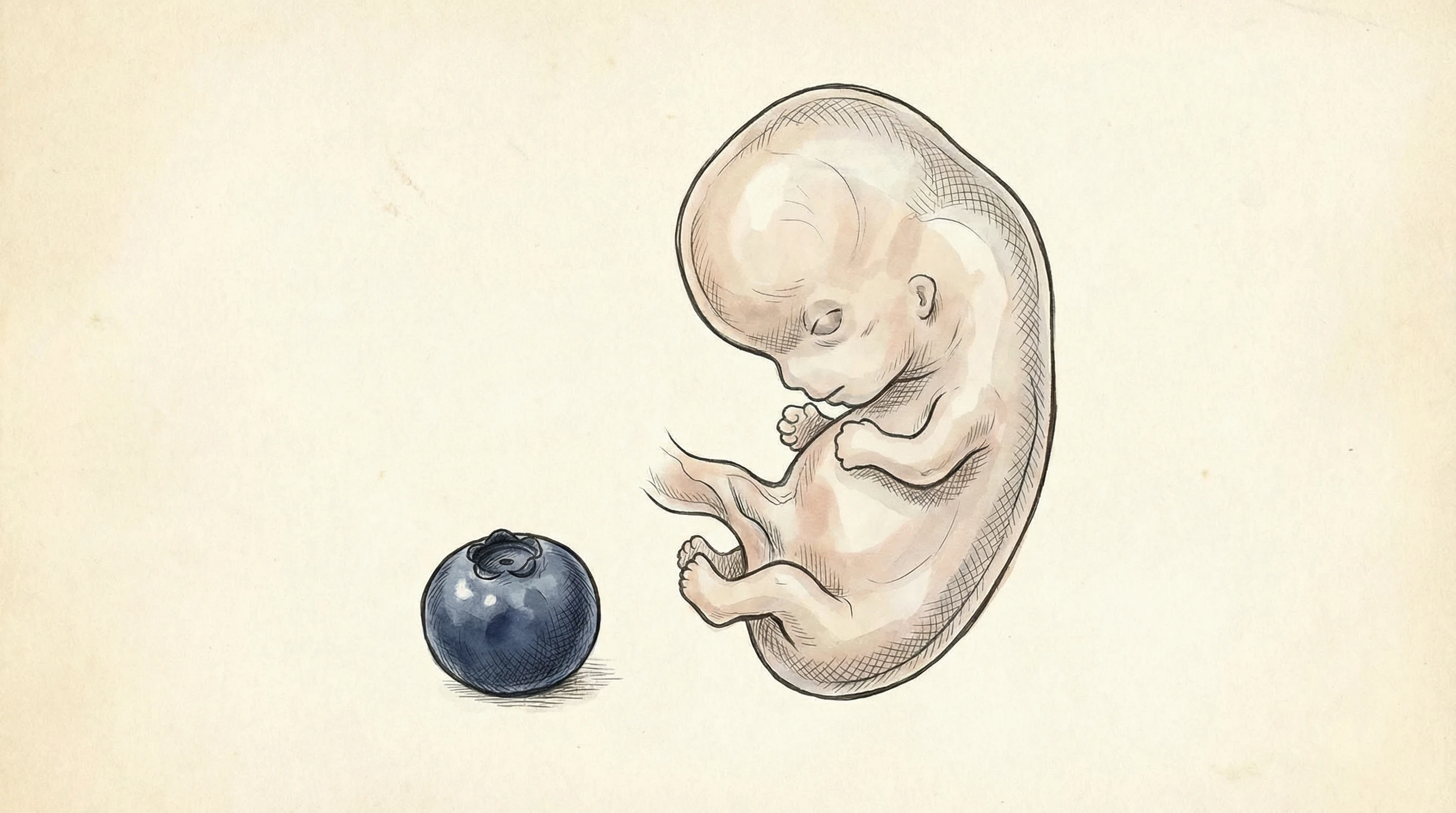
By the second month, your little one isn’t just a simple cluster of cells anymore. Around week five through week eight, the embryo experiences major changes. The heart begins to beat, which can be seen on an early ultrasound. During this exciting time, the baby’s brain, spinal cord, and early digestive system all begin to form. If you could view the embryo under a microscope, you’d spot the beginnings of arms and legs as small bumps, and even see the earliest facial features, like eyes and nostrils, starting to take shape.
Toward the close of these four weeks, the embryo measures about the size of a kidney bean or blueberry—roughly one to two centimeters. Even though that’s tiny, vital organs are busily forming. Fingers and toes begin as small paddles, and there’s a tail-like structure that will fade away as your baby continues to develop.
How Big Is Your Baby in the Second Month?
Many people get curious about the baby’s size. In the second month, the embryo starts at about the size of a sesame seed (week five) and grows to around a kidney bean or blueberry by week eight. That’s about half an inch long, although every baby grows at its own pace. Growth happens fast, so each week brings fresh features and slight changes in shape. You won’t feel any movement just yet, but trust that a lot is happening inside your body.
Symptoms You Might Notice in the Second Month
This stage often brings more pronounced pregnancy symptoms. If you’re like me, you may find some or all of these showing up:
- Nausea or Morning Sickness: Nausea doesn’t only strike in the morning; sometimes it lasts the entire day. My nausea started at 2 A.M. every morning and lasted until 5 A.M. It continued for almost exactly 3 months! Scents you used to love might suddenly make you queasy, especially perfume or seafood.
- Fatigue: Feeling exhausted is common. Your body puts in overtime to support early growth, which can sap your energy. I was working, so I either went to my car and took a short nap at lunch, or, if I had to stay in the office, I would go in the copy room and lay down on the floor. I was that tired!
- Frequent Bathroom Trips: That growing uterus adds extra pressure to your bladder, so expect to visit the restroom more often. This is really annoying if you have to work!
- Sore or Tender Breasts: Hormones can make your breasts swell and feel sensitive.
- Food Cravings or Aversions: You might be drawn strongly to certain foods or find they completely make you nausious.
- Mood Swings: Those hormone changes can put your mood on a rollercoaster. Warn your partner!
Tips for Handling Common Symptoms
These symptoms are a normal part of early pregnancy, but there are some great ways to handle them. Here are some tips that can help.
- Nausea: Stick to small, frequent snacks;. crackers, toast, or dry cereal can calm your stomach. Ginger tea or ginger candies are worth checking out for extra relief. I kept apple slices and cheese on my nightstand, and ate these as soon as I awoke at 2 A.M.
- Fatigue: Rest whenever you can and keep your sleep schedule steady. If you need a nap, go for it—your body is putting in serious work.
- Frequent Urination: Don’t hold back on fluids; hydration is crucial. If night bathroom visits wake you, try limiting drinks at least an hour before bed.
- Breast Tenderness: Supportive, well-fitting bras can make breasts much more comfortable.
- Cravings and Aversions: Eat what you can and don’t stress over a perfectly balanced diet right now. You can always add more variety as your appetite increases.
Vitamins and Foods That Support Baby’s Growth
Nutrition is really key during the second month. A good pre-natal vitamin provides folic acid, iron, calcium, and other nutrients essential for your growing baby. Folic acid is especially important for healthy brain and spine development.
Pair your supplements with these nutrient-rich foods:
- Leafy Greens: Spinach, kale, and broccoli offer folate and calcium.
- Whole Grains: Whole wheat bread, oats, and brown rice deliver fiber and long-lasting energy.
- Lean Protein: Foods like chicken, tofu, fish (stick to low-mercury types), eggs, and beans feed your baby’s rapid growth.
- Dairy Products: Milk, cheese, and yogurt give you extra calcium and protein.
- Fruits: Berries, bananas, oranges, and mangos pack in vitamins, hydration, and can help relieve nausea with their flavors.
Make sure you’re drinking enough water—about 8 to 10 glasses daily. If you’re thirsty, grab another glass. Staying hydrated makes a meaningful difference in how you feel.
What to Avoid During the Second Month
Some foods and habits are best left out during this stretch. Here’s a helpful list:
- Alcohol: Even a small amount might impact development, so it’s safest to skip it entirely.
- Smoking and Secondhand Smoke: These raise the risk of miscarriage, birth defects, and low birth weight.
- Raw or Undercooked Foods: Stay away from raw meats, eggs, and raw fish to protect yourself from infection.
- High-Mercury Fish: Shark, swordfish, king mackerel, and tilefish are best avoided. Choose salmon, tilapia, or shrimp instead.
- Unpasteurized Dairy: These can carry harmful bacteria that increase risks in pregnancy.
- Very High Caffeine: Limit caffeine to less than 200mg a day—about one 12-ounce cup of coffee.
- Limit sugar intake. I was a coca cola drinker. My doctor limited me to one coke a week.
Precautions to Take for a Healthy Second Month
Staying healthy now is about more than just what you eat. Keep these practical tips in mind:
- Pre-natal Appointments: If you haven’t scheduled your first checkup, now’s the time. Your doctor or midwife will look for a heartbeat, assess your overall health, and answer your questions.
- Safe Medications: Double-check with your provider before taking any over-the-counter meds or herbal supplements. Be honest about what you take. Also discuss any medications you take regularly for diabetes, high blood pressure or other long term issues you may have.
- Exercise: Gentle forms of movement like walking, swimming, or pre-natal yoga are usually safe. Just steer clear of high-risk sports or anything that could lead to falls. Be careful, if you wear heels, as they can cause you to trip or fall. It is best to convert to flats or other flat lace-up shoes.
- Rest: Carving out time to rest supports both your energy and your overall well-being.
- Stress Management: Try out light meditation, deep breathing, or hobbies you enjoy. Managing stress is a win for both you and your baby. A massage can also be quite refreshing in the early months.
Wearing comfortable clothing and shoes, keeping a bottle of water nearby, and finding extra time for relaxation can help you adjust to all the new changes happening within your body.
Risk of Miscarriage and How to Lower It
Miscarriage affects about 10–15% of pregnancies, most often during the first trimester. In the second month, miscarriage commonly ties back to genetic or developmental reasons that can’t be prevented. However, you can cut down on preventable risks with a few key habits:
- Avoid Smoking and Alcohol: Both are linked to miscarriage and birth problems. Also, stay away from anyone that smokes, when they are smoking. Second-hand smoke is just as damaging. My husband smoked, and we agreed that he would go out on the front porch to smoke. We did not even want the smoke in our house. He only smoked in his company car also.
- Manage Chronic Conditions: If you have diabetes, thyroid disease, or high blood pressure, sticking to regular appointments and managing your health reduces your risk.
- Avoid High-Risk Activities: Skip contact sports, anything considered dangerous, and heavy lifting for now.
- Watch for Infections: Wash your hands often and steer clear of people who are sick.
If you ever experience heavy bleeding, severe cramps, or unusual discharge, it’s smart to reach out to your healthcare provider/doctor/midwife right away.
Body Changes You Might Experience
The second month brings quite a few body changes, most pushed along by those early pregnancy hormones:
- Bloating: Your digestion slows down, making your waistline feel a bit rounder—even while the baby is still itty-bitty.
- Feeling Gassy: Hormones causing the digestive system to relax may lead to extra gas or constipation.
- Skin Changes: Some people get that “pregnancy glow” (me) thanks to increased blood flow, while others notice more acne (my sister).
- Spotting: Light spotting is normal, but heavy bleeding means a quick visit to the doctor is needed.
- Weight: Many people gain a pound or two, or sometimes none. Nausea can even make some lose weight for a short while. If and when the nausea goes away, your weight will probably stabilize.
Most of these changes are manageable, especially if you remember to rest and drink plenty of water along the way. Wearing comfy clothes and eating small meals often makes a difference, too.
Frequently Asked Questions About the Second Month of Pregnancy
How soon does the babys heart start beating?
By the start of the second month—around week five or six—the tiny heart can usually be picked up beating on an ultrasound scan.
Is spotting normal in the second month?
Light spotting isn’t unusual, but heavy bleeding or pain should be discussed with a doctor or midwife just to be on the safe side.
Can I exercise during early pregnancy?
Gentle movement such as walking or yoga is usually fine. Avoid anything strenuous or that puts you at high risk. Always check in with your healthcare provider/doctor/midwife if you’re uncertain.
What if I have severe nausea and can’t keep food down?
Severe nausea (called hyperemesis gravidarum) should be checked by your healthcare provider/doctor/midwife. Sometimes medication or IV fluids are needed to maintain hydration and nutrition.
Every pregnancy has its own rhythm, and these early weeks set the stage for what’s ahead. Keeping up with your appointments, caring for yourself, and asking questions when things feel off can help you feel more confident as you get through the second month.