
Cryptic pregnancy is a topic that often sparks a lot of curiosity and confusion. It’s a type of pregnancy that goes undetected for months, sometimes all the way until labor begins. For anyone who’s ever wondered how this even happens, I’m breaking down everything I know—from the symptoms and psychological factors to how common it really is, what you can do after, and tips for a healthy pregnancy next time.
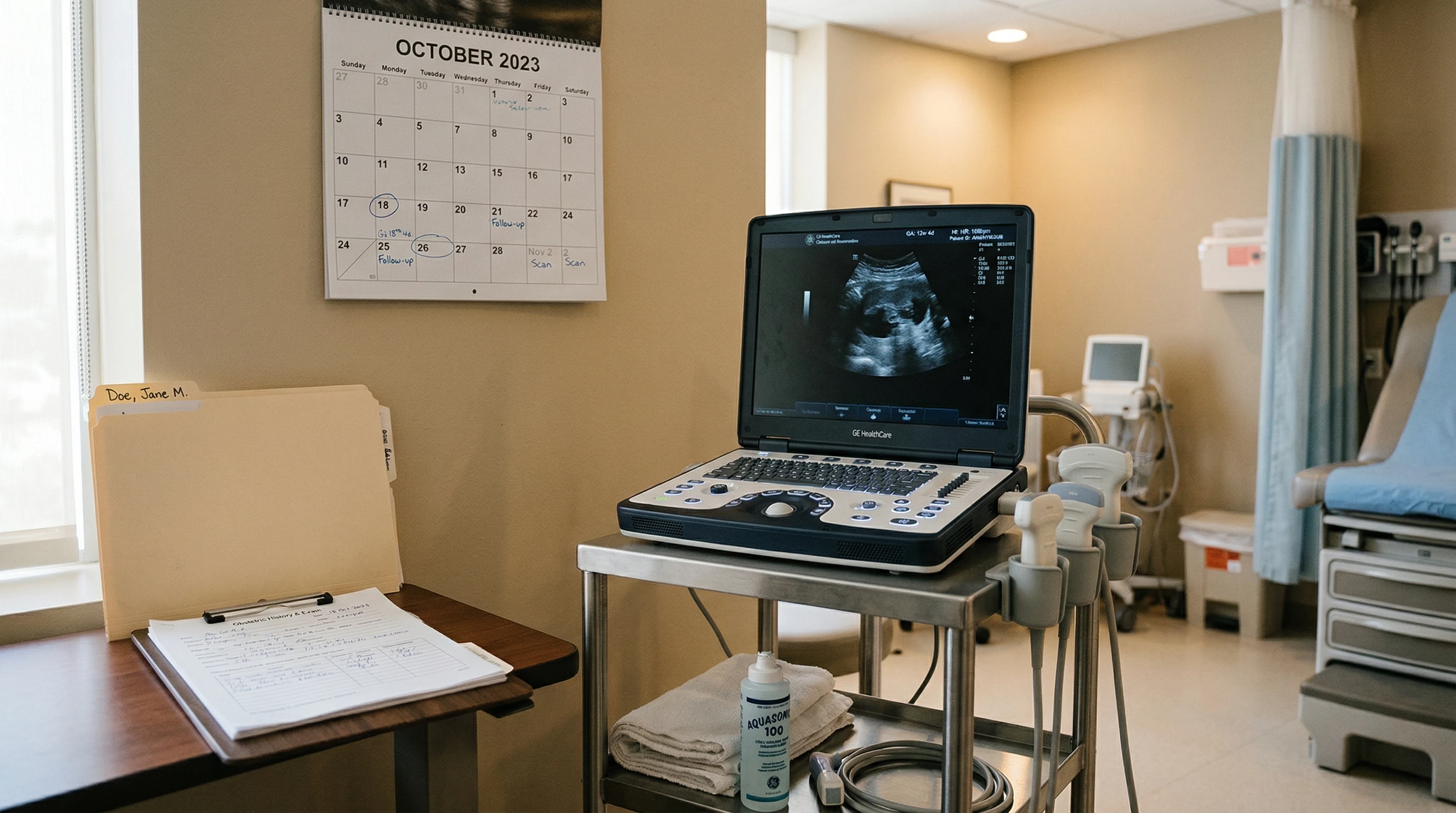
Understanding Cryptic Pregnancy
Cryptic pregnancy, sometimes called stealth pregnancy, simply means the person doesn’t realize they’re pregnant because of very subtle symptoms or symptoms that don’t seem related to pregnancy. It can be pretty wild to imagine someone not knowing for so long, but it really does happen. The term usually applies when someone gets pretty far along, sometimes into the third trimester or even to the point of giving birth, without ever having a positive pregnancy test or a clue that they’re expecting.
People often assume pregnancy comes with obvious signs, such as missed periods, morning sickness, and that growing belly. But with cryptic pregnancy, the signs can be hidden or easily mistaken for something else. This can lead to both confusion and misinterpretation of what’s happening within the body.
Why Does a Cryptic Pregnancy Happen?
A few factors can come together to make pregnancy symptoms almost invisible. Here are some key reasons I’ve learned about:
- Irregular periods: Some women have periods that skip months or are super unpredictable. Missing a period feels normal for them, so it doesn’t raise red flags.
- Mild symptoms: Not everyone gets severe morning sickness or noticeable changes. If symptoms do show up, they get chalked up to stress, diet changes, or everyday aches.
- Weight or body type: Carrying extra weight or having strong abdominal muscles can hide the baby bump. Sometimes, the shape of the uterus can also impact how the pregnancy develops physically.
- Pregnancy tests: Some women keep getting negative tests, which can be due to testing too early, diluted urine, or rarely, a hormone issue where the body doesn’t produce enough hCG to trigger a positive result. These negatives can create even more doubt.
- Health conditions: Issues like polycystic ovary syndrome (PCOS) or thyroid conditions can cause symptoms or irregular bleeding that cover up pregnancy clues.
Often, it’s a mix of these triggers coming together that makes the pregnancy stay under the radar. For example, someone with PCOS may already be used to skipping periods, and if they also have mild pregnancy symptoms, it’s easy for a pregnancy to slip by unnoticed for several months.
Symptoms of Cryptic Pregnancy
Symptoms during a cryptic pregnancy can show up differently than in a typical pregnancy. Here’s what I’ve seen and heard women talk about:
- Spotting or irregular bleeding: Some women experience something that looks like a light period, making it hard to recognize as implantation bleeding.
- Mild or unusual fatigue: Feeling tired is common, but it might get blamed on work, lack of sleep, or daily routines instead of pregnancy.
- Subtle weight gain: Extra weight might be put down to stress eating, changes in activity, or hormones, rather than pregnancy.
- Random aches or cramps: People may feel twinges or cramping in the abdomen or back, which can get overlooked as muscle strain or even digestive issues.
- No noticeable baby bump: This is especially common if someone carries more weight in the abdomen or the uterus sits further back in the pelvis. Loose clothes can also easily mask a budding belly.
- Lack of morning sickness: Not everyone gets classic nausea or vomiting, so they don’t connect the dots.
- Subtle fetal movement: Some do feel movement but might think it’s gas, muscle spasms, or digestion.
Because these symptoms are mild or easily explained by other things, pregnancy often isn’t even considered. Even medical professionals may miss the subtle signs if the possibility of pregnancy seems unlikely.
Psychological Aspects: What’s Going On Mentally?
The mind can play a pretty big role in whether someone realizes they’re pregnant. Here’s how that works:
- Denial or stress: If someone isn’t expecting to get pregnant, maybe because of age, birth control, or health issues, the mind can push away the idea without even realizing it. Stress can also cause the body to act in unpredictable ways, from missed periods to all sorts of aches.
- History of trauma: A tough childhood, past pregnancy loss, or relationship struggles can make someone mentally block out what’s happening in their body.
- Lack of pregnancy knowledge: If someone doesn’t know what to expect with pregnancy, they’re less likely to put together the puzzle pieces if something feels off.
- Self-doubt or mis-attribution: If a doctor, friend, or partner dismisses the idea of pregnancy, it can make someone second-guess their instincts even more, especially with negative tests or confusing symptoms.
These psychological layers can make it super easy to miss even the subtle signs. Mental health is just as important in understanding cryptic pregnancy as physical health, as the mind-body connection can be powerful.
How Common Is This, and Who Experiences It?
This type of pregnancy is pretty rare, but it happens more than you might think. Studies say about 1 in 475 pregnancies go unnoticed after 20 weeks, and roughly 1 in 2,500 people don’t stumble upon the fact they’re pregnant until they’re literally about to give birth. So while it’s not an everyday thing at most doctor’s offices, it’s definitely not unheard of.
There’s no single type of woman who experiences a cryptic pregnancy. Women of different ages, sizes, and backgrounds can go through it. Typically, those with irregular cycles or certain health issues, younger women, or women approaching menopause see it a bit more often. In my experience, there’s no concrete data showing cryptic pregnancies happen more than once to the same person, but having things like irregular cycles or hormone imbalances does increase the chances it could happen again. It’s important to know that factors such as stress, underlying medical issues, or lifestyle choices, like intense exercise, may all play a role as well.
Dealing with Surprise and Disappointment Afterward
Finding out you’re pregnant after months of not knowing, or even going into labor with zero warning, can bring on a whole storm of emotions. Shock and confusion are really common. There can also be disappointment, anxiety, or even grief if this wasn’t a planned or wanted pregnancy. Here’s what tends to help:
- Allow yourself to feel: Processing big changes starts by letting yourself feel whatever emotions come up, no judgment or guilt needed.
- Reach out for support: Whether it’s friends, family, or a mental health pro, having someone to discuss things with can make a huge difference.
- Medical check-up: Getting a doctor involved right away, once you realize you are pregnant, helps make sure both parent and baby get the care they need, especially after missed pre-natal checkups or screenings.
- Connect with others: There are online and in person groups where women share similar experiences. Hearing you’re not alone lifts a big weight for a lot of women.
- It’s really important to know that whatever you’re feeling, including frustration, guilt, or disappointment, it’s a valid reaction to a pretty big surprise—so be gentle with yourself. Support is out there, and connecting with others can be reassuring in a time of uncertainty.
Can Cryptic Pregnancy Happen Again?
The chance of having more than one cryptic pregnancy is pretty low, but not impossible. The same factors, like hormone imbalances, irregular cycles, or certain health issues, can increase the odds. Usually, once someone’s gone through it once, both they and their healthcare team are a lot more tuned in for any unusual symptoms next time.
If you’ve had a cryptic pregnancy and want to try for a more typical pregnancy experience later, there are practical steps and medical checks that can help. Consider discussing these concerns with your provider before trying to conceive again to get a game plan that’s right for you, addressing factors like hormone levels, cycle tracking, and overall health.
Tips for Having a Typical Pregnancy After Cryptic Pregnancy
If you’re hoping for a more traditional pregnancy experience in the future, with early detection and a smoother adventure, here are some things that can help:
- Track your cycle: Using an app or a journal can help you spot patterns and catch anything unusual early. Keeping notes about how you feel physically and emotionally can also make it easier to notice changes.
- See a doctor regularly: Regular check-ups can catch hormone or health issues that might mask pregnancy symptoms. Ask your provider about any preventive screenings or adjustments to your care plan.
- Take a pregnancy test anytime your period is late or you notice unusual symptoms: Even if you feel like you know your body, testing when things feel off gives you peace of mind. Consider using early detection tests for extra reassurance.
- Talk to your provider about past experiences: Sharing your history puts everyone on the same page and can get you extra support or early ultrasounds if needed. Don’t hesitate to bring up fears or questions so your care fits your needs.
- Pay attention to symptoms: If something feels weird—like nausea, fatigue, or spotting that’s not quite normal—bring it up with your doctor, even if it seems minor. Catching things early can set the tone for a healthier pregnancy.
Pregnancy doesn’t always follow a predictable script, but being proactive around your health and getting to know your cycle can make it easier to spot changes early. Staying informed and communicating openly with your provider really gives you a boost as you move forward.
Frequently Asked Questions
People often have a lot of questions when they first hear about cryptic pregnancy. Here are answers to some that come up the most:
Question: Does a cryptic pregnancy mean there is anything wrong with the baby?
Answer: Not necessarily. Most babies born after cryptic pregnancies are totally healthy, though missing pre-natal care can increase some risks. Connecting with your provider right away after discovery is really important.
Question: Will pregnancy tests always show up negative in a cryptic pregnancy?
Answer: Negative tests are common in cryptic pregnancies, but they’re not guaranteed. It depends on when and how the tests are done, and the specific hormone levels in your body. If you suspect something even with negative tests, let your doctor know for further investigation. Your doctor can do a blood test.
Question: Can birth control cause a cryptic pregnancy?
Answer: Not directly. However, people on birth control might be more likely to brush off unusual symptoms or irregular bleeding and not suspect pregnancy, which can help the pregnancy remain undetected for longer. Awareness is key to catching these situations early.
Question: Could this happen to anyone?
Answer: While anyone with the right combination of factors could experience a cryptic pregnancy, it’s more likely if you have irregular cycles or certain hormonal or health issues. But it’s rare overall, so most pregnancies are detected using standard signs and tests.
Final Thoughts
Cryptic pregnancy is one of those medical surprises that really throws a curveball at what most people expect from pregnancy. Knowing the possible causes and subtle symptoms can help spot it sooner. It’s always worth trusting your instincts around changes in your body, listening carefully to signals, and not hesitating to check in with a healthcare provider if anything seems off. Peace of mind—even if you’re not pregnant—is always worth it.
If you’ve gone through a cryptic pregnancy or know someone who has, support and understanding go a long way. Sharing your story or connecting with others can make the whole experience a lot less isolating and a lot more manageable. The road after a cryptic pregnancy can feel bumpy, but with good support and health checks in place, the next adventure has all the potential to be smoother from the start.