Ectopic pregnancy is a subject that often doesn’t receive enough attention, even though it can bring about serious health impacts. I had no idea what an ectopic pregnancy was until a friend of mine experienced it. The whole experience was extremely scary. Knowing what it is and picking up on those early warning signs can make a huge difference in how fast someone gets the help they need. Here’s a personal take on what to watch out for, what causes ectopic pregnancy, and what action steps you should keep in mind.
What Is an Ectopic Pregnancy?
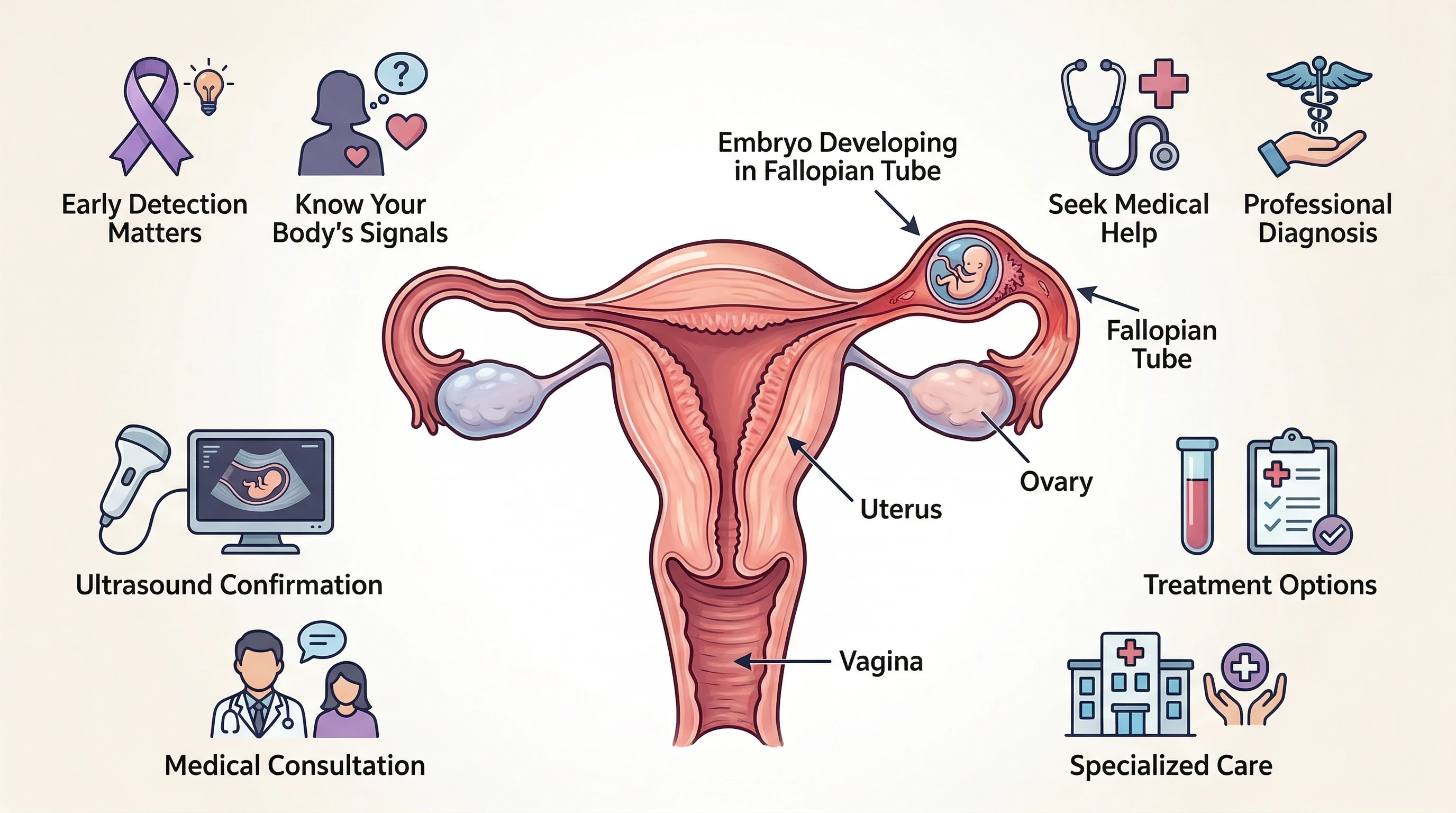
An ectopic pregnancy occurs when a fertilized egg implants and grows outside the main cavity of the uterus. Most frequently, this happens in a fallopian tube, but it can sometimes grow in other places like the ovary, abdominal cavity, or even the cervix. When it happens, the pregnancy can’t continue normally, and it can be dangerous for the woman if it isn’t detected quickly.
In a typical pregnancy, the fertilized egg journeys down the fallopian tube and attaches itself to the lining of the uterus, where it can safely grow and develop. With an ectopic pregnancy, something messes with this journey and the egg gets trapped somewhere else, usually in the tube. Because the tube isn’t designed to hold a developing embryo, this can cause problems pretty quickly.
What Causes an Ectopic Pregnancy?
There are several reasons why an ectopic pregnancy might happen. In many cases, it’s because the fallopian tube has been damaged or blocked in some way, usually from:
- Previous infections like pelvic inflammatory disease (PID), which is tied to STIs like chlamydia or gonorrhea.
- Previous surgery on the fallopian tubes or abdominal surgeries that can leave scar tissue.
- History of ectopic pregnancy which makes it more likely to happen again.
- Fertility treatments like IVF can sometimes raise the risk a bit, though it’s still pretty rare.
- Endometriosis or other conditions that trigger tissue growth or inflammation in the pelvis.
- Smoking. Studies show this raises your chances as well.
Sometimes, though, there’s no clear reason at all, which can be maddening if you’re trying to make sense of it. If you want to check out more risk factors, the Mayo Clinic has a straightforward list worth checking out.
What Are the Early Warning Signs of Ectopic Pregnancy?
The earliest signs might look a lot like normal pregnancy symptoms, which is why it sometimes slips under the radar. Here’s what you might notice in those first weeks:
- Missed period and positive pregnancy test, just like a typical pregnancy.
- Light vaginal bleeding or spotting.
- Mild cramps on one side of the pelvis.
What’s different about ectopic pregnancy is how symptoms can start to change as things go on. These early warning signs are especially important to keep on your radar:
Unusual Pain
Pain is the most common sign that something isn’t quite right. It might be sharp, stabbing, or come and go. Sometimes, you may feel it just on one side of your lower belly. Some women find it much worse than normal period pain. If you notice pain that keeps getting worse or seems to focus on one side, be sure to pay attention to it, and contact your OB/GYN immediately.
Shoulder Tip Pain
This can be surprising, but if pain shows up at the tip of your shoulder, it could point to internal bleeding from an ectopic pregnancy. It’s due to blood irritating the diaphragm, which causes pain signals up in the shoulder. If this happens with other symptoms, get checked out right away as this is very serious.
Dizziness or Feeling Faint
Feeling lightheaded, dizzy, or even fainting are possible red flags for internal bleeding. Even slight dizziness when paired with other symptoms is worth talking about with a healthcare provider.
Gastrointestinal Symptoms
Some people have nausea, diarrhea, or pain with urination or bowel movements. This sometimes confuses women and makes them think it’s just stomach trouble or period pains.
Vaginal Bleeding or Spotting
Spotting can be normal in early pregnancy, but an ectopic can cause irregular or heavier bleeding. If the color or amount is unusual for you, or if it lasts longer than a few days, let your doctor know.
Symptoms Can Escalate Fast
The tricky part is these warning signs can start out mild but suddenly get much worse, sometimes within just a few hours. If you ever notice rapid worsening pain, heavy bleeding, severe dizziness, or fainting, call emergency services or go to the emergency room immediately. Swift action can be lifesaving.
What To Do If You Suspect an Ectopic Pregnancy
If you suspect you might have symptoms of an ectopic pregnancy, especially if you know you’re pregnant and something feels off, reach out to your doctor right away. Don’t try to wait it out to see if it goes away. Even symptoms that seem mild can quickly turn serious.
- Keep track of when your symptoms started and how they change. Your doctor will find this information helpful.
- Ask for blood tests and an ultrasound, as these are key for diagnosis.
- If you have severe pain, major bleeding, or signs of shock—like sweating, confusion, or passing out—get to emergency care as quickly as you can.
Remember, nobody is at fault for an ectopic pregnancy. It happens to women with and without known risk factors. Getting help fast is crucial for your own health and recovery.
Possible Complications of Ectopic Pregnancy
Untreated ectopic pregnancy can lead to some serious complications. The most common is a ruptured fallopian tube, which may lead to internal bleeding. This kind of bleeding can cause low blood pressure, damage to organs, or, in the worst cases, become life-threatening. Other possible complications might include:
- Infection
- Scarring of reproductive organs, possibly affecting future fertility
- Emotional distress or trauma from the experience
Treatments today are designed to keep these risks as low as possible. In some cases, medications like methotrexate can be used to stop the pregnancy early if caught in time. Sometimes, surgery might be needed to remove the pregnancy and fix the affected tube. You can find more about these treatments at the UK’s NHS website.
Is Ectopic Pregnancy Life-Threatening?
Ectopic pregnancy can definitely turn life-threatening if not looked after, mainly because of the risk of internal bleeding. While advances in medicine make it safer to spot and treat these days than in years past, it’s not something to take lightly. Rapid diagnosis and treatment are what keep things from going from bad to worse. The bright side? If caught early, most women
recover fully.
How Common Is Ectopic Pregnancy?
Ectopic pregnancy happens in roughly 1 in every 50 pregnancies (or about 2%). That adds up to tens of thousands of people each year in the United States alone. While it’s rare compared to all pregnancies, it happens often enough that anyone who is trying to get pregnant or thinks they might be should know about the main symptoms and risk factors.
Frequently Asked Questions
Check out a few commonly asked questions about ectopic pregnancies, especially from women who want to know more or are worried about themselves or someone they care about.
Question: Can an ectopic pregnancy be prevented?
Answer: In most cases, it can’t be fully avoided since causes aren’t always clear or preventable. You can lower your risk by treating pelvic infections early, not smoking, and seeing your doctor if you have a history of ectopic pregnancy or fertility problems.
Question: Does having an ectopic pregnancy affect future fertility?
Answer: It can, especially if a fallopian tube is damaged or removed. Many people do go on to have healthy pregnancies, especially if their other tube is healthy. Your doctor will help figure out what’s best for your circumstances.
Question: Will a home pregnancy test show an ectopic pregnancy?
Answer: Yes, most ectopic pregnancies result in a positive test just like a typical pregnancy. The difference is in how symptoms change, not the actual test result. This is why you need to pay attention to your body and not rely only on tests.
Question: What should I do if I start having symptoms while traveling or far from home?
Answer: The same rules apply; if you have severe symptoms, go to the nearest emergency room as quickly as possible. Tell them you’re pregnant or think you could be and explain your symptoms.
Key Takeaways
Ectopic pregnancy happens when a pregnancy develops outside the uterus, often in a fallopian tube. Keep an eye out for new or worsening pain, spotting, dizziness, and unusual symptoms, especially early on. Getting checked by a doctor early can help prevent an emergency. With proper care, most people make a strong recovery. The best way to stay safe is to stay informed and never ignore new or strange symptoms during early pregnancy.