This post is part of our Complete 12 Month Guide to Baby Development. If you are just starting your journey, you can view the full roadmap here.https://cremedelacremechild.co/the-first-year-a-month-by-month-guide-to-your-childs-development/
Watching a 2 month old baby stumble upon the world can feel pretty amazing. Those small changes in how a little one interacts with you and the environment really start to shine, especially in month two. You might spot new movements, more coos, and even that first real smile, giving you a better sense of your baby’s developing personality. Here’s an all-in-one look at what to expect from your baby’s milestones at two months old, plus some down-to-earth tips for encouraging healthy development at this stage.
Typical Physical Milestones at 2 Months
At two months, most babies start showing off improved muscle control and strength. It’s a stage where those jerky newborn moves become just a bit more coordinated and purposeful. Some of the physical milestones you might spot include:
- Better Head Control: Your baby will probably be able to hold their head up for a short period during tummy time. You’ll notice them wobbling less and looking around more, showing off those improving neck muscles.
- Smoother Movements: Arm and leg movements get a touch steadier, even though they’re not quite reaching for things just yet.
- Opening Hands: Little fists begin to loosen, and open hands are a more common sight. Grasping toys is still a skill for later, but this is a great early sign. Our little grandson loves to hold his hands together. It is cute beyond words!
- Kicking and Pushing: Babies love to push down with their legs when feet are on a firm surface. It’s not walking, but it’s important muscle building that helps with future rolling and crawling.
If you’re putting tummy time into your baby’s daily routine, even for short spurts, you’ll track your baby lifting their head briefly and turning it side to side. These small but important actions help build neck and upper body strength, which are needed for the bigger moves coming in the next months.
Social and Emotional Milestones at 2 Months
Those early grins at this age are tough to beat. Where’s the camera? By two months, many babies start showing the first real signs of social connection, which is not only heartwarming but also a great indication of growing awareness. Here’s what usually starts to pop up:
- First Social Smiles: Babies begin to smile in response to your face or voice, not just out of reflex. It’s a rewarding moment that can make tough nights totally worth it.
- Eye Contact: You’ll likely notice longer stretches of eye contact. Your baby might lock eyes with you or follow your face from side to side, especially when it’s grandma’s smile. I recently experienced this.
- Soothing with Your Voice: Babies this age often calm down when they hear a familiar voice, which might help settle them faster than before. Your baby is starting to connect voices with comfort.
- Interest in Faces: Two-month-olds tend to stare longer at human faces, and faces definitely start to beat out other sights in the room. Your face is their favorite thing to watch.
Getting into your baby’s smiles and coos is a wonderful way to bond and encourage more back-and-forth interaction. Talking, singing, or simply making silly faces all help nurture that connection and support emotional growth. Don’t forget videos showing the bonding. We have a video of our son with our grandson in his lap, and he is rubbing the baby’s feet against his beard! The baby is cooing up a storm. It is too funny!
Communication and Hearing Milestones
Two-month-olds can’t say words yet, but they’re laying down all the groundwork for language. Here are the communication signs you’re likely to spot as your baby keeps growing:
- Coos and Gurgles: You’ll hear soft vowel sounds (“ooh,” “ahh”), and those eye-catching gurgles start to emerge as your baby experiments with their voice.
- Responding to Sounds: Your baby may quiet down or turn toward your voice and react to new household noises—maybe even a little jump if it’s a sudden sound.
- Recognizing Voices: Familiar voices, especially those of parents and close caregivers, get more of a response. You’ll see calming, smiles, or happy body wiggles as your baby picks up on who’s talking.
If you talk or sing to your baby regularly, you’ll likely get more feedback in the form of coos, smiles, or wide-eyed focus. Try repeating sounds or singing favorite lullabies; your baby will learn to make more noises, too.
Vision and Sensory Development
At two months, your baby’s eyesight sharpens a bit more, which helps them enjoy looking at faces and close-by objects. Here’s what you might notice:
- Prefers Faces and High-Contrast Images: Babies this age often focus on bold patterns (black and white) or faces, locking in their gaze for several seconds at a time.
- Tracks Objects: When you slowly move a toy or your face from side to side, your baby may follow it more easily than last month, which is an awesome step forward.
- Boredom Signs: If the view doesn’t change occasionally, babies might fidget or look away. Switching up toys or letting them look at new things can help keep their interest. Some babies tend to fuss when they get bored.
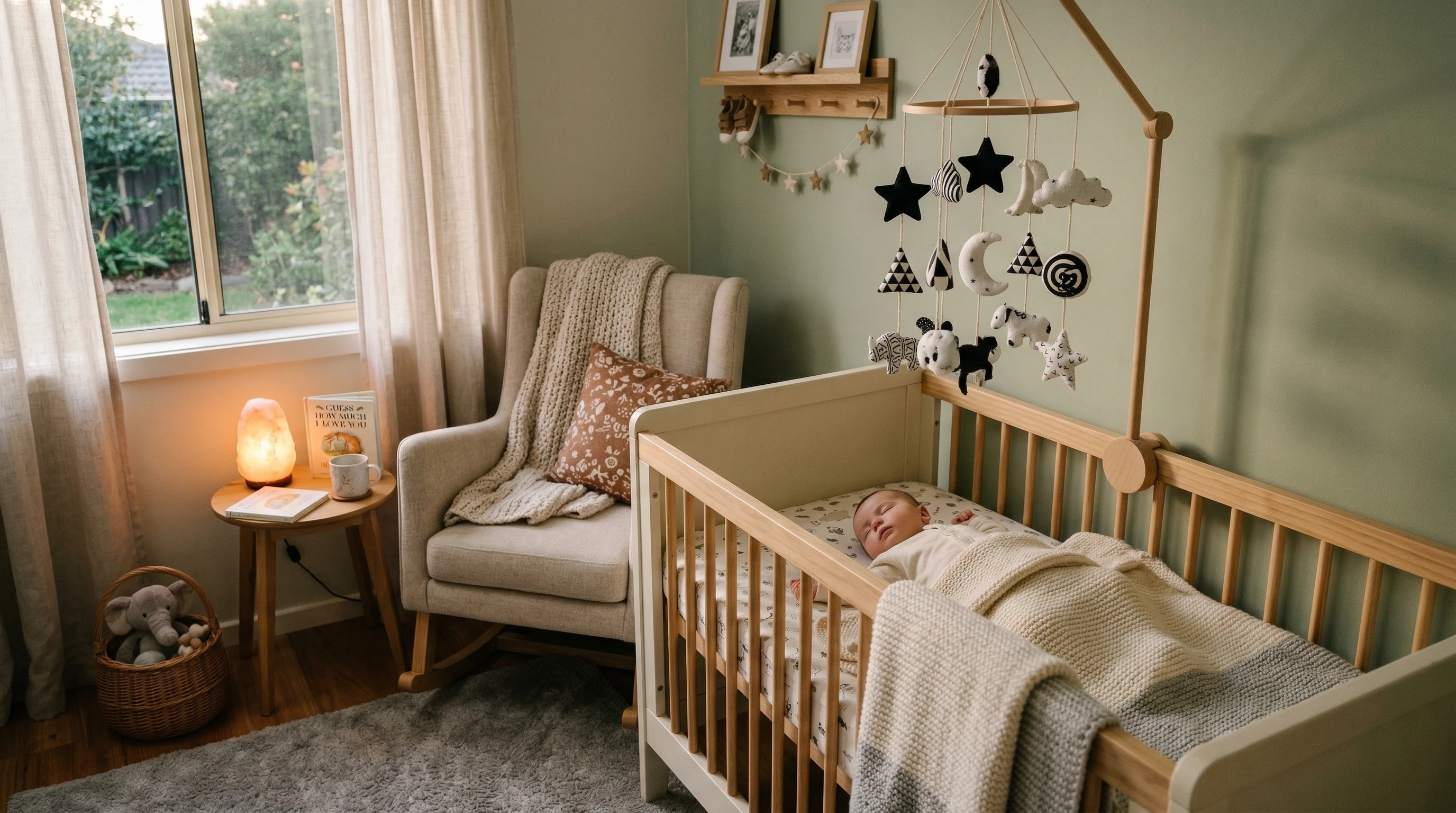
Overhead mobiles, black and white picture cards, or patterned blankets make great tools for practicing visual tracking and sparking your baby’s curiosity. With every day, their ability to spot and focus on objects gets just a little better.
Self-Soothing and Sleep Milestones
The sleep schedule of a 2 month old can still feel a bit unpredictable, but you might see some helpful changes show up around this time:
- Longer Night Stretches: Many babies are able to sleep 4 to 6 hours at a time at night, which is a welcome break. Daytime naps are still frequent, just shorter than before.
- Self-Soothing Efforts: You may notice your baby sucking on their hands or fingers to calm themselves, an early sign of learning to self-soothe.
- Settling with Help: Gentle rocking, humming, or snuggling still makes a big difference, but babies sometimes start to settle down by themselves for a few moments at a time.
Setting up a calming sleep area with dim lights can help reinforce nighttime as a special, restful time. Tracking your baby’s feeding and sleeping cycles with a notebook or an app can uncover patterns and help everyone get a bit more rest in the long run.
What Parents Can Do to Support 2 Month Milestones
You don’t need expensive toys or fancy gear to give your baby a boost at this stage—just be attentive, encouraging, and make play a regular part of your daily routine. Here are some ways to support your baby’s growth:
- Talk and Sing Frequently: Chat about your day, sing simple songs, or simply describe your surroundings. Babies learn so much just by hearing your voice.
- Spend Lots of Face Time: Get close and make a variety of expressions. Stick out your tongue, smile big, and make funny faces; watch if your little one tries to mirror you.
- Make Daily Tummy Time a Habit: Even a few minutes on their tummy helps build strength in head, neck, and arms. Remember, this should always be supervised for safety.
- Provide High Contrast Toys: Bold black and white patterns or simple shapes are winners here—look for these in crib mobiles, blankets, or play mats.
- Start Simple Bedtime Routines: Reading a book, listening to gentle music, or lowering the lights can send clear signals that it’s time to wind down and can help the baby feel secure.
It’s natural to feel anxious about “hitting” every milestone, but every baby moves at their own pace. If you wonder about your baby’s progress, reach out to your pediatrician or health provider. Trust your instincts as a parent—they are just as important as the checklists.
Possible Challenges and What to Watch For
It’s pretty common to wonder if your baby’s development is on track, especially as you see babies around you. Here are a few things to keep an eye on in month two:
- Does your baby rarely move their arms or legs, or seem unusually floppy or stiff compared to last month?
- Does your baby seem not to respond to loud sounds or your familiar voice?
- Are you not seeing any ‘real’ smiles or extended eye contact by the end of month two?
- Does your baby seem very sleepy, or maybe hardly sleeps at all?
Remember, all babies move forward at their own pace, but regular well-baby check-ups are essential for staying sharp about growth and development. Bring these points up during doctor visits so your pediatrician can offer guidance or help ease your worries.
Frequently Asked Questions About 2 Month Old Milestones
Here are some popular questions I’ve heard other parents ask as their baby turns two months old:
Question: How much should my 2 month old sleep?
Answer: Most babies this age sleep about 14 to 17 hours in a 24-hour period, with longer stretches at night and several naps during the day. Sleep patterns vary, so staying flexible is a good approach.
Question: Is it normal for my 2 month old to not smile yet?
Answer: While many babies give their first social (real) smile by two months, some take a little longer and that is still within the normal range. If you really never spot smiles or eye contact, check in with your pediatrician.
Question: What if my baby hates tummy time?
Answer: Lots of babies fuss during tummy time at first. Try quick but frequent sessions, and do tummy time while your baby is on your chest or lap if they seem fussy. Slowly increasing the amount helps them get used to it.
Question: When should I be concerned about development?
Answer: If your baby seems very floppy, unusually stiff, isn’t responding to sounds, or has trouble feeding, check in with your doctor right away. Most issues aren’t serious, but early attention can really help.
What Happens After 2 Months?
After reaching the two-month milestone, babies keep moving forward fast—rolling, scooting, and even more babbling aren’t far off. Sticking to regular check-ups and tracking what your little one does each day is a relaxed way to get a feel for how things are going. Take pictures, notice the small stuff, and remember: every baby’s story is unique, and this adventure is the best part of parenting!