
As an Amazon Associate, I earn from qualifying purchases.
Traveling with little children can be stressful enough, but figuring out car seats adds a whole extra layer of planning. Following are car seat travel tips. I’ve picked up a lot of knowledge on this topic through my own adventures with babies and toddlers, so I want to share some tips that make bringing a car seat and getting around far less overwhelming. Whether you’re setting out on a road trip, flying across the country, or jumping in an Uber, there are plenty of situations where having your own car seat is a real game-changer for both safety and convenience.
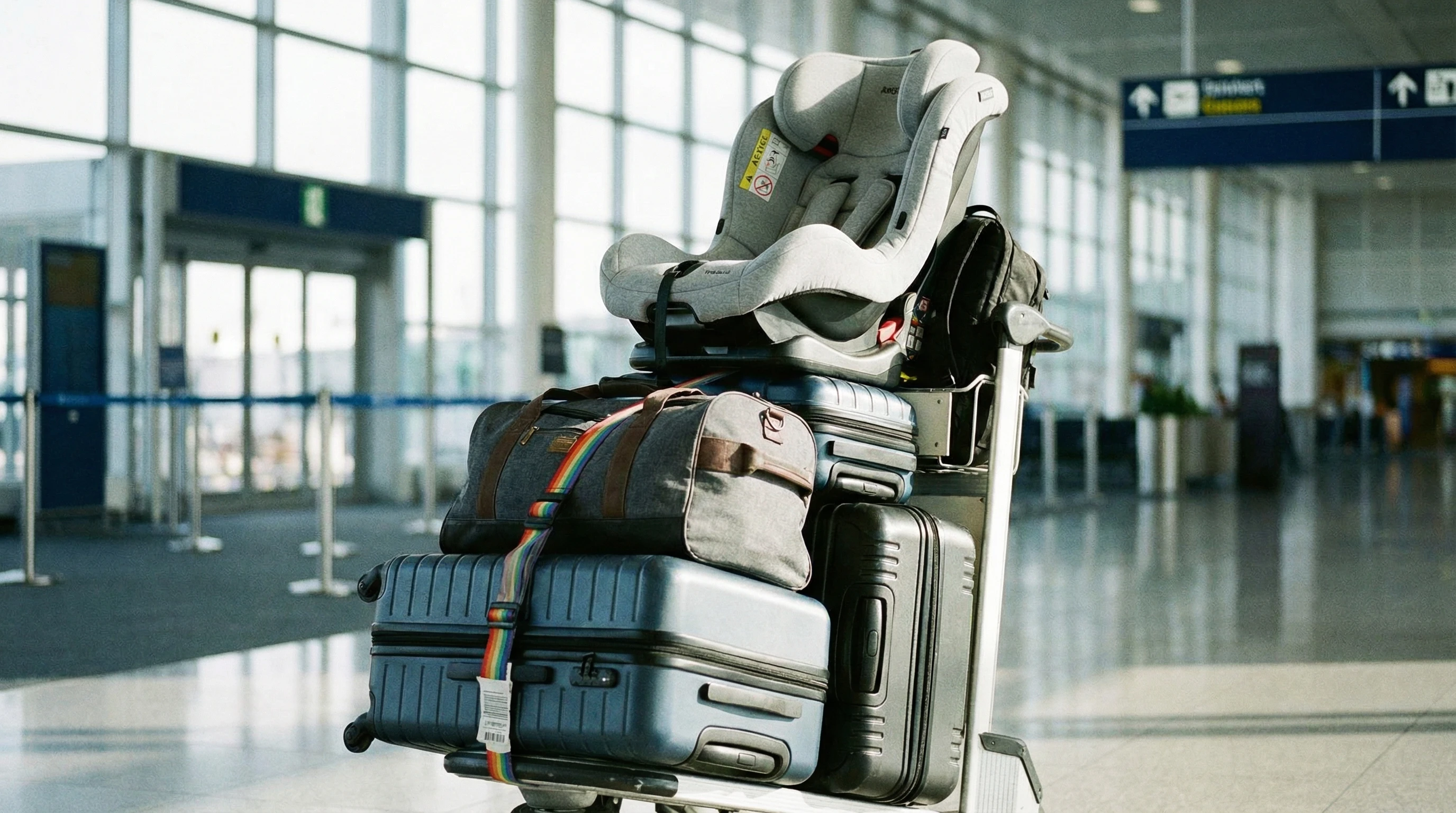
When It Makes Sense to Bring a Car Seat
Choosing when to bring a car seat depends a lot on your destination and how you plan to get around once you arrive. Not every trip needs one, but there are lots of scenarios where bringing your own seat is remarkably useful. Here’s what I’ve found helpful as you make your game plan:
- Road Trips: If you’re driving your car or renting, your child’s car seat comes first. While rental agencies sometimes offer seats, the quality and availability can be inconsistent. Also, most are considered one-size-fits-all. Your own seat means your child’s comfort and safety—plus you know those straps inside and out.
- Urban Travel: If you plan to catch rideshares, Ubers, or hop into rental cars in a city, a car seat is a must, since most services don’t provide one. For short or rare Uber rides, some parents opt for travel boosters if their toddler/child is big enough.
- International Travel: Since car seat laws and transportation rules can change from country to country, looking up the rules before your journey keeps you prepared. Even if it’s not required by law, having your own seat adds peace of mind.
- Airplane Travel: When your child gets their own ticket (usually after age 2), you can use an FAA-approved car seat in the airplane. This gives added safety and a cozy place for little ones to nap mid-flight.
If your trip involves mostly buses, trains, or subway rides, skipping the car seat might work. But if your child still uses a car seat at home, there’s a good chance you’ll want it when you travel.
When our son was 2 months old, we decided to go to Salt Lake City, Utah to introduce him to his paternal grandparents and all of their friends. We shipped the car seat through baggage. We had requested special seats on the airplane where a bassinet is available. It is secured to the BULKHEAD and you can lay the baby in it for the entire flight. It has safety straps to hold the baby. So there is no need for the car seat in the plane. Of course, this is only for babies up to 3 months, I believe. We also shipped, through baggage, an umbrella stroller. They are foldable, lightweight and very convenient when travelling.
What Kind of Travel Calls for Your Own Car Seat?
Bringing a car seat—or not—usually comes down to your transportation setup at your destination. Here are situations where your personal seat is crucial or at least a very smart move:
- Car Rentals: Even if the agency says seats are available, it’s a gamble on what you’ll get. Your own seat is a sure thing for safety and a perfect fit.
- Long Taxi or Rideshare Rides: In some countries with strict rules, taxis might turn you away if you don’t have a child seat. Bringing your own means you aren’t stuck hunting one down last minute. Finding one to fit your child could be next to impossible.
- Multiple Cities or Lots of Car Travel: If you have an adventurous itinerary with day trips, your own seat beats hunting down rentals at every stop.
- Connecting Flights, Layovers, or Overland Transfers: Managing a car seat through airports and buses can be a challenge, but if you’ll need it once you arrive, it’s worth bringing along.
- Traveling with Multiple Children: Car seats and boosters for each child add to your gear, but prioritize safety above all.
When you’re sticking with buses or trains in bigger cities, you might leave the seat at home. But double-check the rules if your child/children are under 8 (or whatever the local law says) and bring along that car seat if there’s any chance of car rides.
Where and How You Can Use a Car Seat While Traveling
Thinking about how car seats fit into all parts of your plan helps a ton. You might use them in planes, rental cars, Ubers or taxis, rideshares, and sometimes on shuttles or buses (though it’s not always possible or allowed).
- Airplanes: FAA-approved seats can usually be installed on planes if you purchase your child a seat. This set-up offers better safety during turbulence and helps with napping or eating.
- Rental Cars: Using your car seat in a rental is just like home: install it once you pick up your vehicle. Bringing one familiar to your child can smooth over grumpiness after a long flight.
- Rideshares, Ubers and Taxis: You can usually install your car seat in these vehicles, but not all drivers will be patient, so master your speedy install game.
- Shuttles and Buses: These usually don’t have seat belts, so car seats won’t secure. Some shuttles offer seats if you reserve in advance, but always ask first and don’t count on it.
Laws and company policies differ, so check ahead and allow time to securely install the seat. Practice installing at home, both with the seatbelt and LATCH system, since cars abroad might surprise you with their setups.
Child Age and When Car Seats Are Needed
Every country and even local regions have their own age, height, and weight rules for car seats, making it essential to get it right. Here’s a quick overview on what usually applies:
- Infants (0 to 12 months): A rear facing infant seat is the gold standard, required nearly everywhere for babies.
- Toddlers (1 to 4 years): A convertible seat that begins as rear-facing and later turns forward-facing works well for home and travel.
- Children (4 to 8 years): Booster seats bridge the gap to a regular seatbelt. Compact travel boosters lighten your load for older children.
If your child weighs under 40 pounds, stick to a full harness-style seat for car rides. In the U.S. and other countries, boosters are often a must until ages 8 to 12 or 4’9” (or over 100 pounds). Always check your destination’s specific requirements so you don’t get caught off guard. Traveling, especially airline travel, is stressful enough without additional problems causing delays and even missed flights.
Traveling with Two Babies or Toddlers
Bringing two car seats often feels like a packing puzzle. Picking lighter models with backpack straps or wheels can help, and some fold nearly flat. Gate checking at the airport ensures your seat travels with you—using a padded travel bag offers added protection. Having a stroller that works with your infant seat can also be a lifesaver.
If your older child can use a booster, get a travel booster for them and bring the harness seat for your little one. Most airlines check car seats for free, but double-check their policy and protect your car seat in a solid bag for the journey. Car seats can get damaged on airport conveyer belts and with excessive rough handling by bag handlers. ALWAYS check your car seat, when you get to your destination, BEFORE putting your baby/toddler/child in it to make sure nothing is broken or damaged. If it is damaged, you will need to file a report with the airline you flew on, if you choose. This is a big hassle and could take weeks to settle. Sometimes, you may decide to forget it and just buy a new one!
Steps for Smart Car Seat Prep
Prepping in advance smooths the way for travel day. Here are my best prep tips to make use of car seats much easier on the road:
- Check Car Seat Rules: Every country, state, or province might have different laws. Search what’s required and how strict things get enforced.
- Pick a Suitcase Friendly Seat: Flying? Go for lightweight or travel ready models. Some brands are also approved for airplane use, easing your burden through busy terminals.
- Practice Setup Before You Leave: Try buckling up your seat with a seat belt and with LATCH. A few practice runs will pay off at the airport or outside a taxi/Uber/Rideshare stand.
- Bring Useful Accessories: Toss in a travel bag, locking clips, a cover, and maybe some extra strap padding. These keep your seat protected and set-up smooth.
- Understand Airline and Ride Policies: Ask how your car seat can be used or checked on the particular airline or airlines. If you are changing airlines during international flights, check every one that you will be flying on. Do not assume they all have the same rules! Having the information in hand keeps things stress-free at check-in.
- Plan for Hauling: Backpack straps, clever wheels, or a rolling travel cart make scooting through terminals so much easier.
A great hack: pack a thin blanket to cushion under the car seat or keep your little one warm during long flights or chilly car rides.
Extra Tips & Troubleshooting Common Challenges
Some hurdles pop up a lot more often than you’d expect. Here’s some advice that would’ve saved me headaches during my early travels:
- Getting Through Security: Don’t hesitate—ask for a hand if you’re struggling with multiple children and seats at security. Most agents help slide your seat through the scanner, especially if you’re alone.
- Car Seat Damage: For checking, stow your seat inside a padded travel bag and always give it a once-over for damage before you use it after your flight.
- Small Rental Cars: In many countries, rental cars run smaller than expected. Double-check seat dimensions and make sure your set-up fits before you book.
- Language Barriers: If you’re visiting somewhere with a new language, print or save a translation of local car seat guidelines or pictures that show a safe install.
- Keeping Kids Busy: A comfy car seat makes naps easier, but for awake time, pack a favorite toy or comfort blanket to settle restlessness.
If hiccups come up, have back-up options, like taking public transportation when car seat plans fall through. Flexibility brings your stress way down.
Common Questions About Car Seat Travel
Parents always ask similar things. Here are rapid-fire answers I share most often:
Question: Can I gate check my car seat for free?
Answer: Nearly all airlines let you check a car seat for free at the gate or the ticket counter, but always double-check your airline’s policy before you travel. I just checked and in the United States, one car seat and one stroller per child can be checked for free. It is still a good idea to contact the airline you will be flying .
Question: How do I know if my car seat is airplane approved?
Answer: Check the seat’s label—it should say it’s FAA approved. This avoids confusion with flight crew and gets you boarded with less hassle. You must purchase a separate seat for your child ( newborn and up) to bring a car seat on board.
Question: Can I skip using a car seat for short taxi rides?
Answer: Safety matters, no matter how quick the ride. In many places, taxi drivers require a child seat. Babies and small children are much safer in a car seat that is buckled in. Do not jeopardize your childs safety under any circumstances.
Question: What’s an easy way to carry a car seat in the airport?
Answer: A travel bag with straps, a special cart, or a lightweight folding seat are top picks. Go with whatever fits best with all the other stuff you’re lugging.
Final Thoughts
Bringing a car seat along may take effort, but it cuts down on hassle, streamlines your plans, and gives real peace of mind because your child’s safety is of utmost importance. With a bit of prep and good gear, family travel becomes not just doable, but genuinely fun—even with a crew of tiny travelers in tow. Here’s to safe, smooth, and memorable adventures ahead!