
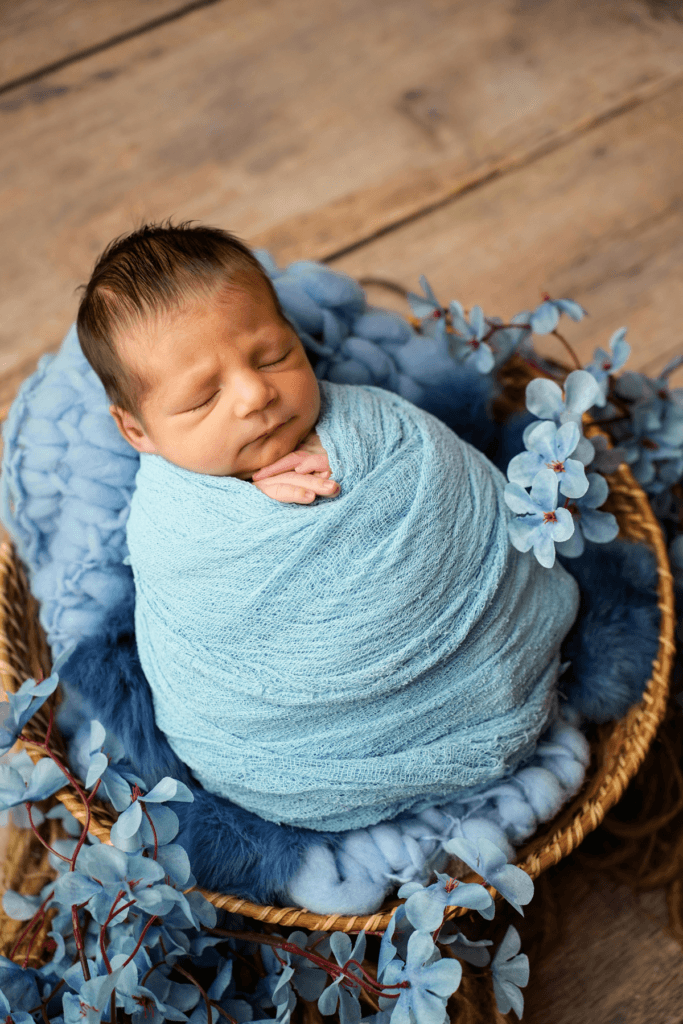
Swaddles and weighted sleep sacks might seem like simple pieces of baby gear, but they come with a rich history and some well-loved benefits for new parents and babies alike. Swaddling’s wrapped-up coziness dates back centuries, used to calm little ones and keep them snug. Meanwhile, weighted sleep sacks are the new kids on the block, offering a modern twist with added gentle weight to mimic a parent’s reassuring touch.
Swaddles are typically light blankets designed to wrap tightly around a baby, creating a womb-like sensation. They help prevent startle reflexes that can wake babies up, which is a big win for parents looking for a few more zzz’s.
Weighted sleep sacks, on the other hand, come equipped with distributed weight, usually around the chest area. This gentle pressure can provide a sense of security and calm for your newborn, promoting longer durations of sleep. They’re like a comforting hug that lasts all night.
When it comes to making a choice, parents often rely on advice from pediatricians, guidance from sleep experts, and a bit of trial and error to see what clicks best for their baby’s needs and temperament. While each option has its fan club, understanding these essentials helps lay the groundwork for making an informed pick.
Knowing when to introduce each can also matter. Swaddles are often the first step right from birth, transitioning to sleep sacks as babies grow more mobile and require a different kind of comfort and safety.
Reasons to Choose: Swaddle or Weighted Sleep Sack
Choosing between a swaddle and a weighted sleep sack can feel like a big decision, but it boils down to what makes both you and your baby the most comfortable. Each one offers unique perks catering to different needs.
Swaddles are all about security and snugness. They tightly wrap your baby, reducing the startle reflex and offering a sense of warmth similar to the womb. This can be a lifesaver for those nights when it seems like nothing will soothe your little one. Many parents find swaddles especially useful in the early newborn phase.
On the flip side, weighted sleep sacks have climbed in popularity for mimicking the gentle pressure of a parent’s touch. This subtle weight can aid in calming and settling babies, potentially leading to deeper, longer sleep cycles. Especially helpful for babies who struggle with sleep, this option can offer some relief to sleep-deprived parents.
Safety standards play a significant role too. With swaddles, ensuring the right tightness and fit is crucial to allow hip mobility while avoiding any breathing issues. Weighted sleep sacks add a layer of reassuring safety because they stand up to wiggles and don’t unravel or pose a suffocation risk.
Parental anecdotes often highlight the importance of ease. Swaddles that can double both as a blanket and a calming wrap add convenience. Meanwhile, sleep sacks engineered for overnight wear with easy diaper change access get bonus points from those nocturnal parents navigating through darkness.
The Benefits Unveiled: A Closer Look at Swaddles and Weighted Sleep Sacks
Swaddles and weighted sleep sacks each have their own set of benefits that cater to different infant needs. Starting with swaddles, they are fantastic for promoting neuromuscular development. By keeping your baby’s arms snug, they help reduce startle responses, allowing for a more peaceful nap or sleep time. This snug fit mimics the coziness of the womb, which can be particularly reassuring for newborns.
Weighted sleep sacks bring their own set of perks. Their gentle pressure acts a lot like a caregiving embrace, often aiding in reducing restlessness. This leads to improved sleep length and quality, giving tired parents more downtime, and ultimately, a happier household. Many parents report that their babies seem more content and settle faster when using weighted sacks.
Temperature regulation is another area where these products shine. Swaddles are usually made of light, breathable fabrics that keep your baby from overheating, crucial during warmer months. Weighted sleep sacks are designed with safety in mind, often featuring materials that balance warmth and breathability, ensuring that babies stay cozy without risking overheating.
Pediatricians often recommend either option for different stages. Swaddles are considered a great choice for the very young, especially in the first few months, while weighted sleep sacks are seen as suitable once a baby starts to show signs of rolling over or needs a little more than just a light cover. This gradual transition can make a significant difference in a baby’s sleep progression.
Cost Considerations: Evaluating the Price Tag on Infant Sleep Solutions
When it comes to budgeting for baby gear, the cost of swaddles and weighted sleep sacks is an important factor to consider. Prices can vary significantly based on brand, material, and features, but it doesn’t have to break the bank.
Swaddles usually come at a friendly price point, often available in multi-packs, making them a cost-effective choice, especially in the early days when you’re changing them frequently. They’re also widely available at most retail baby stores and online, so finding one to fit your budget shouldn’t be too challenging.
On the other hand, weighted sleep sacks might seem a bit more of an investment upfront. However, they can be well worth it for the potential sleep benefits they offer. Some parents find that the cost balances out with the improved quality of sleep for both baby and parents, which is priceless during those crucial early months.
If you’re looking to save a few bucks, consider waiting for sales or looking into second-hand options. Many parents find gently used swaddles and sleep sacks from baby consignment shops or online marketplaces.
Weighing the benefits against the cost is key here. Swaddles and weighted sleep sacks each bring different advantages to the table, and your choice might depend on your budget, your baby’s needs, and what helps everyone sleep soundest.