
Dealing with diaper rash comes with the territory when you’re a new parent. Those red, sometimes angry-looking patches can pop up fast and leave both you and your baby feeling cranky. After a few rounds myself, and after swapping stories with other parents, I’ve picked up quite a few tricks for keeping diaper rash under control (and, sometimes, gone for good!). Whether you’re facing your first bout of diaper rash or you want some backup ideas for your toolkit, you’ll find a lot you can use right here.
What is Diaper Rash?
Diaper rash is a pretty common skin irritation that happens in the diaper area. You’ll see inflamed, reddish skin, and sometimes it looks bumpy or feels warm to the touch. It can show up on the buttocks, thighs, and even around the genitals. Diaper rash needs to be addressed immediately because urine and feces can cause it to get worse if it is ignored. Also, the acid in bodily fluids causes a great deal of pain for babies. You can tell from their cries that they are in a great deal of pain. Be extra gentle, also, when wiping and cleaning. The extra friction also is very painful. Switch from wipes to plain water on a very soft cloth.
The rash can range from mild redness to more raw or blistering patches if it goes untreated or gets really bad. Most babies end up with at least one rash in their first couple of years, so you’re definitely not alone if you spot some redness during a diaper change.
What Causes Diaper Rash?
There are several reasons diaper rash can flare up, and it usually comes down to a combination of moisture, friction, and exposure to irritants. Here are some things I’ve seen (and experienced) that can lead to diaper rash:
- Wet diapers left on too long: When the skin stays wet, it’s more prone to breakdown and irritation.
- Poo and pee contact: Urine breaks down into ammonia, which irritates the skin. Poo contains bacteria that can make things worse.
- Friction from a snug or rough diaper: Rubbing creates tiny cuts in the skin, letting more irritants seep in.
- New foods: Starting solids can change the acidity of your baby’s poo, sometimes making rashes flare up quickly.
- Antibiotics: These can change the balance of bacteria, leading to yeast overgrowth (a rash with bright red patches or spots beyond the main area).
- Wipes and soaps with harsh chemicals: Fragrance and alcohol can make sensitive skin even more upset.
Understanding these triggers helps you spot the cause and choose the best way to help your baby recover, or even stop a rash before it starts.
Recognizing the Signs: How to Spot Diaper Rash Early
Catching diaper rash fast can make a huge difference in how long it sticks around, and how uncomfortable your baby gets. When I notice any of these, I know it’s time to amp up the TLC:
- Red or pink patches in the diaper area
- Warmth or swelling on the skin
- Your baby fusses or cries during diaper changes
- Sometimes little bumps, blisters, or open sores if it’s gotten severe
- Rash spreads beyond the diaper area, sometimes up the belly or down the legs
It’s worth noting that while most rashes are easy to handle at home, if you see the rash is spreading quickly, your baby is running a fever, or you spot oozing or yellow crusts, you’ll want to check with your pediatrician, for advice, as quickly as possible.
I remember that our son only had maybe 2 bouts with diaper rash. One was very mild and cleared up very quickly. However, the other one threw me for a loop! We had travelled to Denver to see my father. We were staying in his basment, and he had borrowed a play crib for our son to sleep in. My husband did not accompany us. Our son was about 21 months old. He was still mainly breast fed, with minimal other food. We had gone to bed, and around 2A.M. when I went to breast feed him, he was crying and I could not console him. I went to change his diaper, and he had a horrific rash that had developed in just the few short hours after I put him down for the night. I don’t remember if I fed him something he had never had, or if it was just stress from travelling. I was horrified. I immediately removed his diaper, and tried to clean him up. He screamed the entire time. He was in such pain, and I had nothing to put on him. My heart was breaking, because I knew he was in a lot of pain. I grabbed a washcloth, wet it, and cleaned him up as gently as I could, while also trying to calm him and console him. My Dad was not used to babies, and I did not want to wake him upstairs. My son was inconsolable. I was up all night with him. I actually took his diaper completely off and tried repeatedly to put him down in the play crib. He just wanted to be held, so I accomodated him. He did pee on me several times, but it did help calm him down. I finally got him to sleep around 5:00 A.M. I was exhausted! Unfortunately, my Dad was very set in his ways, and felt that everyone should be up by 6:00 A.M.! He had no idea what I had been through all night! He burst through the bedroom door telling me to get out of bed. I could barely function. I went outside the bedroom and shut the door. I explained to him what had happened, and that I had only had one hour of sleep. And if he woke the baby, he could listen to him scream! He reluctantly backed off. I told him I would come upstairs when the baby woke, and not to expect us for at least 4 to 5 hours. When we woke, I actually took my son out on the deck and let him run around without a diaper most of the day. My Dad was not happy as he had no knowledge about diaper rash and was very old school. However, he did tolerate what I did. I explained to him that I really had no other choice. Luckily, those measures cleared up the rash pretty quickly. By that night, I was able to put him back in diapers. He was only in diapers for a few months after that, and he never had another rash. From the moment he was born, I was diligent about checking his diapers every hour or two. If he was even slightly wet, I changed him. I also did the same with a poopy diaper. I NEVER left him in a wet or dirty diaper, even for a few minutes. The exception was at night when I put him down. I would change him immediately upon him awaking the next morning.
How Long Does Diaper Rash Last?
Most mild diaper rashes start clearing up after two or three days if you catch them early and care for the area well. More stubborn rashes, or ones caused by yeast, might stick around for a week or even longer and could need a prescription cream. Gentle cleaning, regular air time, and the right cream help speed up the healing.
If the rash lingers beyond a week despite your efforts, or it keeps coming back, it’s time for a visit to your baby’s doctor to figure out if something else is going on, like an infection.
Best Ways to Prevent Diaper Rash
Some babies have supersensitive skin, so they might get rashes more often, but there are things you can do to prevent most flare-ups:
- Change diapers often: The less time skin spends in contact with pee and poo, the better. Even if it looks dry, I check every couple of hours and always after a poo. I changed our baby, on average, every two hours. If I saw him straining or making funny faces, I would immediately check his diaper, and even if it was damp, I would change it.
- Let the area dry fully: Pat (don’t rub) with a soft cloth or let your baby enjoy a little air time before diapering.
- Avoid harsh wipes and soaps: Switch to fragrance free, alcohol free options, or even just warm water and a washcloth for sensitive days.
- Pick well-fitting, breathable diapers: Look for diapers that keep wetness away from the skin but aren’t too tight, which can trap moisture.
- Apply a light barrier cream regularly: A thin layer of ointment at each change stops irritation from starting, especially if there’s any redness.
- Go diaper free when possible: Even just 10-15 minutes a day helps keep skin happy.
To pump up protection, also try switching things up with diaper brands, especially if your baby had a few rashes with the same style. Sometimes a brand that feels soft for one baby can cause more rubbing for another. Looking at reviews from other parents can give you a feel for which brands are trending for comfort and dryness in your area or climate.
Creams and Ointments: What Works for Diaper Rash
I’ve gone through a lot of tubes and jars in the past, and a few key ingredients always show up in creams that work:
- Zinc oxide: This ingredient creates a thick barrier that protects skin from moisture. You’ll find it in brands like Desitin, Boudreaux’s Butt Paste, and Triple Paste.
- Petrolatum: Also known as petroleum jelly (think Vaseline), this makes a good light barrier for everyday use or mild rashes.
- Lanolin: Found in some creams, it’s soothing for irritated skin and gentle enough for most babies.
- Anti-fungal creams: If your rash is yeast related; usually the rash is bright red with clearly defined edges or satellite spots; your pediatrician might recommend a cream with clotrimazole or miconazole.
When trying something new, always put a tiny amount on a small spot to check for any reaction. If the rash seems to get worse after a new cream, switch back to one that’s worked before or talk with your pediatrician.
In addition to the main over-the-counter options, your pediatrician might put it out there that prescription-strength treatments are necessary for rashes that don’t clear with regular creams. If you get one of these, make sure to use it just as directed and call if your baby seems uncomfortable or things aren’t improving in a few days.
Home Remedies for Diaper Rash
Besides over-the-counter ointments, there are a few simple fixes at home that I’ve found helpful:
- Warm water baths: A short soak can gently cleanse and calm inflamed skin.
- Baking soda baths: Adding 2 tablespoons of baking soda to the bathwater (and letting your baby soak for about 10 minutes) can help soothe raw skin. Just make sure to rinse thoroughly.
- Air dry time: Laying your baby on a towel and letting them hang out without a diaper for a while speeds healing.
- Breast milk dabs: Some parents swear by applying a bit of expressed breast milk to the rash and letting it dry completely before putting on a fresh diaper; the antibodies may help reduce irritation for minor rashes.
It’s important, though, to skip powders like talc or cornstarch; these can cause breathing problems and sometimes feed yeast, and never use home remedies with strong scents, alcohol, or essential oils on sensitive baby skin.
Other home-based approaches include soaking a clean cloth in cooled chamomile tea and softly patting the affected area, which may calm the skin for some babies. Remember to use a fresh, clean cloth each time to avoid spreading bacteria.
Extra Steps for Prevention: Everyday Diaper Care
A few daily habits make a big difference in keeping rash away and your baby comfy:
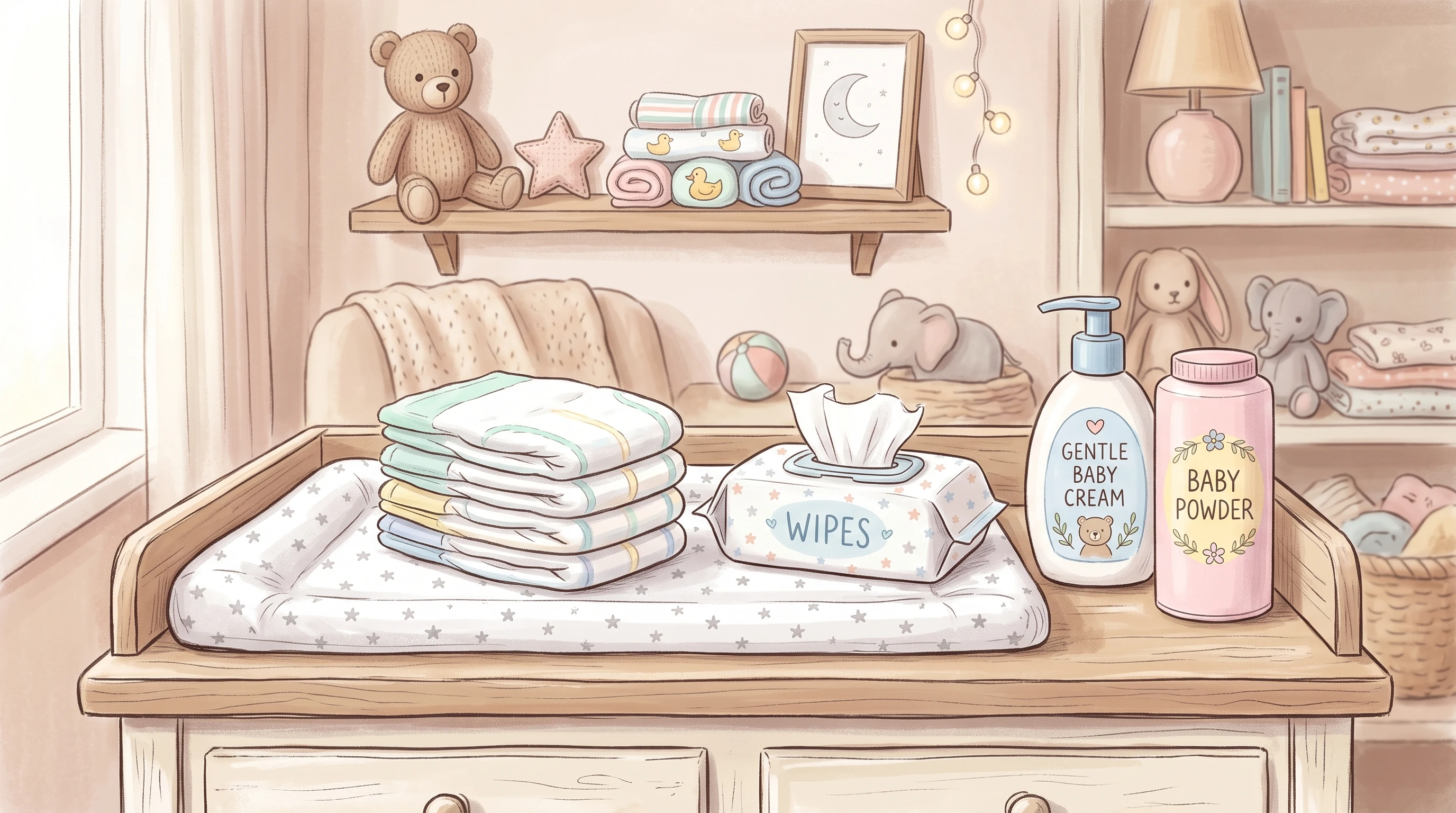
- Keep changing supplies ready: Make sure to have everything within arm’s reach to make changes quick and keep your baby from wiggling on the mat for too long.
- Rinse cloth diapers thoroughly: If you use cloth, an extra rinse with hot water gets rid of detergent residue that might bug the skin.
- Skip tight fitting pants or diaper covers: Go for soft, roomy belly bands or leggings if it’s rash season.
- Keep an eye out for new foods: When introducing new solids, check the diaper area more often since certain foods (like citrus or tomato) may make poo more irritating. The combination of poo and urine can make for a mean rash.
- Wash hands before and after changes: This stops bacteria from traveling, especially if your baby already has a rash.
Sticking with these steps will make a noticeable difference in how rarely you will have to face down a nasty diaper rash flare.
Another handy trick is to monitor the temperature and humidity in your baby’s room. Hot, humid environments can encourage sweat and extra moisture, making it trickier to keep the diaper area dry. Light, breathable sleepwear and room ventilation add to overall comfort and reduce sweatiness.
Do Babies Become Dehydrated Due to Diaper Rash?
Diaper rash itself doesn’t directly cause dehydration, but sometimes the two show up together. If a baby has a bad rash due to diarrhea or a tummy bug, all that extra poo can lead to fluid loss. Babies might also resist nursing or taking a bottle if they’re really uncomfortable, which can add to the risk.
Signs to watch for include fewer wet diapers than usual, a dry mouth, fussiness, not making tears when crying, and sunken soft spots on the head. If you notice these alongside a diaper rash, especially after a tummy bug, it’s really important to call your pediatrician or care provider.
What to Do for Dehydration in Babies
If you suspect your baby is starting to get dehydrated, here’s what to do right away:
- Offer more frequent nursing or bottle feeds
- For older babies, use small sips of water or pediatric electrolyte solutions
- Keep an eye on wet diapers; if you haven’t counted three or four in 24 hours, check with a healthcare provider
- If vomiting or diarrhea continues, or you just have a feeling something isn’t right, don’t hesitate to ask for medical advice
Taking action early can help your baby bounce back faster and keep the rash (plus any other issues) from getting worse.
If you notice reduced urination, dry lips, or ongoing vomiting, keep offering fluids but don’t delay in calling your doctor. Babies can get worse quickly if they’re not getting enough fluids. Dehydration in babies is serious, and it is best to try and avoid it. Offer a water bottle to help curb dehydration.
FAQs: Diaper Rash and New Parent Worries
Even with all the info above, you may have a few quick questions pop up. Here are answers to some of the ones I get asked most often:
Question: Are some babies just more likely to get diaper rash?
Answer: Yes. If your baby has really sensitive skin, a history of eczema, or is teething, you might find diaper rashes happen more often. Extra drool during teething can signal the possibility of diaper rash. Keep a close eye on diapering during the teething process.
Question: Is it safe to use cloth diapers with diaper rash?
Answer: Yes, as long as you rinse them really well and use a liner to keep moisture away from the skin. Sometimes swapping brands of cloth diapers or detergents can help too.
Question: Can diaper rash cause scars?
Answer: Most rashes heal up without a trace. Only really deep or infected rashes might leave a faint mark, and these usually fade with time. If you’re worried about a stubborn rash, check in with your doctor.
Question: Should I stop using wipes completely if my baby gets a rash?
Answer: Not always, but switching to plain water or supergentle, unscented wipes during a rash can make things less painful. Once the rash clears, you can try going back to wipes if your baby’s skin seems okay with it.
Question: When should I see a pediatrician about diaper rash?
Answer: If the rash doesn’t respond to your usual routine after several days, looks severe or blistered, has pus or yellow crusts, or if your baby seems very uncomfortable and cries constantly, always check in with your baby’s healthcare provider. Any signs of dehydration or illness call for a visit, too.
Troubleshooting Ongoing Diaper Rash
Sometimes, rashes keep coming back even when you’re on top of hygiene and cream. In my experience, hidden triggers can include food allergies, reaction to new detergents, yeast infection, or even antibiotics. If you’re facing repeat rashes, jotting down notes or keeping a diaper rash diary, can help you spot patterns and possible triggers.
Your pediatrician can help you narrow things down and might suggest allergy screening or a different cream if yeast is to blame. If dietary changes or household cleaning adjustments seem to help, keep track of which make the biggest difference. Some parents also find that switching laundry detergents to a fragrance free, hypo-allergenic option is helpful.
Final Thoughts on Diaper Rash Care
Dealing with diaper rash is just part of the parenting adventure, but knowing how to handle it makes a big difference for your baby’s comfort (and your peace of mind). Keeping things clean, dry, and protected helps most rashes heal quickly and reduces the chance of another round. If you’re ever unsure or something doesn’t feel right, trust your gut and ask your doctor; because you know your baby better than anyone else.
For more super detailed info or updates on diaper rash treatments, sites like the American Academy of Pediatrics HealthyChildren guide are worth checking out. Remember, with a few smart habits and a bit of patience, you’ll be back to smooth skin and happier changes before you know it!