If you’ve ever noticed flaky, yellowish patches on a newborn’s scalp, you’re definitely not alone. Those little patches are super common and are known as cradle cap. Even though it might look a bit concerning at first glance, cradle cap is usually harmless and doesn’t cause babies much discomfort. I’ve spent quite a bit of time researching what cradle cap is, what causes it, and how to manage it without making things worse.
What is Cradle Cap?
Cradle cap, called seborrheic dermatitis in medical lingo, is a type of skin rash showing up as greasy, yellowish, or brown scales on a baby’s scalp. Sometimes, it spreads to the eyebrows, behind the ears, or even the diaper area. Unlike other rashes, cradle cap isn’t contagious and doesn’t itch much, so babies are rarely bothered by it.
This condition usually pops up in babies between 2 weeks and 12 months old. Most get it at some point early in life, and it tends to clear up on its own over time. The way it looks can surprise parents, but it’s not a sign that a baby is dirty or unhealthy.
Besides the classic spots on the scalp, cradle cap can occasionally be noticed as minor dryness or flakiness around the eyebrows or even behind the ears. While it draws attention, especially under bright light or when doing a close check during bath time, it does not signal any broader health or hygiene issue. Babies with a full head of hair or very little hair can both get cradle cap, so it really doesn’t discriminate!
Are All Babies Born with Cradle Cap?
Not every newborn comes out with cradle cap. Most babies develop it in their first few weeks or months, but plenty never get it at all. Some babies just have a mild patch or two, while others might have a more noticeable flare. There doesn’t seem to be any way to fully predict who’ll get it and who won’t.
I’ve seen siblings where one had a lot of cradle cap and the other totally skipped it, which can be pretty confusing for parents. Having cradle cap is simply part of how some babies’ skin reacts after birth and isn’t usually anything to worry about.
So, if your baby doesn’t have cradle cap, that’s completely normal too. Every baby is unique, and their skin will respond differently to life outside the womb. Parents sometimes worry their baby did something “wrong” to get cradle cap, but that’s simply not the case. Genetics, hormones, and even seasonal changes like dry winter air can influence whether it appears or not.
When our son was born, he did not have any cradle cap. He also never developed it. I had heard about it before I ever got pregnant, and I was aware of it. This is one issue I never had to deal with! Our son was born in late Spring, so I very seldom even put a hat on him. I know some parents worry what others think when they are out, and try to keep it covered up. However, it is nothing to be ashamed of, if your newborn develops it.
What Causes Cradle Cap?
Even though cradle cap looks dramatic, its cause isn’t completely nailed down. Doctors think it’s mainly related to two things: excessive oil (sebum) production by the oil glands and a harmless yeast that grows in oily skin areas. Here are the main ideas on what’s behind cradle cap:
- Hormones from Pregnancy: Hormones passed from mom to baby during pregnancy can kickstart the baby’s oil glands. This extra oil might cause skin cells to stick together rather than flake off as usual.
- Yeast (Malassezia): The yeast living on the scalp may feed on the oils, which can lead to inflammation and those thick, scaly patches.
- Family Tendencies: Some babies just seem to have skin that’s more likely to react this way. A family history of eczema, allergies, or other skin issues may play a role.
Despite what some may think, cradle cap is not caused by poor hygiene, allergies, or infection. It’s just a normal skin reaction for some little ones.
Some researchers also think that the baby’s developing immune system may contribute to the mix, possibly allowing yeast to thrive temporarily or affecting how quickly skin cells renew. Environmental factors like heat, humidity, or certain soaps can sometimes make cradle cap appear more noticeable, but they aren’t the underlying cause.
How to Care for Cradle Cap
Most of the time, cradle cap doesn’t need any special treatment and goes away as the baby grows. That said, there are a couple of gentle techniques that can help loosen those scales and make things look and feel better.
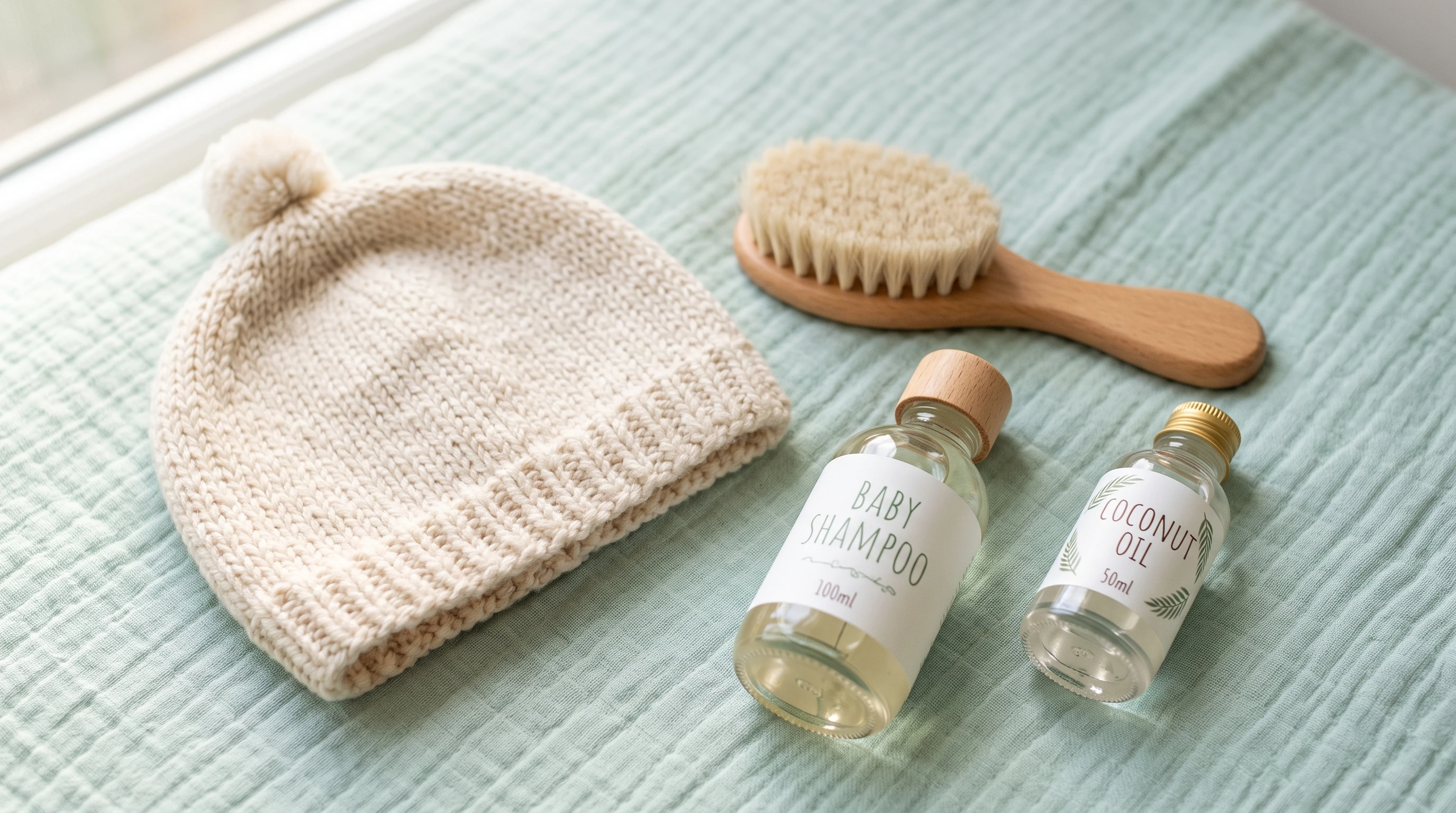
- Gentle Washing: I usually tell parents to wash the baby’s scalp every day or two with a mild baby shampoo. Lather gently and rinse thoroughly.
- Soft Brushing: After shampooing, use a soft baby brush or finetoothed comb to gently loosen and lift off the flakes. Always be gentle to avoid irritating the skin.
- Moisturizing: If the scalp looks dry, a small amount of baby oil, coconut oil, or petroleum jelly massaged in before shampooing sometimes helps. Just be sure to wash any oil out thoroughly, so it doesn’t worsen the build-up.
Most parents notice improvement after a week or two with these simple routines. Avoid picking or scratching at the patches, since this can cause redness or even a mild infection.
Another good tip is to use lukewarm water during bath time, which is less likely to dry out or irritate the skin. Make sure all shampoo is rinsed away, as residue can sometimes make cradle cap look more obvious or cause irritation. Always pat the scalp dry gently with a towel after washing rather than rubbing.
How Long Does Cradle Cap Last?
Cradle cap usually starts within the first few weeks or months of life and often clears up by 6 to 12 months old. In some cases, mild flakes can come and go for a little longer. Even if it sticks around a bit, cradle cap is rarely a long term thing and doesn’t cause lasting problems for the baby.
I’ve seen some babies with cradle cap that only lasted a few weeks, while others have more stubborn scales for a few months. Either way, as long as there are no signs of irritation or infection, it’s not a big deal and will eventually clear up. Sometimes, the flakes may come back after they have disappeared, but they usually fade over time. As your baby’s oil glands mature and their skin grows thicker, cradle cap tends to fade for good.
Are There Any Warning Signs or Complications?
Cradle cap without other symptoms is nothing to stress about. Still, I always remind parents to keep an eye out for changes that aren’t typical for cradle cap, such as:
- Red, swollen, or warm areas. These might mean infection.
- Cracks or oozing. Signs the skin barrier is broken and bacteria could sneak in.
- Rash spreading quickly to the face, body, or diaper zone.
- Your baby seems bothered, such as scratching, acting fussy, or trouble sleeping.
These warning signs suggest it’s time to get a professional opinion. Occasionally, a more stubborn or severe skin issue like eczema or a fungal infection can look like cradle cap and deserves extra care. If you notice any of these changes, a quick call to your baby’s doctor is best to keep things from getting worse.
When Should Parents Call the Pediatrician?
Though cradle cap can be handled at home most of the time, some situations mean a quick check-in with the pediatrician is a good idea:
- The cradle cap looks really red, swollen, or is spreading fast.
- You see pus or clear fluid leaking from the patches.
- The rash isn’t improving after a few weeks of at-home care.
- The baby seems uncomfortable or is scratching the area a lot.
- The rash develops in other areas or looks different from usual cradle cap.
Pediatricians see cradle cap so often that they’ll probably recognize it right away and can recommend stronger treatments (like a medicated shampoo or a mild steroid cream) if necessary. Most cases don’t need prescriptions, but it’s always better to check if something feels off.
If the baby has a fever, stops feeding well, or seems particularly irritable, don’t hesitate to reach out to your doctor. While these signs are rarely linked directly to cradle cap, they could indicate another problem that deserves quick attention.
Should the Scalp Be Covered or Uncovered?
I get this question a lot, especially from folks living in colder places. The good news is there’s no need to keep a hat on or off specifically because of cradle cap. Hats don’t cause it and won’t make it go away faster. I suggest leaving the scalp uncovered as much as possible so the skin can “breathe,” but it’s totally fine to use soft hats for warmth when needed.
If using a hat, make sure it’s made from breathable, non-scratchy fabric and avoid anything that might rub harshly against those sensitive patches. In warm weather, it’s best to keep the baby’s head uncovered to prevent sweating, which might make flakes look more obvious or the skin more irritated. In cold weather, brief use of a soft, loose hat is completely fine—and won’t make cradle cap worse.
Are There Special Treatments for Cradle Cap?
Most babies do just fine with basic care, but sometimes, a doctor will recommend a special shampoo or cream:
- Medicated shampoos: Over the counter versions, like those containing pyrithione zinc or selenium sulfide, can be used once or twice a week, but only if your doctor gives the okay. Rinse thoroughly, since these can sting if left on.
- Lowdose steroid creams: Sometimes, doctors will prescribe a mild hydrocortisone cream if the skin is really red or irritated.
- Anti-fungal creams: Occasionally, if there’s a lot of yeast growth, a prescription for an anti-fungal cream (like ketoconazole) might be given.
Don’t try any new medications or stronger treatments without talking with a doctor first. Home remedies like tea tree oil or vinegar can irritate baby skin, so I suggest skipping those altogether. Your pediatrician can help you pick the safest solution for your little one if cradle cap just won’t budge.
Common Myths and Other Concerns
It’s really easy to get tripped up by things folks hear about cradle cap from family or the internet. Here are a few things to keep in mind:
- Cradle cap isn’t caused by bad hygiene or allergies.
- It’s not contagious.
- Frequent hair washing doesn’t prevent or cause it; gentle is the way to go.
- Most babies outgrow it quickly and don’t have any lasting issues with their skin or hair.
It’s also worth knowing that parents sometimes worry about scarring or permanent hair loss. Rest assured, once cradle cap clears up, babies’ scalps heal beautifully, and hair regrows just as before. There’s no need to use special oils or lotions unless recommended by your pediatrician.
Frequently Asked Questions About Cradle Cap
Does cradle cap hurt the baby?
Cradle cap doesn’t bother most babies at all. It usually isn’t itchy or painful and is mostly a cosmetic concern for parents.
Will cradle cap cause hair loss?
Sometimes, a small amount of hair might come out with the flakes, but this is just temporary. The hair grows back normally once the scalp clears.
Can I use regular dandruff shampoo on my infant?
I don’t recommend it unless the pediatrician says it’s okay, since some ingredients aren’t safe for young babies.
Should I avoid touching or brushing the affected area?
Gentle brushing after shampooing is safe and can help remove loose scales. Just avoid picking or forcing flakes off.
Helpful Tips for Parents
- Stay gentle; harsh scrubbing can make things more irritated.
- Stick with mild products made for babies.
- Don’t stress about washing extra. Focus on being gentle.
- Patience usually pays off; most cradle cap clears up with time.
If you’re worried about how your baby’s scalp looks or how quickly those flakes are going away, talk to your pediatrician. Sometimes a little reassurance can make the wait much easier. Trying to rush the process with harsh treatments or remedies from the internet usually causes more harm than good—trust the natural healing that comes with your baby’s growth.
Cradle cap sure looks odd, but it’s usually nothing to worry about. Gentle care, patience, and a bit of time will help your baby’s scalp look like new again before you know it. Remember, every baby is different, and cradle cap is just another tiny part of the wild and wonderful adventure of early childhood.