Engorged breasts can be one of those surprises that catch many nursing moms off guard. Despite all the info out there about breastfeeding, this is a topic that still brings up questions (and sometimes a lot of discomfort). I’ve been there myself, and I can tell you the whole situation can feel overwhelming, especially if you’re not sure what’s going on or how to fix it. So, I’ve gathered all the practical info on what causes engorged breasts, when it’s most common, how it really feels, how you can prevent it, and the best ways to get relief fast.
What Causes Engorged Breasts?
Breast engorgement happens when your breasts are overly full of milk, blood, and fluids. It usually crops up because your body is still figuring out how much milk to make based on your baby’s feeding needs. In those early postpartum days, your milk comes in pretty quickly and sometimes your breasts end up making more than your baby can drink. When milk, blood, and other fluids build up, your breasts feel firm, swollen, and sometimes really sore.
The main triggers for engorgement include:
- Milk Coming In: This often starts around day 2-5 after giving birth. Your body suddenly ramps up milk production and hasn’t yet adjusted to your baby’s appetite.
- Missed Feedings or Pumping Sessions: Pumping less or skipping a feed can quickly make breasts fill up more than usual.
- Poor Latch or Shallow Suck: If your baby isn’t latching well (maybe due to tongue-tie or sleepiness), they’re not draining your breasts fully. This leftover milk leads to engorgement.
- Sudden Changes in Feeding: Skipping a night feeding, returning to work, or just altering your routine can throw your body off and cause a backlog.
- Weaning Too Quickly: Dropping feeds fast doesn’t give your milk supply a chance to slow down gradually, so you end up with too much milk and not enough removal.
Breast engorgement isn’t just about milk; your body boosts blood flow and holds extra fluid in your breast tissue during this stage, which makes everything feel even tighter.
When Is Engorgement Most Likely to Happen?
The most common window for engorgement is within the first week after birth, around the time your mature milk comes in. Some moms notice their breasts are super soft right after delivery, but by day 3-5, things can change fast. Besides the early days, you might also feel engorged when:
- You first start pumping or breastfeeding less often (like returning to work)
- Your baby starts sleeping longer stretches at night
- You’re trying to wean or drop a regular feeding
- You or your baby are sick and feeds get skipped
Knowing these timing clues helps moms know what to expect, and knowing what’s normal takes some stress out of the experience. Interestingly, some moms only feel mild pressure, while others find it nearly impossible to get comfortable without quickly nursing or pumping. The good news? Most often, engorgement fades as your feeding routine settles in naturally.
How Painful Is Engorgement?
Everyone experiences breast engorgement differently. For some, it’s just a little tightness. Others might notice their breasts feel rock hard, heavy, hot, or super sensitive to touch. Sometimes the pain is concentrated around the milk ducts or even radiates into the armpit. Putting on a bra or shirt can even sting a bit if things are really uncomfortable.
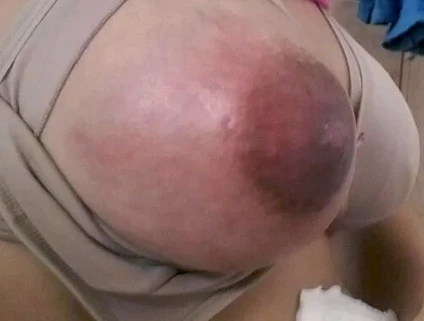
Pain usually eases as you nurse, pump, or hand express milk. For most, the soreness improves within a few hours of milk removal, but if the breasts stay too full for too long, things might get more intense. Some moms even notice their breasts look shiny, red, or a little swollen, which is definitely not much fun at all.
My breasts were only engorged a couple of times through the whole nursing saga. Both times were when I tried to wean our son. He was almost 2 years old and was quickly losing interest. He enjoyed eating and drinking from a cup and feeding sessions were shorter and shorter, and he was easily distracted.
Engorgement happened really fast, and my breasts got rock hard! It was extremely painful! It was even more painful to try and pump or nurse. Tears literally ran down my cheeks as I forced myself to deal with the situation. Unfortunately, when it gets to that point, you have to act, no matter how painful.
It’s easy to downplay discomfort at first, but if you find that day-to-day activities are affected, it’s important to take action early before things progress. The sooner you respond, the faster you’ll feel better overall, and the less chance there’ll be for complications down the line.
How to Recognize Engorgement: Symptoms and Warning Signs
Spotting engorgement before it gets to the point of feeling miserable is pretty handy. Here are the early signs to watch for:
- Breasts are noticeably fuller, firmer, or heavier than usual
- Breasts get shiny or skin feels tight
- Pain, tenderness, or sensitivity—sometimes even feeling warm to the touch
- Flattened or stretched areolas, with nipples that are harder for baby to latch onto
- Engorgement can give you a low-grade fever (anything under 101°F/38.5°C usually isn’t a concern, but keep an eye on it)
- Reddened areas on the breast if it goes on too long
 Babies might also get fussy or have trouble latching because the breasts are so firm. Early action can help avoid the slippery slope to clogged ducts or even mastitis (an infection that brings fever and more pain).
How Long Does Breast Engorgement Last?
Engorgement usually shows up in the first few days after your milk arrives and can last a few days until your feeding schedule settles down. If your baby is breastfeeding regularly and your breasts are being emptied often enough, things get better pretty quickly—usually within 24 to 48 hours. If you’re weaning, it may linger a bit longer but does fade as your body adjusts to not making as much milk.
Persistent, painful, or onesided swelling that doesn’t go away is worth checking out with your healthcare provider. Lingering engorgement could mean a blocked duct or early mastitis that needs attention. Be sure to track any major changes in appearance or ongoing discomfort. Trust your instincts and don’t hesitate to reach out to an expert if things seem off.
Easy Ways to Prevent and Relieve Engorged Breasts
Prevention is the best way to keep engorgement from becoming a regular headache. Here’s what’s worked for me and plenty of other moms:
- Feed your baby on demand—even if it feels constant, especially in the first few weeks
- Make sure your baby has a deep, comfy latch so milk flows more easily
- Switch breasts regularly during feeds (every 10–20 minutes)
- If baby skips a feed, consider using a breast pump or hand expression to relieve fullness
- Avoid tight bras or clothing that might block milk ducts
- Ease into longer stretches between feeds or pumping sessions gradually, rather than all at once
If you already feel like your breasts are turning into milk balloons, these tricks work fast:
- Nurse, Pump, or Express: The fastest relief is to get milk out, either by nursing, pumping, or hand expressing. Don’t overdo it, though, to avoid telling your body to keep making lots of milk.
- Warm Compress: Applying a warm, damp cloth or taking a warm shower helps milk start flowing before baby latches or before pumping.
- Cold Packs After Feeds: Using a cool pack or chilled cabbage leaves after nursing can soothe swollen, sore tissue.
- Gentle Massage: Massaging any hard or full spots toward the nipple during feeds can help clear things out.
- Reverse Pressure Softening: Gently pressing around the areola with your fingertips can move some fluid back, making latching easier if your nipples are too firm.
- Pain Relief: Over-the-counter pain relievers like acetaminophen or ibuprofen are usually safe for nursing moms (double-check with your provider if needed).
Maintaining a consistent breastfeeding routine and taking a pro-active approach can help ease discomfort before it becomes overwhelming. Some moms also use a combination of these tips to find what works best for their body and their baby’s unique needs.
Extra Tips for Relief If You’re Still Struggling
- Change up your nursing positions, like laidback, sidelying, or football hold, to help drain different areas of the breast.
- Use breast shells (not shields) between feeds for major pressure relief.
- If you’re super engorged and baby struggles to latch, hand express just a little first to soften the nipple and areola.
Sometimes, a lactation consultant can be a huge help with latch, timing, or more specialized tricks. Their personalized support can help you make small adjustments that make a big difference in comfort and confidence. If you’re feeling stuck, don’t wait to ask for guidance—many consultants offer virtual advice if an in-person appointment isn’t possible. You can also reach out to the LaLeche League for breastfeeding advice and problems you may be experiencing.
What Happens If Engorgement Isn’t Treated?
When breast engorgement drags on, things can go from annoying to more serious. Overfull breasts can put pressure on your milk ducts, leading to clogs or plugs. This can cause hard lumps that don’t go away and more pain. In some cases, milk trapped behind a blockage can become a perfect place for bacteria to start multiplying. The result? Mastitis, with symptoms like high fever, chills, redness, and sore, angry breasts.
While mastitis is treatable, it’s way easier to avoid it by dealing with engorgement early. Fast action gives quick relief and helps sidestep bigger issues down the road. Some additional risks with untreated engorgement include a drop in milk supply or decreased milk flow over time, so staying on top of symptoms benefits both mom and baby in the long run.
Real-Life Experiences: What Engorgement Feels Like
Many moms describe their first run-in with engorgement as pretty uncomfortable. It sometimes surprises even those who expected some soreness from breastfeeding. One mom shared that she woke up with breasts that felt so full they could burst, making it tough to even move her arms. Another mom said the skin on her breasts was stretched tight, and putting on a bra was almost unbearable until she nursed her baby and finally got some relief. Be prepared. When you first try to nurse, it is going to hurt like nothing you have ever experienced. But, the pain is necessary to get relief. I remember crying because the pain was so bad.
For a lot of people, the best trick is keeping things as regular as possible during the first couple weeks and not waiting for soreness to creep in before doing something about it. Support from other nursing moms or support groups can also make the experience feel less isolating. Remember, every baby’s feeding patterns are different, so your experience and timeline may vary—even compared to friends or family.
Best Products and Techniques for Preventing and Soothing Engorged Breasts
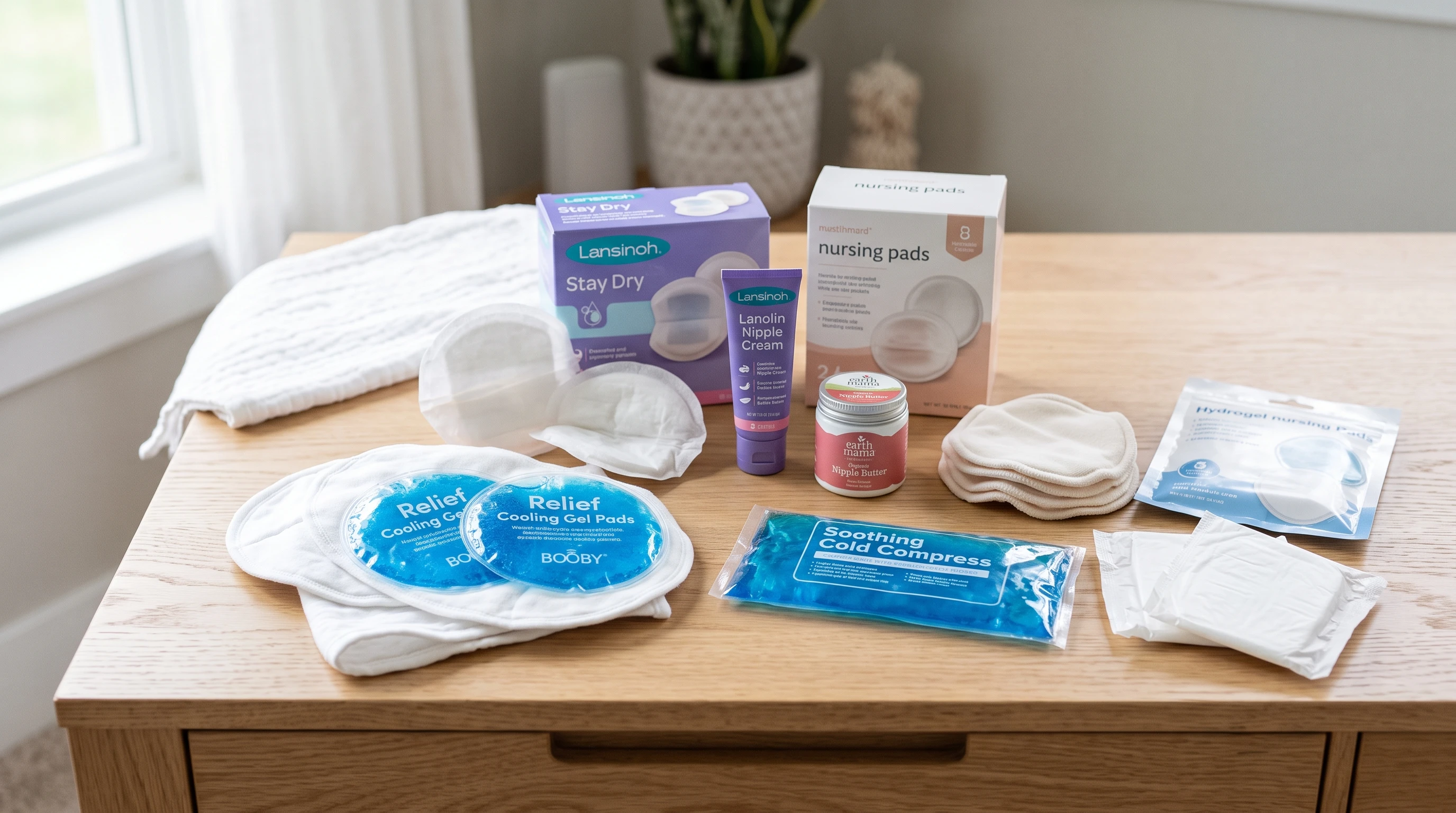
- Hydrogel Pads: Soothing and reusable, these pads are easy to keep cold and slip into the bra after feeds for a cool, painrelieving touch.
- Cabbage Leaves: A classic and natural trick—just wash and chill a leaf or two in the fridge and tuck inside your bra for 20 minutes after nursing.
- Soft, Flexible Ice Packs: Lots of brands make breastshaped packs designed specifically for sore, swollen breasts.
- Nursing Bras with a Stretchy Fit: Soft and stretchy bras avoid extra pressure and rubbing that can make discomfort worse.
If you don’t have special products, a clean wet washcloth in the freezer or fridge works great for a quick DIY cold compress. Sometimes using a cool gel pack at the same time as gentle breast massage increases comfort and helps milk move out more effectively.
Key Differences: Engorgement, Blocked Duct, and Mastitis
It’s easy to confuse breast engorgement with a clogged duct or even mastitis, but they’re totally different. Here’s a cheat sheet:
- Engorgement: Both breasts feel full or hard, usually right after your milk comes in or following a feeding change. Skin looks shiny, and pain is more generalized.
- Blocked Duct: One section of one breast is hard, sore, maybe a little lumpy, and there’s no fever. Often caused by tight spots where milk still flows, but not well.
- Mastitis: Usually starts as a sore spot (like a blocked duct), is accompanied by a high fever and flulike symptoms, and the breast area might look red or feel hot.
Knowing what’s what helps you pick the right treatment. If your symptoms don’t improve quickly, it’s worth reaching out to your doctor or lactation consultant just to be safe. Early identification means you can use the right remedy and bounce back faster for better breastfeeding comfort.
Frequently Asked Questions
Question: Is it okay to pump to relieve engorgement?
Answer: Pumping or hand expression can be a smart way to remove some milk and ease discomfort. Just avoid pumping too much if you’re not planning to keep up that extra removal, or you might signal your body to keep overproducing.
Question: What if my baby has trouble latching during engorgement?
Answer: If your breast and nipple are too firm for baby to latch onto, try hand expressing a small amount first. This softens up the area, making it easier for your baby to get a good grip.
Question: Should I avoid breastfeeding if my breasts are engorged and sore?
Answer: Nope, in fact, frequent breastfeeding is exactly what helps ease engorgement. It might not feel great in the moment, but skipping feeds only makes things worse later on.
Question: Can wearing a tight bra cause engorgement?
Answer: Tight bras or anything pressing on the breast tissue can sometimes block milk flow and contribute to engorgement or plugged ducts. Stick with soft, stretchy, supportive bras instead.
Question: When should I see a doctor for breast engorgement?
Answer: If you have a fever above 101°F/38.5°C, chills, or if your breast pain, redness, or swelling doesn’t improve after a day or two, give your doctor a call. Also, if your baby isn’t feeding well at all or you feel really sick, check in as soon as possible.
Quick Reference Guide: Fast Relief Steps
- Nurse or pump as soon as breasts feel overly full
- Use gentle warmth before a feed, cold packs afterward
- Massage breasts to help move milk toward the nipple
- Soften the areola if it’s too tight for the baby to latch
- Switch nursing positions to help with drainage
- Check latching and feeding patterns regularly
Remember, you’re definitely not alone in dealing with this. Moms worldwide face engorgement at some point, and quick attention can keep it as a brief bump in the road. Staying pro-active with regular feeding, gentle care, and a little patience makes all the difference. If things don’t improve, don’t hesitate to ask for help; sometimes a quick chat with a lactation expert makes a world of difference.
Lastly, while engorgement can make the early weeks of breastfeeding feel like a roller coaster, with the right know how and speedy tricks, you’ll bounce back in no time. Keep following your instincts and give yourself credit for navigating all the ups and downs of breastfeeding. Support is out there, so never feel shy about reaching out if you need a little extra reassurance or help along the way.